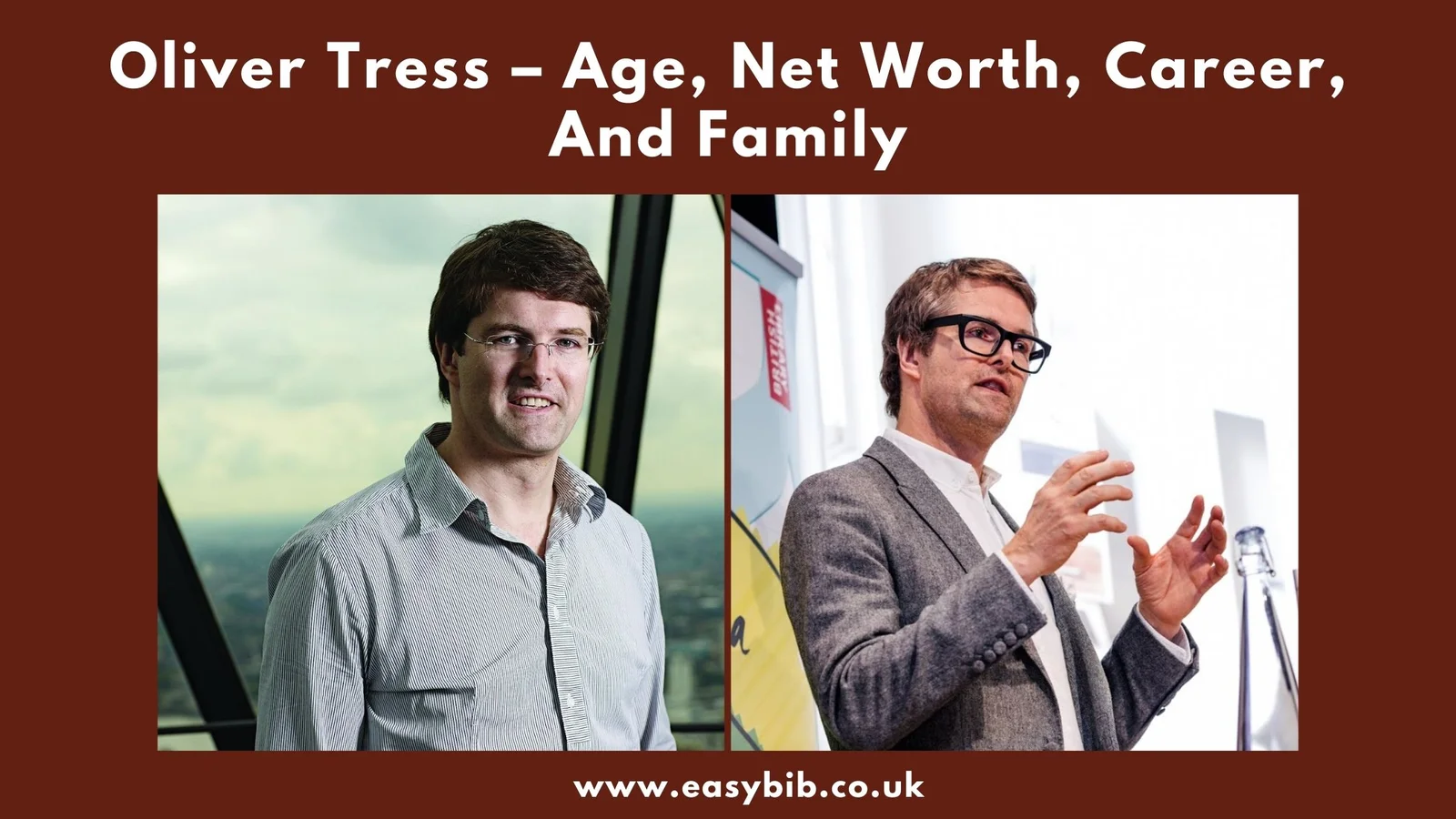
Introduction to Oliver Tress
Oliver Tress is a name that has become increasingly influential in the world of British retail, lifestyle branding, and ethical entrepreneurship. Best known as the founder of Oliver Bonas, he has built a distinctive brand that blends fashion, homeware, design, and conscious business practices into a cohesive retail experience. While many entrepreneurs chase trends or short-term profits, Oliver Tress has taken a slower, more thoughtful approach—one that emphasizes creativity, sustainability, and long-term cultural relevance.
What makes Oliver Tess particularly interesting is that his journey didn’t start with massive funding, celebrity backing, or instant success. Instead, it began with a single stall selling trousers, driven by curiosity, design sensibility, and a willingness to learn from mistakes. Over time, that modest beginning evolved into a nationally recognized brand with dozens of stores across the UK and a strong digital presence.
This article takes a deep dive into Olivr Tress’s life, mindset, and business philosophy. From his early years and inspirations to the growth of Oliver Bonas and his impact on modern retail, this is a comprehensive exploration written in a casual yet expert tone. Whether you’re an aspiring entrepreneur, a retail enthusiast, or simply curious about the person behind the brand, this guide offers meaningful insight into Oliver Tress’s story.
Early Life and Background: The Foundations of a Creative Mind
Oliver Tress was born into a background that quietly encouraged curiosity and independence. While he didn’t grow up in a family of high-profile entrepreneurs, he was exposed early on to ideas around creativity, craftsmanship, and global culture. These early influences played a significant role in shaping how he later approached design and business.
His education further expanded his worldview. Oliver studied anthropology, a field that emphasizes understanding cultures, behaviors, and human interaction. This choice alone says a lot about his mindset. Anthropology trains people to observe how individuals relate to objects, spaces, and each other—skills that later proved invaluable in retail and brand-building. Rather than focusing purely on economics or management, he learned how people think, live, and express themselves.
During his formative years, Oliver also spent time traveling. Exposure to different countries, markets, and artistic traditions helped him develop a broader perspective on style and consumer behavior. These experiences weren’t just inspirational; they informed his belief that everyday objects—clothes, furniture, accessories—carry emotional and cultural meaning.
Looking back, it’s clear that Olive Tress’s early life laid a strong intellectual and creative foundation. He wasn’t chasing success blindly. He was learning how people live and what makes design meaningful, long before he ever opened a store.
The Birth of Oliver Bonas: From Market Stall to Brand Concept
The story of Oliver Bonas famously begins with a market stall. In 1993, Oliver Tress started selling colorful trousers at London’s Portobello Road Market. The brand name itself comes from a combination of his own name and that of his then-girlfriend, giving it a personal and human touch from the start.
At this early stage, the business was simple and experimental. Oliver wasn’t working with a grand business plan or corporate structure. Instead, he was learning directly from customers—what they liked, what they tried on, what they ignored, and what made them smile. This direct feedback loop helped him refine both product and approach.
As demand grew, Oliver realized that the brand could be more than clothing. He began introducing accessories, jewelry, and eventually homeware. This expansion wasn’t random; it reflected his belief that people want cohesive lifestyles, not isolated products. Customers who liked the clothes also appreciated the aesthetic of the objects that surrounded them.
The transition from stall to store was gradual but deliberate. The first physical shops retained the warmth and individuality of the market experience while offering a more curated environment. This balance between accessibility and design became a defining feature of Oliver Bonas as a brand.
In many ways, the early success of Oliver Bonas came down to Oliver Tress’s ability to listen. He paid attention not just to sales figures, but to human behavior—how people browse, how they react to colors, and how they emotionally connect with products.
Design Philosophy: Where Creativity Meets Practicality
Oliver Tress’s design philosophy is one of the core reasons Oliver Bonas stands out in a crowded retail market. Rather than following rigid trends, the brand focuses on originality, functionality, and emotional appeal. This approach reflects Oliver’s belief that good design should feel personal and lived-in, not intimidating or overly polished.
Color plays a major role in the brand’s identity. Oliver Bonas stores are known for their vibrant palettes, playful patterns, and bold combinations. This isn’t accidental. Oliver has often emphasized that color influences mood and experience, especially in everyday spaces like homes and workplaces.
Another key element is accessibility. While the designs are distinctive, they are not exclusive or elitist. Oliver Tress has consistently aimed to create products that feel special without being unattainable. This balance allows customers to express individuality without feeling priced out or overwhelmed.
Importantly, the design process at Oliver Bonas is largely in-house. This allows for tighter quality control and creative freedom. Oliver has spoken about the importance of nurturing internal talent and giving designers room to experiment. By doing so, the brand maintains consistency while still evolving.
Ultimately, Olier Tress’s design philosophy is rooted in empathy. It’s about understanding how people actually live—messy, colorful, imperfect lives—and creating products that fit naturally into those realities.
Business Strategy and Growth: Scaling Without Losing Identity
Scaling a brand often comes with risks, especially the risk of losing what made it special in the first place. Oliver Tress has been notably cautious about growth, choosing sustainability and stability over rapid expansion. This mindset has helped Oliver Bonas retain its identity even as it has grown into a national retailer.
One of Oliver’s key strategies has been controlled store expansion. Rather than opening as many locations as possible, the company focuses on finding the right locations that align with the brand’s values and customer base. Each store is designed to feel unique while still clearly belonging to the Oliver Bonas family.
Digital growth has also played a role, but again, with intention. The online store complements physical retail rather than replacing it. Oliver understands that many customers value the tactile experience of shopping—touching fabrics, seeing colors in person, and browsing without pressure.
Internally, Oliver Tress places a strong emphasis on company culture. Employees are encouraged to be creative, curious, and engaged. This focus on people—not just profit—has contributed to lower turnover and stronger brand loyalty, both internally and externally.
By prioritizing long-term vision over short-term gains, Oliver Trss has shown that it’s possible to grow a business without sacrificing integrity or creativity.
Ethical Values and Sustainability: A Conscious Approach to Retail
In recent years, Oliver Tress has become increasingly vocal about ethical responsibility and sustainability. Long before these topics became mainstream marketing buzzwords, Oliver Bonas had already begun taking steps toward more responsible business practices.
The brand places importance on ethical sourcing, working with suppliers who adhere to fair labor standards. Transparency in the supply chain is a growing focus, and while challenges remain, Olive Tress has been open about the complexities involved in making meaningful change.
Sustainability also extends to materials and packaging. The company has invested in reducing plastic use, improving recyclability, and sourcing materials more responsibly. These decisions often come with higher costs, but Oliver views them as necessary investments rather than optional extras.
Another important aspect is community impact. Oliver Bonas supports charitable initiatives and encourages staff involvement in social causes. This reinforces the idea that a business can—and should—contribute positively beyond its immediate commercial goals.
For Oliver Tress, ethics aren’t about perfection. They’re about progress, accountability, and a willingness to evolve as understanding deepens.
Leadership Style: Quiet Confidence and Thoughtful Decision-Making
Oliver Tress is not the stereotypical loud, headline-seeking entrepreneur. His leadership style is understated, reflective, and grounded in listening. This approach has shaped the internal culture of Oliver Bonas and influenced how decisions are made at every level.
Rather than micromanaging, Oliver tends to empower teams and trust specialists in their respective fields. He believes that good ideas can come from anywhere within an organization, not just from the top. This openness encourages innovation and ownership among employees.
Decision-making is often deliberate rather than reactive. Oliver is known for taking time to consider long-term implications, even when faced with pressure to act quickly. This patience has helped the brand navigate economic uncertainty and shifting consumer behavior.
Communication is another key element. Oliver values transparency and clarity, especially during challenging periods. By keeping teams informed and involved, he fosters trust and resilience.
In many ways, Oliver Tress’s leadership reflects his background in anthropology: observe first, understand context, and act with intention.
Challenges and Lessons Learned Along the Way
No entrepreneurial journey is without setbacks, and Oliver Tress’s story is no exception. From economic downturns to operational growing pains, Oliver Bonas has faced its share of challenges over the decades.
One recurring challenge has been balancing creativity with commercial reality. Not every design is a bestseller, and not every experiment succeeds. Oliver has acknowledged that learning what doesn’t work is just as important as celebrating what does.
Another major challenge has been navigating retail disruption, particularly the rise of fast fashion and online-only competitors. Rather than competing on speed or price, Oliver chose to focus on quality, experience, and brand connection.
The COVID-19 pandemic presented perhaps the greatest test. Temporary store closures and uncertainty forced rapid adaptation. However, the company’s strong culture and cautious financial management helped it weather the storm.
Through these experiences, Oliver Tress has demonstrated resilience, adaptability, and humility—qualities that continue to inform his approach to business.
Oliver Tress’s Influence on Modern British Retail
Oliver Tress has had a lasting impact on how lifestyle brands operate in the UK. He has shown that it’s possible to build a successful retail business that values design, ethics, and people equally.
Many newer brands have taken inspiration from the Oliver Bonas model: in-house design, strong visual identity, ethical awareness, and experiential retail spaces. In this sense, Oliver’s influence extends far beyond his own company.
He has also helped redefine what success looks like in retail. Instead of chasing global domination, he has focused on creating a brand that feels authentic, sustainable, and emotionally resonant.
As consumer expectations continue to evolve, Olier Tress’s approach feels increasingly relevant. His emphasis on human connection, thoughtful design, and responsible growth offers a blueprint for the future of retail.
Conclusion:
Oliver Tress is more than just the founder of a popular lifestyle brand. He represents a different kind of entrepreneurship—one that values curiosity over ego, sustainability over speed, and people over pure profit.
His journey from a market stall to a nationally respected brand is a reminder that success doesn’t have to be loud or rushed. It can be thoughtful, creative, and deeply human. By staying true to his values and trusting his instincts, Oliver has built something that resonates with customers and employees alike.