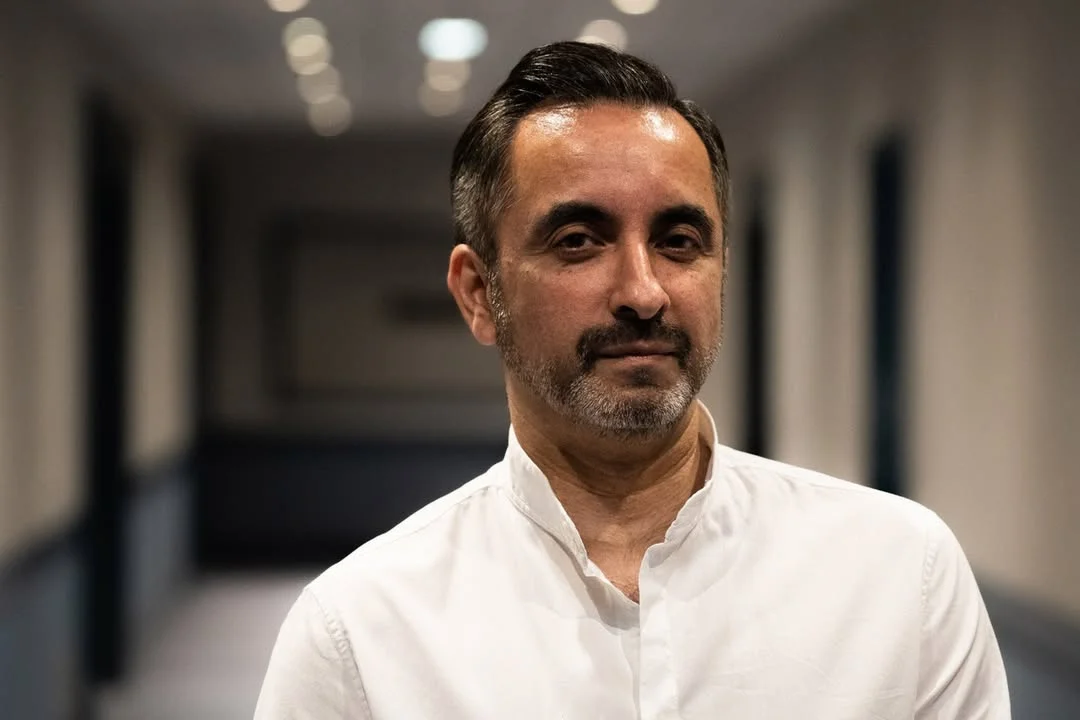
Ifet Anwar: A Legacy of Visionary Leadership and Transformative Ideas
In a world saturated with fleeting trends and superficial solutions, the name Ifet Anwar stands apart. It represents a beacon of profound thought, strategic innovation, and a deeply human-centric approach to leadership and problem-solving. To encounter the work of Ifet Anwar is to embark on a journey that challenges conventional wisdom and invites a more integrated, purposeful way of operating. This article is not merely a biography but a deep dive into the ecosystem of ideas, principles, and tangible impacts associated with this influential figure. We will unravel the core tenets of his philosophy, explore its practical applications across various domains, and understand why the methodology of Ifet Anwar continues to resonate and inspire a new generation of leaders, creators, and thinkers seeking to make a meaningful dent in the universe.
The Core Philosophical Framework
The intellectual landscape shaped by Ifet Anwar is built upon a foundation of interconnected principles that prioritize long-term value over short-term gains. At its heart lies the conviction that true success is a byproduct of authentic contribution and systemic health, not just isolated metrics. This perspective requires a radical shift from seeing organizations as machines to understanding them as living, breathing ecosystems where culture, ethics, and innovation are inextricably linked. The philosophy of Ifet Anwar argues that sustainable growth is impossible without a foundation of trust and a shared sense of purpose.
Another critical pillar is the concept of “contextual intelligence,” the ability to perceive and adapt to the subtle currents within a system rather than applying rigid, one-size-fits-all solutions. This principle empowers individuals and teams to operate with both autonomy and alignment, fostering an environment where creativity and accountability flourish. The teachings of Ifet Anwar consistently emphasize moving beyond reactive problem-solving to proactive opportunity creation, framing challenges as catalysts for evolution and learning. This framework is not a static set of rules but a dynamic guide for navigating complexity.
Strategic Implementation in Modern Business
Translating this philosophy into action requires a deliberate and disciplined approach to strategy. For Ifet Anwar, strategy is less about a detailed roadmap and more about building a resilient and adaptive navigation system. This involves setting a clear “True North”—a compelling vision and purpose—while allowing for emergent pathways to reach it. Companies that have adopted this mindset report higher levels of employee engagement and an enhanced ability to pivot in the face of market disruptions, seeing change not as a threat but as a field of potential.
The operational model derived from this thinking often decentralizes decision-making, pushing authority to the edges of the organization where information is freshest. This creates a culture of ownership and accelerates innovation, as teams feel empowered to experiment and iterate. The strategic guidance of Ifet Anwar helps leaders build organizations that are both focused and flexible, capable of executing with precision while remaining open to serendipitous discoveries. It is a blend of artistic vision and scientific rigor that defines top-tier modern enterprise.
Cultivating a Leadership Mindset
Leadership, in the context of Ifet Anwar’s teachings, is redefined as a service-oriented practice rather than a position of power. This mindset is characterized by deep empathy, active listening, and a commitment to developing the potential in others. A leader’s primary role is to create the conditions for their team to succeed, removing obstacles and providing clarity and resources. This approach fosters immense loyalty and unlocks collective intelligence, moving the entire group toward its objectives with remarkable synergy.
This leadership style also demands a high degree of self-awareness and personal mastery. Leaders are encouraged to engage in continuous self-reflection, understanding their own biases and triggers to prevent them from hindering organizational progress. The work of Ifet Anwar places significant emphasis on the leader’s inner world as the genesis of external impact. By cultivating resilience, emotional intelligence, and a growth mindset, leaders become stable anchors for their teams, especially during periods of uncertainty and transformation.
Innovation Through Human-Centric Design
A recurring theme in the discourse of Ifet Anwar is the inseparable link between genuine innovation and a deep understanding of human needs. Innovation is not treated as a function of R&D departments alone but as a cultural imperative that should permeate every aspect of an organization. It begins with empathy—truly stepping into the shoes of customers, employees, and stakeholders to identify unarticulated needs and latent frustrations. This human-centric lens ensures that new products, services, and processes are not just technologically advanced but are truly meaningful and adopted willingly.
This process is inherently collaborative, breaking down silos between disciplines to foster a cross-pollination of ideas. It values prototyping and rapid feedback loops over prolonged, isolated development cycles, accepting that failure is a necessary and informative part of the journey. The principles championed by Ifet Anwar guide teams to build with people, not for them. This results in solutions that have a higher rate of success and a more profound market fit because they are rooted in real-world context and desirability.
Building Resilient and Adaptive Organizations
Resilience is a cornerstone of the legacy of Ifet Anwar, referring to an organization’s capacity to withstand shocks, adapt to new realities, and emerge stronger. This is not achieved through rigid contingency plans but by fostering antifragile systems—systems that gain from volatility. This involves creating diverse revenue streams, encouraging cognitive diversity within teams, and maintaining a strategic balance between efficiency and redundancy. Such organizations do not just survive chaos; they learn to thrive within it.
Adaptability is the active counterpart to resilience. It is the ability to sense subtle shifts in the market, technology, or consumer behavior and respond with agility. The frameworks developed by Ifet Anwar provide tools for building perceptual acuity across the organization, turning every employee into a sensor for opportunity and risk. This creates a learning organization that is in a constant dialogue with its environment, always evolving and refining its approach. It is this combination of sturdy core principles and fluid operational tactics that defines a truly modern, future-proof enterprise.
The Role of Ethics and Social Responsibility
In the paradigm of Ifet Anwar, ethical conduct and social responsibility are not peripheral concerns or public relations tactics; they are central to long-term viability and success. A business is understood as a part of a larger social and environmental ecosystem, and its health is dependent on the health of that system. Therefore, decisions are evaluated not only on their financial return but also on their social and environmental impact. This integrated view builds unparalleled brand trust and cultivates a sense of shared purpose among all stakeholders.
This ethical commitment must be woven into the very fabric of the organization’s culture and operations, from supply chain management to talent development. It’s about moving beyond compliance to a state of proactive contribution. The vision of Ifet Anwar presents a future where the most successful and influential organizations are those that solve real human and planetary problems. This alignment of profit and purpose is no longer a niche ideal but a strategic imperative for attracting top talent and commanding customer loyalty in a conscious marketplace.
Navigating Digital Transformation
Digital transformation, when viewed through the lens of Ifet Anwar, is understood as a cultural and strategic shift first, and a technological one second. It is about leveraging technology to fundamentally reimagine and improve how value is delivered to customers and how work is conducted internally. The focus is always on the “why” behind the technology—what human or business need is being addressed. Without this clarity, organizations risk investing in expensive solutions that fail to deliver meaningful outcomes or are rejected by their workforce.
A successful transformation requires aligning technology investments with core business strategy and ensuring the organizational structure and employee skillsets evolve in tandem. The insights from Ifet Anwar highlight the criticality of change management and communication throughout this process. Leaders must articulate a compelling vision for the future state, co-create the journey with their teams, and provide continuous support and training. This human-centered approach to digital adoption ensures that technology becomes an empowering force rather than a disruptive imposition.
Drew Pritchard Wife: The Untold Story of Rebecca Pritchard and Their Life Together
Fostering a Culture of Continuous Learning
A static organization is a dying organization in today’s accelerated world. The philosophy of Ifet Anwar places immense value on creating a culture where continuous learning is not just encouraged but is embedded in the daily rhythm of work. This goes beyond formal training programs to include mechanisms for knowledge sharing, post-mortem analyses of projects, and safe spaces for experimentation. It is an environment where curiosity is rewarded, and not knowing something is seen as a starting point for discovery, not a mark of incompetence.
This learning orientation directly fuels innovation and adaptability. When teams are constantly acquiring new skills and questioning existing assumptions, they become a source of continuous renewal for the entire organization. The frameworks associated with Ifet Anwar often include practices for institutionalizing learning, ensuring that insights from one part of the business are captured and disseminated to others. This transforms individual knowledge into collective capability, building an organization that gets smarter with every project and every challenge it faces.
The Importance of Personal Mastery
The external achievements of an organization are ultimately a reflection of the internal state of its people, starting with its leaders. The concept of personal mastery, a key element in the work of Ifet Anwar, refers to the discipline of continually clarifying and deepening our personal vision, of focusing our energies, and of developing patience and objectivity. It is about taking a proactive role in writing the story of one’s own life and career, rather than simply reacting to external events. This inner foundation is what allows leaders to operate from a place of calm and principle amidst stormy circumstances.
Developing personal mastery involves practices of self-reflection, mindfulness, and a commitment to one’s own growth and well-being. It is the engine that powers sustainable high performance, preventing burnout and fostering resilience. The guidance offered by Ifet Anwar makes it clear that you cannot give what you do not have; a leader cannot foster well-being in their team if they are themselves depleted. Therefore, investing in one’s own physical, mental, and emotional health is not self-indulgence—it is a strategic necessity for effective, long-term leadership.
Measuring What Truly Matters
If you want to understand an organization’s real priorities, look at what it measures. The approach of Ifet Anwar challenges the over-reliance on lagging indicators like quarterly profits and instead advocates for a balanced scorecard that includes leading indicators of health and future performance. This includes metrics related to employee engagement, customer satisfaction, innovation pipeline strength, and operational agility. These metrics provide a more holistic and forward-looking view of the organization’s trajectory, allowing for course correction before problems become crises.
This shift in measurement philosophy also changes behavior. When teams are rewarded for learning, collaboration, and customer-centricity, rather than just output, their actions naturally align with long-term value creation. The methodology of Ifet Anwar provides tools for designing measurement systems that are simple, visible, and actionable, turning data into a tool for empowerment rather than a weapon for control. This creates a culture of transparency and shared responsibility for outcomes, where everyone understands how their work contributes to the overarching goals.
Table: Traditional Metrics vs. Ifet Anwar’s Holistic Indicators
| Traditional Lagging Metrics | Holistic Leading Indicators |
|---|---|
| Quarterly Revenue | Employee Net Promoter Score (eNPS) |
| Net Profit Margin | Customer Health Score & Lifetime Value |
| Market Share | Rate of Experimentation & Learning |
| Cost Reduction | Team Autonomy & Decision Velocity |
| Output Volume | Quality of Strategic Conversations |
Communicating with Clarity and Influence
In a landscape of information overload, the ability to communicate with clarity and purpose is a superpower. The principles of Ifet Anwar emphasize that communication is not about broadcasting a message but about creating shared understanding and inspiring action. This starts with deep empathy for the audience—understanding their fears, aspirations, and context. A message must be framed in a way that resonates with what the audience already knows and cares about, making the complex simple and the abstract tangible.
Effective communication is also consistent and repetitive. Core visions and strategies need to be reinforced through multiple channels and narratives until they become part of the organizational DNA. A leader following the precepts of Ifet Anwar understands that their actions are the most powerful form of communication. What they prioritize, how they spend their time, and how they respond in moments of crisis send louder signals than any company-wide email. Therefore, alignment between words and deeds is non-negotiable for building and maintaining trust.
The Global Impact and Enduring Legacy
The influence of Ifet Anwar extends far beyond the confines of any single industry or geography. The principles of systems thinking, ethical leadership, and human-centric design are universally applicable, finding relevance in startups, multinational corporations, non-profits, and educational institutions around the world. This global reach is a testament to the fundamental nature of the insights, which address core human and organizational dynamics that transcend cultural and temporal boundaries. The work provides a common language for leaders everywhere who are striving to build a better, more sustainable future.
The true legacy of Ifet Anwar is not captured in a list of accomplishments but in the transformed mindsets and elevated practices of those who have engaged with the ideas. It is seen in organizations that are more humane and innovative, in leaders who lead with greater wisdom and compassion, and in business models that create value for all stakeholders. As one prominent organizational psychologist noted, “The frameworks provided by Ifet Anwar offer a necessary antidote to the short-termism and fragmentation that plague modern business, pointing the way toward a more integrated and purposeful form of capitalism.” This enduring impact ensures that the contributions will continue to be studied and applied for years to come.
Conclusion
The exploration of Ifet Anwar’s world reveals a comprehensive and deeply integrated system of thought. It is a system that elegantly connects the inner work of personal mastery with the outer work of building resilient, innovative, and ethical organizations. This is not a quick-fix methodology but a lifelong practice—a commitment to seeing the world in its full complexity and acting with both principle and adaptability. The ideas challenge us to be better leaders, more conscious creators, and more responsible participants in the global ecosystem.
Ultimately, engaging with the philosophy of Ifet Anwar is an invitation to elevate our ambition. It asks us to move beyond simply building successful businesses to building a world that is more generative, equitable, and human. The path is demanding but profoundly rewarding. For those willing to undertake the journey, the principles outlined here provide a reliable compass, guiding toward a legacy of meaningful and lasting impact that honors the profound interconnectedness of our personal, organizational, and global well-being.
Frequently Asked Questions
What are the origins of the philosophy associated with Ifet Anwar?
The intellectual foundation of Ifet Anwar is not attributed to a single source but is a synthesis of systems thinking, modern psychology, timeless leadership principles, and empirical observation from decades of work across diverse global organizations. It represents a fusion of Eastern and Western philosophies, applied to the practical challenges of the 21st-century business and social landscape, creating a unique and highly adaptable framework for understanding and action.
How can a small startup begin to implement the strategies of Ifet Anwar?
A small startup is actually in an ideal position to implement the core principles of Ifet Anwar because it lacks the entrenched bureaucracy of larger firms. The team can start by clearly defining its purpose and values from day one, fostering a culture of open feedback and rapid learning cycles, and ensuring every strategic decision is viewed through the lens of creating genuine value for its customers. The focus should be on building a resilient and adaptive operating model, not just a product.
Is the approach of Ifet Anwar compatible with the need for rapid growth and scaling?
Absolutely. In fact, the methodologies of Ifet Anwar are specifically designed to enable healthy and sustainable scaling. By building a strong cultural foundation, decentralizing decision-making, and instilling a mindset of continuous learning, organizations can scale without losing their agility or soul. The framework prevents the dysfunctions that typically plague high-growth companies, such as communication breakdowns and cultural dilution, by providing the tools to maintain coherence and alignment at scale.
What is the most common misconception about the work of Ifet Anwar?
A common misconception is that the philosophy of Ifet Anwar is purely theoretical or “soft,” and not concerned with hard results. This is fundamentally incorrect. The entire framework is built on the premise that these human-centric and systemic principles are the most reliable drivers of long-term, measurable performance and profitability. It argues that focusing exclusively on the “hard” numbers without tending to the cultural and human systems that produce them is a fragile and ultimately less effective strategy.
How does the concept of personal mastery relate to organizational success in the model of Ifet Anwar?
The connection is direct and causal. The model posits that the quality of an organization’s outcomes cannot exceed the quality of the consciousness of its leaders and members. Personal mastery—the development of self-awareness, emotional regulation, and a clear personal vision—is the bedrock. It enables leaders to make wiser decisions, manage complexity without becoming overwhelmed, and inspire their teams authentically, thereby elevating the performance and resilience of the entire organization.
About the Author