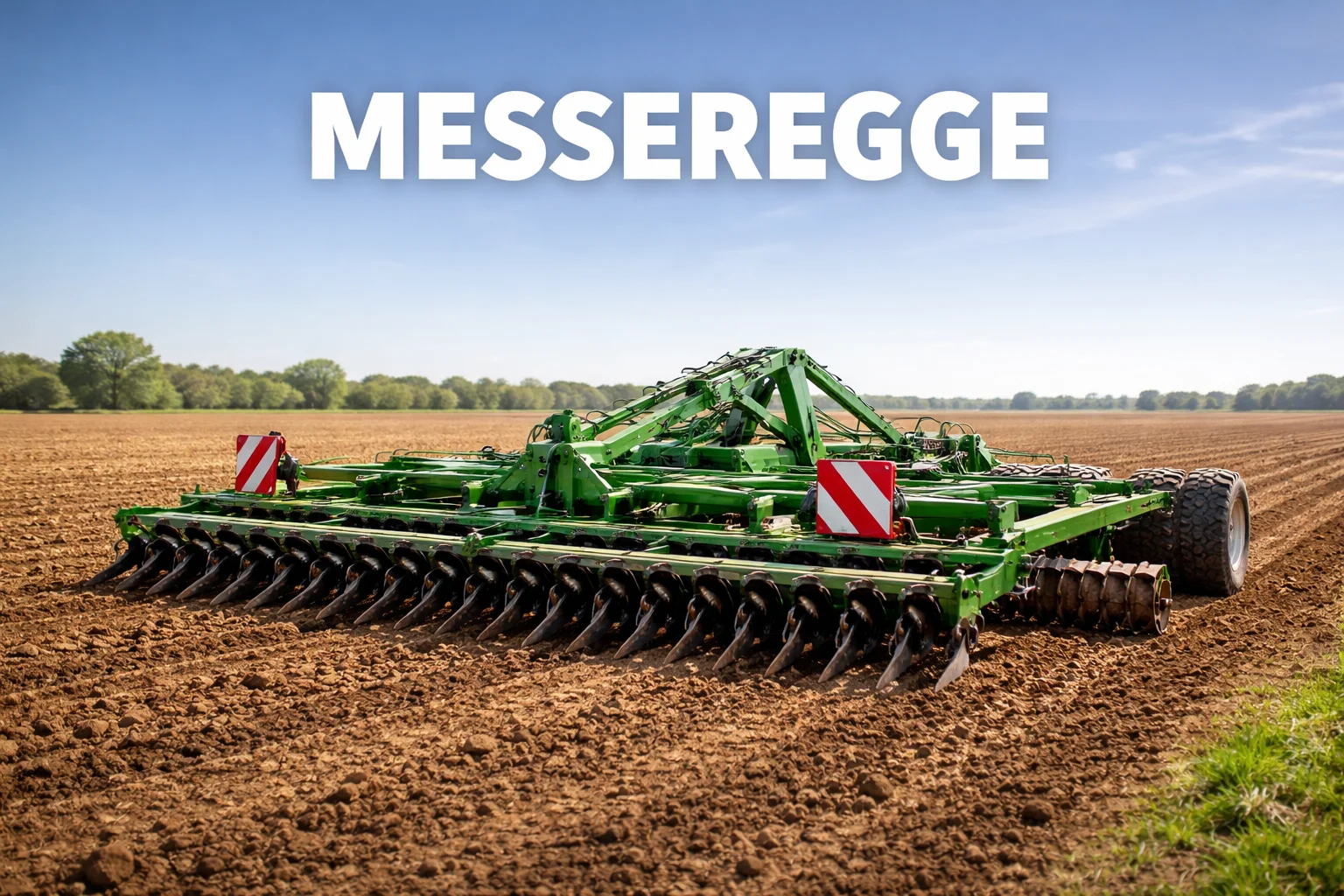
Messeregge
Introduction to Messeregge
Messeregge is one of those terms that sparks curiosity the moment you hear it. It doesn’t belong to mainstream vocabulary, nor does it fall into a widely recognized professional category. Instead, messeregge functions like a conceptual hybrid—part idea, part methodology, and part interpretation depending on the context where it appears. Over time, the term has evolved through usage in niche discussions, creative interpretations, and even organizational frameworks. Because of its open-ended nature, messeregge stands out as a word people want to explore, define, and repurpose to fit modern needs.
This very ambiguity has sparked increasing interest. People are always drawn to concepts that aren’t rigidly defined, because they offer creative room to build meaning. Messeregge fits that profile perfectly—flexible, dynamic, and applicable in multiple scenarios. Whether it appears in personal development, organizational function, digital culture, or theoretical models, it tends to adapt to the narrative rather than impose one. That makes it an intriguing concept for writers, analysts, strategists, and problem-solvers.
However, before diving deeper, it’s worth acknowledging something important—messeregge isn’t tied to a single traditional definition. Instead, it functions like a conceptual placeholder, and its meaning depends heavily on usage. Some describe it as a framework for managing complexity, while others treat it as a system for understanding messy structures or irregular patterns. Still others see it as a metaphor for balancing chaos and order in modern life. All of these interpretations coexist because none of them contradict the essence of the term.
This introduction acts as the foundation for a more detailed exploration. By the end of this article, messeregge will shift from being an unfamiliar word to a layered concept that can be understood, applied, and interpreted in meaningful ways. The goal isn’t to confine it to a fixed definition but to illuminate its depth, versatility, and relevance.
Understanding the Core Meaning of Messeregge
At its core, messeregge can be understood as a system or idea centered around the management of disorder, irregularity, or complex patterns. In other words, it’s a conceptual tool used to make sense of things that don’t fit cleanly into ordinary categories. This includes situations that are chaotic but not unmanageable, patterns that seem random but actually contain structure, and systems that appear messy but follow hidden logic. Messeregge helps interpret these scenarios through a balanced perspective.
One of the reasons the word is gaining traction is because it speaks directly to the realities of modern life. Most of the systems we deal with today—technology, communication, work, personal goals—are no longer linear or predictable. Instead, they operate in nonlinear cycles. There’s uncertainty, fluidity, and constant change. Messeregge reflects this environment by offering a mental model where irregularity isn’t seen as a flaw—it’s simply part of the system. This mindset shift allows people to work with complexity instead of fighting it.
Another helpful way to understand messeregge is as a bridge between chaos and structure. Many traditional models focus heavily on one side—either they attempt to impose rigid order or they accept complete unpredictability. Messeregge sits between these extremes. It acknowledges the existence of disorder but also recognizes that patterns and logic can emerge from it. This middle-ground perspective makes it useful for planning, problem-solving, and decision-making in unique or evolving situations.
Ultimately, the core meaning of messeregge isn’t about defining chaos or structure individually—it’s about understanding their interaction. That interaction shapes everything from personal routines to digital ecosystems. By adopting messeregge as a conceptual lens, individuals can gain a more balanced understanding of how dynamic systems behave and how to operate effectively within them.
Historical and Conceptual Evolution of Messeregge
When exploring where messeregge originated, the story becomes interesting—not because there is a precise, documented history, but because the concept evolved organically. It doesn’t stem from a single discipline. Instead, it has roots in areas like problem-solving theory, systems thinking, organizational behavior, and even creative methodologies. In each setting, messeregge represented a way to handle irregularity, adapt to complexity, or interpret unconventional patterns.
Over time, the term expanded beyond technical fields and entered more casual usage. People began applying it to everyday scenarios, describing it as a mindset rather than a rigid framework. Someone might use messeregge to talk about a chaotic work schedule that still somehow produces results. Others might use it to describe an evolving creative process that doesn’t follow a linear path. The concept grew because it addressed a shared reality: the modern world rarely offers perfect order.
As digital technology advanced, messeregge took on additional connotations. Digital environments are full of non-linear interactions—algorithms, user behavior, social dynamics, and information flows. These systems shift constantly, often in unpredictable ways. The idea of messeregge fit naturally in this space because it acknowledges that structure can emerge through interaction, not just through planning. With digital trends accelerating at unprecedented speeds, messeregge became a lens for understanding how complexity and adaptability coexist.
The conceptual evolution continues today. People increasingly use the term in personal development, workplace culture, digital strategy, and even psychological interpretation. Because messeregge never had a fixed definition, its evolution reflects societal change. As complexity increases, the usefulness of the concept grows. This fluid evolution is what makes messeregge both accessible and intellectually rich.
Modern Applications of Messeregge
In the modern world, messeregge has a surprising number of applications. One of the most impactful is in workflow and productivity management. A lot of people struggle with maintaining perfect order in their tasks or schedules, and traditional productivity systems sometimes fail because they require rigid consistency. Messeregge provides a more flexible approach. It encourages people to acknowledge that real-life tasks fluctuate, priorities shift, and unexpected situations arise. Instead of forcing strict order, messeregge helps align tasks based on evolving needs.
Another major application appears in digital strategy and content planning. Online spaces move quickly and unpredictably. Trends rise and fall within days. Algorithms change. Audiences shift. A rigid strategy rarely survives for long. Messeregge allows strategists to build adaptable frameworks. Instead of planning every detail far in advance, they develop flexible structures that can evolve in real time. This adaptive approach often leads to better engagement, faster problem-solving, and more creative output.
Messeregge is also increasingly used in team management and organizational culture. Many workplaces now operate in fast-paced, dynamic environments where old systems of hierarchy and strict procedures no longer work effectively. Leaders who adopt a messeregge mindset encourage experimentation, learning, and flexible decision-making. They understand that not every process needs to be perfectly structured to produce high-quality results. This fosters a more innovative, resilient work culture where teams feel empowered rather than restricted.
Finally, messeregge has personal development applications. People use it to understand and manage life’s unpredictability—relationships, emotions, career paths, or personal goals. Instead of expecting everything to unfold in a perfect order, individuals can adopt a more fluid approach, one that balances structure with adaptability. This makes it easier to navigate challenges, pivot when necessary, and remain grounded even when circumstances change suddenly.
Messeregge as a System for Managing Complexity
The idea of messeregge shines brightest when applied to complexity. Complex systems—whether technological, social, or personal—have patterns that are difficult to predict. They involve multiple variables and are influenced by interactions rather than isolated actions. Traditional frameworks often break down in these environments because they try to oversimplify. Messeregge, however, works differently. It doesn’t attempt to eliminate complexity; it provides a way to understand and navigate it.
One of the strengths of messeregge is that it embraces dynamic processes. Instead of expecting situations to stay constant, it accepts that variables will shift. This makes the model incredibly useful in environments where rapid change is the norm. For instance, in a business scenario, customer behavior, market trends, and economic conditions can shift at any moment. Messeregge prepares decision-makers to respond rather than react impulsively.
Another important characteristic of the messeregge system is that it values interconnectedness. Complex systems aren’t made of isolated parts—they are webs of relationships, interactions, and feedback loops. Messeregge encourages individuals and organizations to look at the whole system rather than focusing solely on individual components. This holistic view often reveals hidden patterns or opportunities that traditional models might overlook.
Messeregge also encourages iterative learning. Instead of expecting one perfect solution, the system supports continuous testing, adjustment, and refinement. This is especially valuable in environments like software development, marketing, scientific research, or creative production, where each attempt contributes to improvement. Through messeregge, mistakes are not viewed as failures but as essential data points that shape the next iteration.
Because of this, messeregge is not just a system—it’s a mindset. It helps people stay open, adaptable, and observant. It supports flexible thinking and reduces stress by shifting focus from perfection to progression. When dealing with complexity, this approach leads to more sustainable and resilient outcomes.
Why Messeregge Matters Today
Messeregge matters today more than ever because the world is increasingly unpredictable. Traditional linear models struggle to interpret modern systems, whether they involve digital ecosystems, social dynamics, global markets, or personal lifestyles. Messeregge fills that gap by offering a conceptual framework that aligns with contemporary realities. It speaks to the chaos, fluidity, and interconnectedness that define modern life.
Another reason messeregge is relevant is because it encourages creativity and innovation. In an era where new ideas, technologies, and trends are constantly emerging, rigid structures can limit progress. Messeregge, with its flexible and dynamic nature, allows people to experiment, adapt, and evolve. This mindset helps individuals and organizations stay competitive and responsive in fast-changing environments.
On a personal level, messeregge reduces the pressure to maintain unrealistic levels of order or control. Many people experience anxiety when life doesn’t unfold neatly, but messeregge helps normalize irregularity. It reframes unpredictability as something manageable, even meaningful. This can improve mental resilience, decision-making, and emotional balance.
Finally, messeregge matters because it aligns with broader social shifts. Society is gradually embracing diversity, fluidity, and non-traditional paths. People are redefining careers, relationships, and identities. In such an environment, concepts like messeregge become powerful tools—they don’t enforce straight lines; they support flexible journeys. And that makes them perfectly suited for today’s world.
Conclusion
Messeregge may not be a mainstream term, but its relevance is undeniable. It represents a modern way of understanding complexity, embracing irregularity, and navigating unpredictable systems. Whether applied to personal development, digital strategy, organizational management, or theoretical modeling, messeregge offers adaptability and insight that traditional frameworks often lack.
About the Author