Female Snooker Referees
Introduction: A Quiet Revolution at the Snooker Table
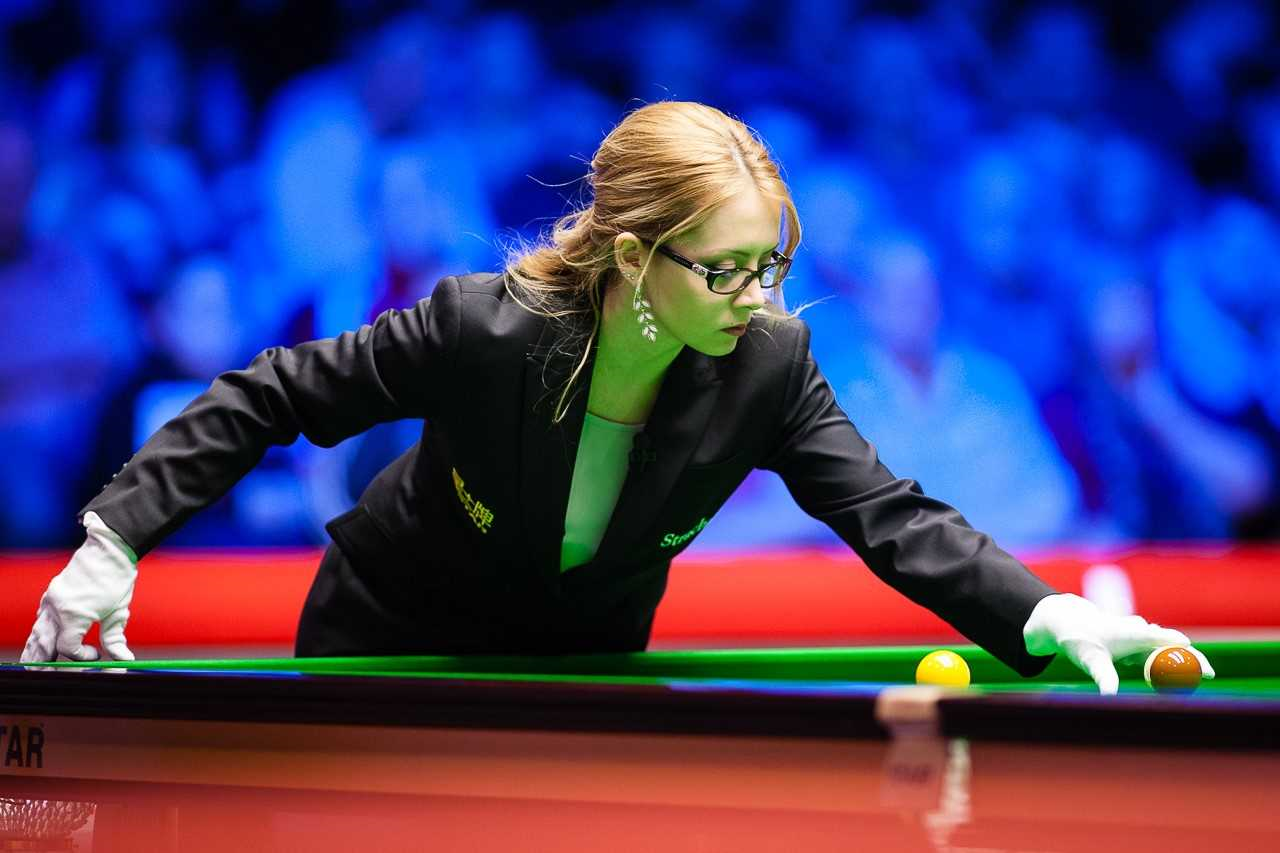
Snooker has long been associated with hushed arenas, green baize tables, and a traditional, almost old-school atmosphere. For decades, when viewers tuned in to watch major snooker tournaments, they expected to see male referees dressed in black waistcoats, calmly officiating matches with near-invisible authority. However, over the past few decades, that image has evolved significantly. Female snooker referees have become an increasingly prominent and respected presence in the professional game, challenging outdated stereotypes and redefining what authority looks like in the sport.
This change did not happen overnight. Female referees had to earn their place through persistence, professionalism, and an uncompromising commitment to the rules of the game. They entered a male-dominated environment not by demanding special treatment, but by proving—match after match—that they could perform at the highest level under intense pressure. Today, female snooker referees are officiating at World Championships, Masters events, and ranking tournaments, becoming familiar faces to millions of fans worldwide.
What makes their rise particularly compelling is how subtle yet powerful it has been. There was no loud campaign or sudden shift; instead, it was built on credibility, consistency, and excellence. This article explores the journey of female snooker referees, their role in modern snooker, the challenges they face, and the lasting impact they are having on the sport’s culture and future.
The Role of a Snooker Referee: Precision, Authority, and Mental Strength
Before diving into the unique experiences of female snooker referees, it is important to understand just how demanding the role of a snooker referee truly is. To casual viewers, a referee might appear to simply call fouls, replace balls, and announce scores. In reality, refereeing snooker is a mentally exhausting and highly technical job that requires absolute focus from the first break-off to the final black.
A snooker referee must have an expert-level understanding of the rules, including obscure and rarely used regulations that may suddenly become relevant in high-pressure situations. They must be capable of making instant decisions that can change the outcome of a match, all while maintaining complete neutrality. Unlike many other sports, snooker referees operate in near silence, where even the smallest mistake is amplified by the quiet of the arena and the scrutiny of television cameras.
Mental resilience is another crucial aspect of the job. Referees often stand for hours, remaining perfectly still while matches unfold. They must ignore crowd noise, player frustration, and personal fatigue. In major tournaments, referees are also responsible for maintaining the rhythm of the game, ensuring that play flows smoothly without unnecessary interruptions.
For female referees, mastering these responsibilities was the first and most important step toward acceptance. Once players and fans recognized that they were just as precise, calm, and knowledgeable as their male counterparts, the conversation shifted from gender to performance—and that shift changed everything.
Early Challenges for Female Snooker Referees
The early days for female snooker referees were far from easy. Snooker, like many cue sports, developed within a traditionally male social environment, particularly in clubs and competitive circuits. As a result, women entering officiating roles often faced skepticism, both subtle and overt. Some players initially questioned their authority, while certain fans viewed them as novelties rather than professionals.
One of the most difficult challenges was the pressure to be flawless. While male referees were sometimes allowed the occasional minor error without major backlash, female referees often felt that any mistake would be unfairly attributed to their gender rather than human error. This created an environment where they had to operate under heightened scrutiny at all times.
There were also practical challenges. Early female referees had limited mentorship opportunities, as there were few women in senior officiating roles to guide them. Networking within the sport was more difficult, and progression could feel slower compared to male colleagues. Despite these obstacles, many female referees persisted, driven by a genuine love for the game and a desire to be judged solely on merit.
Over time, as their professionalism became impossible to ignore, resistance began to fade. Players grew accustomed to seeing women officiating matches, and fans began to appreciate the calm authority and clarity they brought to the table. What once felt unusual gradually became normal—and that normalization marked a turning point in snooker history.
Trailblazers Who Changed the Game
The rise of female snooker referees would not have been possible without a handful of trailblazers who paved the way. These women took on the toughest assignments, often under immense pressure, and set standards that reshaped perceptions across the sport. By consistently performing at elite levels, they demonstrated that officiating excellence knows no gender.
Some female referees became instantly recognizable figures, admired not only for their technical skills but also for their composure during high-stakes moments. Whether handling disputes between top players or managing complex ball replacements in crucial frames, they showed remarkable confidence and fairness. Their presence in televised matches played a crucial role in shifting public opinion.
What made these trailblazers particularly influential was their professionalism off the table as well. They engaged respectfully with players, supported fellow officials, and represented the sport with dignity. In doing so, they became role models for aspiring referees, both male and female, who saw in them a blueprint for success.
Today, many of these pioneers are widely respected within the snooker community. Their legacy is not just the matches they officiated, but the doors they opened for future generations. Because of their efforts, young women entering snooker officiating no longer feel like outsiders—they feel like they belong.
Acceptance and Respect in the Professional Circuit
One of the most significant milestones for female snooker referees has been earning full acceptance from professional players. In elite snooker, respect is everything. Players rely on referees to be fair, consistent, and invisible in the best possible way. Once trust is established, gender becomes irrelevant.
Many top players have openly praised female referees for their calm demeanor and professionalism. Over time, players stopped viewing them as “female referees” and began seeing them simply as “referees.” This shift might seem small, but it represents a major cultural change within the sport.
Respect is also evident in the assignments female referees now receive. They are regularly appointed to officiate finals, deciding frames, and major ranking events. These assignments are not symbolic gestures; they are based on performance, experience, and trust. Tournament organizers know that these referees can handle the biggest moments without hesitation.
The atmosphere on the professional circuit today is far more inclusive than it once was. While challenges still exist, female referees are no longer exceptions. They are integral members of the officiating team, contributing to the sport’s credibility and integrity at the highest level.
Media Coverage and Public Perception
Media exposure has played a complex role in shaping perceptions of female snooker referees. In the early years, coverage often focused more on appearance than ability, which many referees found frustrating. Instead of discussing their knowledge of the rules or their performance under pressure, some outlets treated them as curiosities.
However, as female referees continued to officiate major matches with consistency and confidence, the narrative gradually shifted. Commentators began to acknowledge their skill, and fans started recognizing them for their professionalism rather than their gender. Social media also played a role, allowing referees to share their experiences and connect directly with fans.
Today, while occasional superficial commentary still exists, it is increasingly overshadowed by genuine respect. Viewers appreciate referees who maintain control of the match, communicate clearly, and uphold the spirit of the game. Female referees who excel in these areas are now celebrated for the same reasons as their male colleagues.
This evolution in perception reflects a broader change in sports culture. As audiences become more aware of equality and representation, there is greater appreciation for individuals who earn their place through merit. Female snooker referees have benefited from this shift, but they also helped create it through years of consistent excellence.
Training, Certification, and Professional Standards
Becoming a professional snooker referee is not easy, regardless of gender. The path involves rigorous training, examinations, and years of practical experience. Aspiring referees must study the rules in detail, demonstrate accurate judgment, and develop the confidence to officiate matches involving world-class players.
Female referees undergo the same certification processes as their male counterparts. There are no shortcuts or special allowances. This equality in training has been crucial in establishing credibility. When a female referee steps into the arena, everyone knows she has earned that position through hard work and proven ability.
In addition to technical knowledge, referees must develop strong communication skills. They need to explain decisions clearly and calmly, even when players are frustrated or under pressure. Professionalism, neutrality, and composure are non-negotiable qualities.
Many female referees also invest significant time in fitness and mental conditioning. Long matches can be physically demanding, and maintaining focus for extended periods is essential. By meeting and often exceeding these standards, female referees continue to reinforce their place at the top level of the sport.
Influence on Young Women and Grassroots Snooker
One of the most powerful impacts of female snooker referees is their influence on young women who love the game. Representation matters, and seeing women officiate major tournaments sends a clear message: there is a place for you in this sport.
At the grassroots level, more young women are considering refereeing as a viable pathway into professional snooker. Clubs and associations are beginning to encourage diversity among officials, recognizing that a broader talent pool benefits the sport as a whole. Female referees often participate in mentoring programs, helping newcomers navigate the challenges of early officiating.
This growing interest has long-term implications for snooker’s future. A more diverse officiating community brings fresh perspectives, stronger governance, and a more inclusive atmosphere. It also helps the sport remain relevant to new generations of fans.
By simply doing their jobs well, female snooker referees are inspiring others to follow in their footsteps. Their influence extends far beyond the matches they officiate, shaping the culture and accessibility of the sport at every level.
Challenges That Still Exist
Despite significant progress, challenges remain for female snooker referees. Subtle biases can still surface, particularly in online discussions and social media commentary. Some referees face undue criticism that focuses on gender rather than performance, which can be mentally draining.
Work-life balance is another challenge. Professional refereeing involves extensive travel, irregular hours, and long tournament schedules. For women, particularly those balancing family responsibilities, this can require careful planning and strong support systems.
There is also the ongoing need for institutional support. Continued investment in training, mentoring, and promotion is essential to ensure that female referees have equal opportunities for advancement. While progress has been made, maintaining momentum is crucial.
Acknowledging these challenges does not diminish the achievements of female referees. Instead, it highlights their resilience and determination. The fact that they continue to thrive despite these obstacles speaks volumes about their commitment to the sport.
The Future of Female Snooker Referees
The future looks bright for female snooker referees. As the sport continues to modernize and expand globally, inclusivity is becoming a central value rather than an afterthought. Tournament organizers, governing bodies, and broadcasters increasingly recognize the importance of diversity in all roles.
In the coming years, it is likely that more women will enter officiating at both national and international levels. With stronger mentorship networks and greater visibility, the path forward will be clearer and more accessible. Female referees may also take on leadership roles within officiating bodies, influencing policy and development.
What is most encouraging is that the conversation is changing. Instead of asking whether women belong in snooker officiating, the focus is now on how to support excellence across the board. That shift represents true progress.
Female snooker referees are no longer a novelty or a talking point. They are professionals, experts, and integral contributors to the game’s integrity and evolution.
Conclusion: More Than Officials, They Are Game-Changers
Female snooker referees have quietly transformed the sport through professionalism, resilience, and unwavering commitment to excellence. By earning respect on merit, they have challenged outdated assumptions and helped create a more inclusive and modern snooker culture.
About the Author