Julian Van Tulleken
Introduction to Julian Van Tulleken’s Public Presence
Most people first learn about Julian Van Tulleken through television, interviews, or articles discussing medical topics in an accessible way. His name often appears alongside his identical twin brother, Chris van Tulleken, but Julian has carved out his own path in medicine, global health, and public communication. What makes him interesting is how he manages to balance traditional medical practice with media, humanitarian work, and thoughtful commentary on public well-being. Unlike many doctors who remain strictly within the clinical sphere, Julian has chosen a route that merges Julian Van Tulleken medical expertise with education, outreach, and global impact.
Julian’s professional background is rooted in solid medical training, but his approach to healthcare extends well beyond the confines of hospitals and clinics. Over the years, he has been involved in projects that bridge science with real-world challenges, especially those facing underserved populations. This mix of compassion, curiosity, and communication skill is what sets him apart. Even though he is academically accomplished, his tone when speaking to the public is relaxed, approachable, and grounded.
A major part of his appeal is his ability to explain complex subjects without sounding condescending or oversimplifying the content. People trust him because he communicates like someone who genuinely wants others to understand issues that affect their everyday lives. While many medical experts unintentionally create a barrier between themselves and the public Julian Van Tulleken due to jargon or formal tone, Julian has a talent for connecting with audiences in a natural and relatable way.
In many ways, what makes Julian noteworthy is not only his professional achievements but also his philosophy about the role of doctors in modern society. His work suggests that medicine is not merely about diagnosing illnesses—it’s about advocating for systemic improvements, promoting public education, and pushing for accessible, evidence-based information Julian Van Tulleken for everyone.
Early Life, Education, and the Making of a Doctor
Julian’s journey into medicine was influenced by a curious and academic upbringing. Growing up with a twin who also pursued medicine sparks a natural sense of parallel development. There is often a tendency for people to assume the two brothers followed identical paths, but in truth, their specializations, perspectives, and individual ambitions set them on distinct trajectories. Still, their shared foundation created an environment where learning, questioning, and exploring science was normal and encouraged.
During his early years, Julian displayed a strong interest not only in biological sciences but also in world issues. This combination later shaped his approach to practicing medicine with a global lens rather than a purely local or clinical focus. Becoming a doctor was not simply about securing a stable profession but about understanding and engaging with the complexities of human health across different societies and environments.
His formal medical training included rigorous study, hands-on clinical rotations, and research exposure. These experiences helped him recognize that healthcare was not uniform across the world. While medicine is universal in principle, its application varies dramatically depending on geography, resources, policies, and cultural practices. Julian’s time in academic Julian Van Tulleken institutions refined his analytical skills while also revealing shortcomings in global health systems—shortcomings that later motivated his involvement in humanitarian and outreach work.
What truly shaped his perspective as a doctor was the interplay between clinical training and global observation. He learned early on that being a physician meant more than diagnosing diseases—it meant becoming a communicator, a listener, and sometimes even an advocate. These foundations would later define his career and differentiate him from more traditionally focused practitioners.
Professional Career and Areas of Expertise
Julian Van Tulleken’s professional path is notable for its multidimensional nature. While he is a trained medical doctor, he has also worked extensively in areas that connect medicine with education, outreach, and public communication. His involvement in global health is a key part of his identity as a physician. Working in challenging environments, Julian has seen firsthand how health outcomes are influenced not only by medical care but also by social conditions, resource availability, and education.
One of the defining elements of his career is his ability to merge traditional clinical knowledge with a broader understanding of population health. Many doctors focus on the micro level—individual diagnoses, treatments, and follow-ups. Julian’s approach often includes the macro level as well, taking into account community conditions, socioeconomic factors, and public health frameworks. This dual perspective makes his insights particularly valuable in discussions surrounding public health policy and healthcare access.
Another area where Julian has gained recognition is science communication. He has appeared in documentaries, television programs, and expert interviews that aim to make complex medical topics understandable to non-experts. This Julian Van Tulleken commitment to transparency and clarity is especially important in an era where medical misinformation spreads quickly. By presenting credible, accessible explanations, he helps individuals make informed decisions about their health.
Julian has also collaborated with institutions and organizations dedicated to improving healthcare in underserved regions. His background in global medicine aligns well with initiatives that aim to strengthen healthcare systems, train local professionals, and address preventable health issues. This combination of clinical expertise, global awareness, and public engagement makes him a distinctive figure in the medical field.
Julian and His Twin Brother: A Collaborative Yet Distinct Dynamic
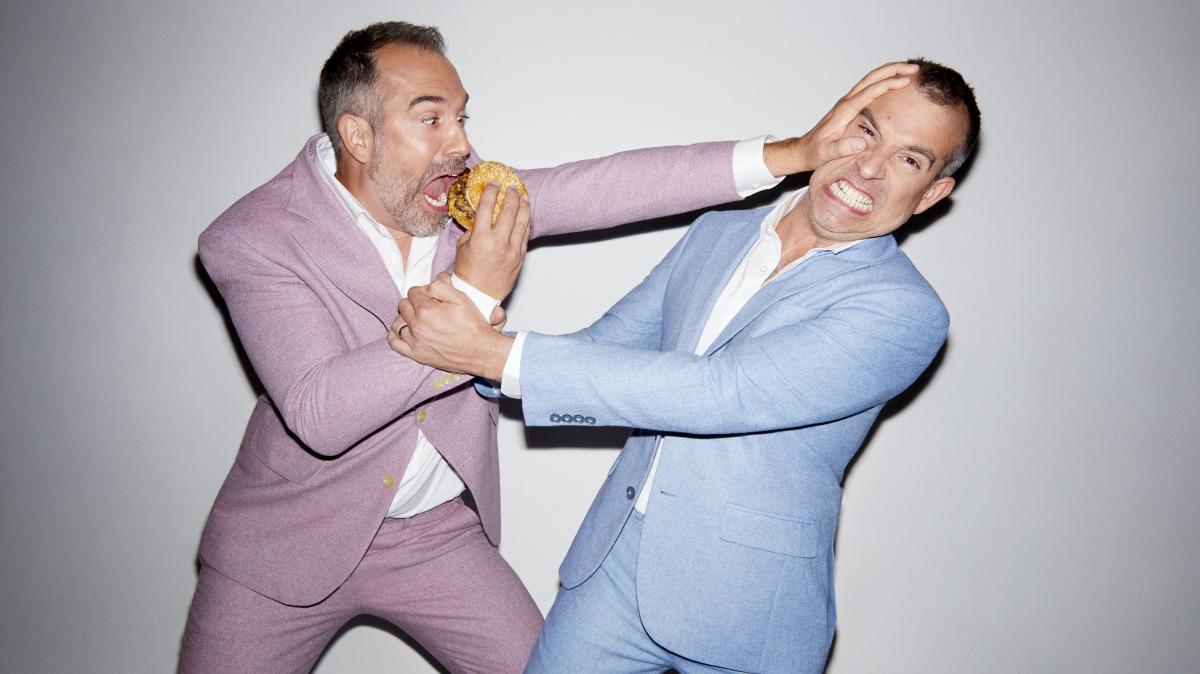
It is nearly impossible to talk about Julian without acknowledging his twin brother, who is also a physician and well-known broadcaster. While the two share a genetic connection and overlapping interests, each has pursued his own unique pathway. Their dynamic is an interesting one—collaborative at times, independent at others. They have occasionally appeared together on public platforms, particularly when discussing medical topics from a broad societal perspective.
Though they both possess strong communication skills and an ability to bring medical issues to mainstream audiences, their expertise is not identical. Julian Van Tulleken interests lean more into global health and humanitarian work, whereas his brother is widely recognized for his research into nutrition, public health, and the impact of ultra-processed foods. Their differences complement one another, creating opportunities for richer conversations and shared media projects.
To the public, the concept of medical twins working in similar fields is inherently intriguing. It evokes curiosity about how they influence each other, whether their views always align, and how their shared background shapes their careers. The reality is that while they support each other professionally and personally, they maintain strong individual identities. Each brings a separate set of skills and experiences to the medical community.
This balance between individuality and Julian Van Tulleken connection has helped both brothers find their respective places in the public sphere. They do not rely on their twin dynamic to define their careers, but they also don’t shy away from acknowledging the bond. For Julian, this means maintaining his independence as a physician while recognizing the value of shared upbringing and occasional collaboration.
Public Health Messaging and Science Communication
One of the most important contributions Julian has made to the public is through his work in health communication. The accessibility of medical information—particularly reliable medical information—is a major challenge today. Many people lack access to trustworthy guidance, while misinformation continues to spread rapidly across digital platforms. By presenting clear, research-backed information, Julian helps bridge this gap.
He has contributed to discussions about topics ranging from global epidemics to everyday health habits. His communication style is conversational yet informed, making it easier for audiences to grasp nuanced subjects. What distinguishes his approach is the lack of intimidation; he presents scientific knowledge in a way that feels useful rather than overwhelming. This skill is crucial for helping people feel empowered rather than confused when navigating health decisions.
Julian’s commentary often focuses on how health is influenced by external structures rather than just personal choices. This perspective is a refreshing change from the overly individualistic narrative sometimes seen in public health messaging. By explaining how policies, environments, and socioeconomic conditions influence health, he encourages a more compassionate Julian Van Tulleken and realistic understanding of wellness.
In addition to explaining scientific concepts, Julian often emphasizes the importance of critical thinking. He encourages audiences to question sources, look for evidence, and avoid assuming that every claim online is accurate. His work in public communication ultimately strengthens scientific literacy, which is vital for maintaining a well-informed society.
Julian’s Global Health Perspective
A central theme throughout Julian’s career is his focus on global health. This perspective comes from firsthand experience working in various international settings. Rather than limiting his understanding of healthcare to one region or socioeconomic group, he embraces a broader, global approach that recognizes health disparities and strives to address them.
Working in global health often means confronting difficult challenges. Many regions face shortages of medical supplies, lack of trained professionals, limited funding, and infrastructural obstacles. Julian’s exposure to these realities has shaped his belief that medical professionals must think beyond borders. Healthcare is interconnected; what affects one region can eventually influence another, as demonstrated by global pandemics and emerging health threats.
His work emphasizes that global health isn’t only about responding to crises but also about building sustainable systems that empower Julian Van Tulleken communities. This approach prioritizes education, training, and local capacity building. Rather than imposing external solutions, Julian advocates working alongside local professionals to develop strategies tailored to specific regional needs.
This perspective is not just academic—it influences the way Julian approaches public messaging as well. By incorporating global health insights into mainstream conversations, he helps the public recognize that health is shaped by more than personal habits. It is tied to global systems, political decisions, and shared responsibilities.
Media Appearances and Public Recognition
Julian’s television and media presence has expanded his reach significantly. Through appearances in documentaries, interviews, and health programs, he has become a trusted voice in conversations about medical issues. These appearances often involve breaking down complicated scientific information into digestible insights that resonate with general audiences.
His calm and reassuring communication style makes him a relatable expert. While some medical professionals struggle to transition from clinical language to public-friendly explanations, Julian excels in making content feel accessible and engaging. This skill has earned him recognition not only as a doctor but also as an educator and communicator.
In a media landscape overflowing with sensationalism, Julian’s grounded, evidence-based tone offers a refreshing contrast. He does not rely Julian Van Tulleken on dramatic claims or exaggerated warnings to get attention. Instead, he focuses on presenting facts clearly and responsibly. This integrity has contributed to the public’s trust in his knowledge and judgment.
Even though his work in media is significant, Julian’s presence never feels like that of a celebrity physician seeking attention. His message remains rooted in education, health literacy, and genuine concern for public well-being. This authenticity is a major reason why people respect his insights and continue to follow his work.
Personal Philosophy: Medicine as Service and Education
Throughout his career, Julian has demonstrated a consistent belief that medicine is not solely a science but also an act of service. He frequently highlights the importance of empathy, communication, and awareness of broader social issues. For him, being a doctor means more than diagnosing illnesses—it involves understanding patients as individuals with unique backgrounds and challenges.
This philosophy extends into his public messaging, where he often emphasizes compassion and understanding over judgement or alarm. His approach invites people to think holistically about their health, considering not only biological factors but also emotional, social, and environmental aspects. This comprehensive view encourages individuals to take a more mindful approach to wellness.
Another pillar of Julian’s philosophy Julian Van Tulleken is the importance of accessibility. Information should not be confined to academic journals or medical institutions; it should be available to everyone. By sharing knowledge openly and conversationally, he helps reduce the gap between experts and the public. This improves health literacy, empowers individuals, and strengthens communities.
In essence, Julian’s philosophy is about uplifting people. He seeks to empower rather than intimidate, educate rather than lecture, and connect rather than distance. These values are evident across all aspects of his work—from clinical practice to global health outreach to public communication.
Conclusion: The Lasting Impact of Julian Van Tulleken
Julian Van Tulleken represents a modern kind of medical professional—one who blends clinical knowledge with global awareness, media communication, and public advocacy. His career demonstrates that being a doctor today involves more than treating individual patients. It requires understanding broader health systems, engaging with the public, promoting scientific literacy, and addressing inequalities that affect communities around the world.
About the Author