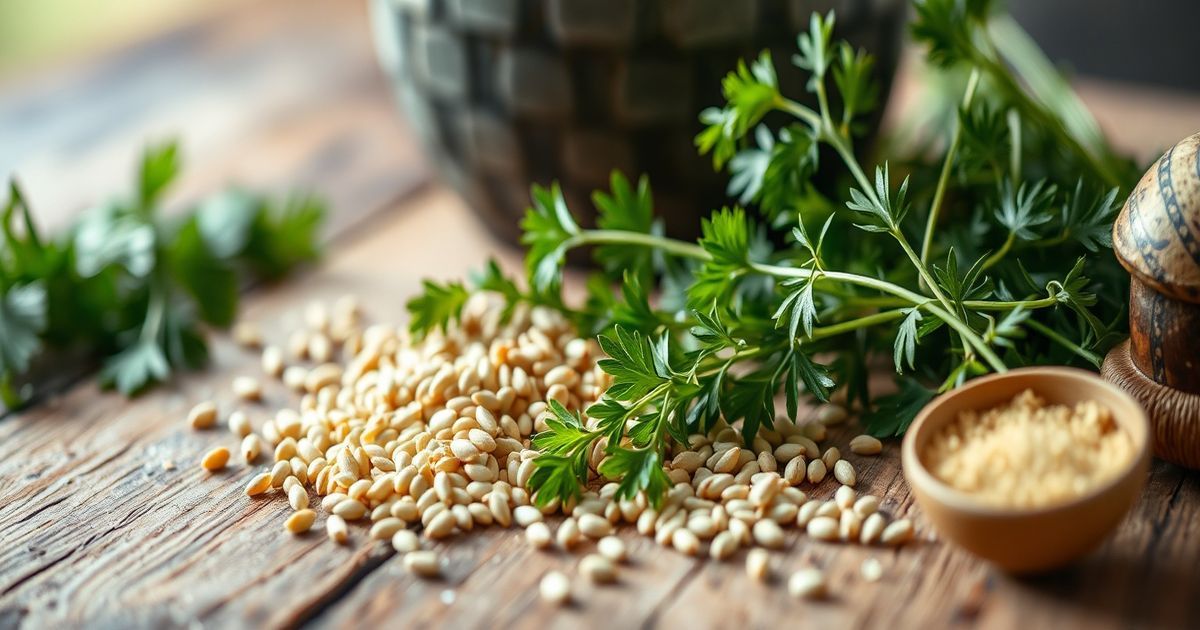
Koriandri—often recognized as the seeds of Coriandrum sativum—is a cornerstone of global cuisines and traditional medicine. While the term “koriandri” may appear less common in English-speaking regions (where “coriander” dominates), it represents the same potent spice derived from the coriander plant. This article demystifies koriandri, exploring its botanical roots, nutritional profile, and practical applications. Whether you’re a home cook, wellness enthusiast, or gardener, understanding koriandri unlocks opportunities to enhance both flavor and vitality. In 2026, as interest in sustainable, plant-based wellness surges, koriandri continues to gain recognition for its adaptability and science-backed benefits. Let’s dive into why this humble seed deserves a permanent place in your pantry and garden.
What Is Koriandri? Botanical and Historical Context
Koriandri refers specifically to the dried seeds of the coriander plant (Coriandrum sativum), a member of the Apiaceae family. Unlike its leafy counterpart (cilantro), koriandri offers a warm, citrusy flavor with hints of orange peel and sage. Historically, it traces back over 3,000 years to ancient Egypt, where it was used in cooking and mummification rituals. The term itself derives from Greek koris (bedbug), likely referencing the seed’s initial pungent aroma before drying. Today, koriandri thrives in Mediterranean, Asian, and Latin American climates, with India producing 70% of the global supply. Its resilience and low water requirements make it a sustainable crop—a key factor in its rising popularity amid 2026’s climate-conscious agriculture trends. Understanding koriandri begins with appreciating its journey from wild herb to culinary staple.
Culinary Applications of Koriandri
Koriandri transforms dishes with its complex flavor profile, balancing earthiness and brightness. Chefs prize it for its versatility across sweet and savory creations. Ground koriandri adds depth to curries, stews, and spice rubs, while whole seeds infuse pickles, breads, and marinades. Its subtle sweetness complements fruits like apples and pears, making it ideal for chutneys and desserts. In 2026, innovative uses are emerging, such as koriandri-infused oils for gourmet finishing or as a key component in plant-based “cheese” alternatives. For optimal flavor, toast koriandri seeds lightly before grinding to release essential oils. Avoid overheating, which can turn them bitter. Here are standout culinary uses:
- Spice Blends: Essential in garam masala, ras el hanout, and Ethiopian berbere.
- Baking: Enhances rye bread, gingerbread, and citrus-based pastries.
- Beverages: Steeped in teas or used in craft cocktails for aromatic complexity.
- Preservation: Whole seeds flavor pickled vegetables and charcuterie boards.
Health Benefits Backed by Science
Beyond flavor, koriandri offers remarkable health-supporting properties. Rich in antioxidants like linalool and polyphenols, it combats oxidative stress and inflammation. Studies indicate koriandri may aid digestion by stimulating enzyme production and reducing bloating. Its antimicrobial properties help fight foodborne pathogens, while iron and magnesium content supports blood health and muscle function. Recent 2026 research also highlights koriandri’s potential in managing blood sugar levels—a critical benefit as metabolic health concerns grow globally. However, moderation is key; excessive intake may cause gastrointestinal discomfort. Always consult a healthcare provider before using koriandri therapeutically, especially if pregnant or on medication. According to Wikipedia, traditional systems like Ayurveda have leveraged koriandri for centuries to treat ailments ranging from anxiety to skin infections.
Growing Koriandri at Home: A Beginner’s Guide
Cultivating koriandri is surprisingly straightforward, even for novice gardeners. This fast-growing annual thrives in full sun with well-draining soil. Sow seeds directly in spring after the last frost, spacing them 6 inches apart. Koriandri prefers cooler temperatures (60–75°F) and moderate watering—overwatering risks root rot. Harvest seeds when they turn golden-brown and detach easily, typically 45–60 days after flowering. For continuous yield, stagger plantings every two weeks. Here’s a step-by-step approach:
- Prepare soil: Mix compost into loamy soil for nutrients.
- Sow seeds: Plant ¼ inch deep; germination takes 7–14 days.
- Thin seedlings: Keep strongest plants 6 inches apart.
- Harvest: Cut seed heads when dry; store in airtight containers.
Companion planting with beans or peas boosts growth, while avoiding fennel prevents cross-pollination. In 2026, urban gardeners increasingly grow koriandri in containers on balconies, aligning with the “farm-to-table” movement.
Modern Trends and Sustainable Practices in 2026
The koriandri market is evolving rapidly, driven by eco-conscious consumerism. In 2026, demand for ethically sourced koriandri has surged, with certifications like Fair Trade and USDA Organic becoming non-negotiable for premium buyers. Innovations include koriandri-based biodegradable packaging and upcycled seed husks in skincare products. Climate-smart farming techniques—such as drip irrigation and intercropping—are minimizing water use, addressing drought concerns in key growing regions like Morocco and Ukraine. Additionally, koriandri is gaining traction in functional foods, featuring in immunity-boosting supplements and stress-relief teas. As consumers prioritize transparency, blockchain-tracked koriandri shipments now provide real-time farm-to-shelf data. This shift underscores koriandri’s role not just as a spice, but as a symbol of regenerative agriculture.
Conclusion: Embrace the Koriandri Revolution
From ancient remedies to 2026’s cutting-edge wellness trends, koriandri proves its enduring value. Its dual identity as a culinary powerhouse and health ally makes it indispensable for modern living. Whether you’re grinding koriandri for a curry, brewing it into tea, or growing it on your windowsill, this versatile herb offers endless possibilities. As sustainability becomes central to food systems, koriandri’s low environmental footprint positions it as a hero crop for the future. Ready to explore more? Discover expert tips and recipes on our site. Integrate koriandri into your daily routine today—your palate and well-being will thank you.
About the Author