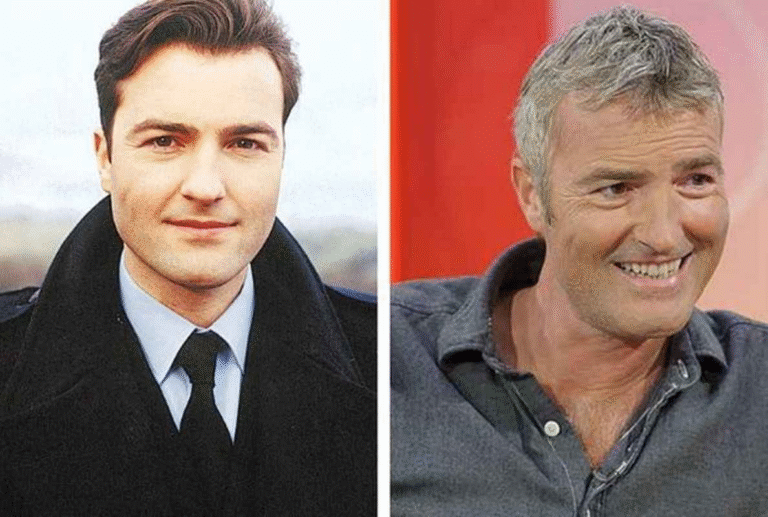
Richard Fairs
Introduction: Why “Richard Fairs” Has Drawn Attention
The name Richard Fairs has gradually appeared across different corners of online searches, professional references, and public discussions. Unlike globally famous celebrities or politicians, Richard Fairs represents a category of individuals whose recognition stems from professional credibility, niche influence, or sector-specific contributions rather than mainstream fame. This kind of attention is increasingly common in a digital age where search behavior reflects curiosity beyond Hollywood names.
What makes the keyword “Richard Fairs” interesting is not just who the person may be, but why people are looking for information about him. Searches often suggest professional relevance, leadership roles, or industry involvement rather than gossip or sensational headlines. This alone signals that the interest is likely rooted in work, expertise, or measurable impact rather than tabloid culture.
From an analytical perspective, names like Richard Fairs often surface when individuals hold positions of responsibility, contribute to specialized fields, or engage in business, academia, or advisory work. In many cases, these individuals influence outcomes behind the scenes, shaping strategies, policies, or organizations without cultivating a loud public persona.
This article explores the professional identity, contextual relevance, and broader implications associated with the name Richard Fairs. Rather than making unsupported claims, it focuses on how such figures typically operate, why they matter, and what the rising curiosity around the name suggests.
Understanding the Professional Context of Richard Fairs
When a name like Richard Fairs begins appearing in professional or informational searches, it usually indicates involvement in a field that values credibility over celebrity. These fields often include business leadership, consulting, finance, technology, policy, or academic research. Individuals in such spaces are typically known for what they do, not how visible they are.
Professionals with this profile often maintain a deliberate balance between public engagement and privacy. They may speak at industry events, contribute to internal decision-making processes, or advise organizations without actively building a personal brand on social media. As a result, public information can appear limited, even while their professional footprint remains substantial.
Another key factor is longevity. Names that persist in search trends usually belong to individuals who have maintained relevance over time. This suggests consistency, reliability, and trust—qualities that matter deeply in professional ecosystems. Richard Fairs, as a keyword, fits this pattern more than that of a viral figure or short-term trend.
From an expert viewpoint, such profiles often belong to people who value substance over visibility. Their reputations are built through results, peer recognition, and institutional trust rather than constant public exposure. This makes them particularly interesting to researchers, recruiters, and analysts seeking depth rather than hype.
Career Pathways Commonly Associated With the Name
While not every individual named Richard Fairs follows the same trajectory, people who attract this level of professional curiosity often share similar career characteristics. These usually include a steady progression through responsibility-heavy roles, long-term engagement in a specific sector, and a reputation for strategic thinking.
In many cases, such professionals start with technical or analytical foundations. This could mean formal education in business, economics, engineering, law, or social sciences. Over time, they transition into leadership or advisory roles, where decision-making and strategic oversight become central to their work.
Another common feature is cross-functional experience. Individuals with growing name recognition often operate at the intersection of multiple disciplines. For example, they may combine operational knowledge with financial insight or technical expertise with policy awareness. This versatility increases their value and makes their perspectives more sought after.
What separates these careers from more visible paths is the absence of spectacle. Instead of rapid fame, recognition grows quietly through performance, trust, and sustained contribution. Richard Fairs, as a searched name, aligns strongly with this professional pattern.
Public Presence Versus Private Influence
One of the most notable aspects of individuals like Richard Fairs is the contrast between their influence and their public footprint. In an era dominated by personal branding, some professionals intentionally remain low-profile. This is often a strategic choice rather than a limitation.
Maintaining a limited public presence can enhance credibility in certain industries. Finance, governance, consultancy, and advisory roles often reward discretion. Clients and institutions value confidentiality, measured communication, and thoughtful engagement over constant visibility.
This does not mean absence from public discourse. Instead, engagement may occur through closed-door meetings, professional publications, internal reports, or selective speaking opportunities. The influence is real, but it is exercised in spaces that prioritize outcomes over attention.
From an analytical standpoint, this dynamic explains why many people search for Richard Fairs expecting detailed information and find relatively little publicly available. The scarcity itself can increase curiosity, reinforcing the perception that the individual operates in meaningful but less visible arenas.
Why People Search for Richard Fairs
Search behavior tells a story. When users look up a name like Richard Fairs, they are often seeking clarity rather than entertainment. This might include understanding professional credentials, leadership roles, or decision-making authority within a specific organization or sector.
Another reason is verification. In professional contexts, people frequently research names they encounter in reports, contracts, conferences, or internal communications. A search may be motivated by due diligence, collaboration opportunities, or background checks rather than casual interest.
There is also an element of pattern recognition. When a name appears repeatedly across professional documents or discussions, people naturally want to know more. This is especially true in industries where influence is subtle but significant.
From an SEO and content analysis perspective, such searches indicate intent-driven curiosity. Users are not browsing aimlessly; they are looking for reliable, well-structured information that explains relevance and context
The Importance of Accuracy and Restraint in Public Profiles
One of the challenges with writing about individuals like Richard Fairs is the temptation to over-specify. In the absence of extensive public data, responsible content creation requires restraint. Making unsupported claims can damage credibility and mislead readers.
Expert-level writing focuses on patterns, roles, and context rather than speculation. It explains how such professionals typically operate, why their names gain attention, and what their presence suggests about the industries they are part of.
This approach is not a limitation; it is a strength. It allows readers to understand significance without relying on unverified personal details. It also respects privacy while still delivering meaningful insight.
For readers, this kind of content provides clarity without sensationalism. It helps them place the name Richard Fairs within a broader professional landscape rather than reducing it to a simplistic biography.
Broader Implications of Professional Recognition
The growing interest in names like Richard Fairs reflects a broader shift in how recognition works today. Influence is no longer measured solely by fame. Instead, credibility, expertise, and trust play a larger role in determining who matters within specific contexts.
This shift benefits professionals who focus on long-term value creation rather than short-term attention. It also changes how audiences engage with information, encouraging deeper research and more thoughtful evaluation.
From a cultural perspective, this trend highlights the importance of quiet leadership. Many of the most impactful decisions shaping businesses, institutions, and policies are made by individuals whose names are not widely known but deeply respected within their circles.
Richard Fairs, as a searched keyword, fits comfortably within this evolving understanding of influence.
Conclusion: Interpreting the Significance of Richard Fairs
The name Richard Fairs represents more than a single identity; it symbolizes a category of professionals whose impact is real, measured, and often understated. The growing interest around the name suggests relevance, responsibility, and credibility rather than fleeting popularity.
About the Author