Your Range Rover needs a new engine. Now you face a choice: buy a used engine or go with a reconditioned one. Both cost less than a brand-new engine, but they are not the same thing. Understanding the difference saves you money and prevents future problems.
What Is a Used Engine?
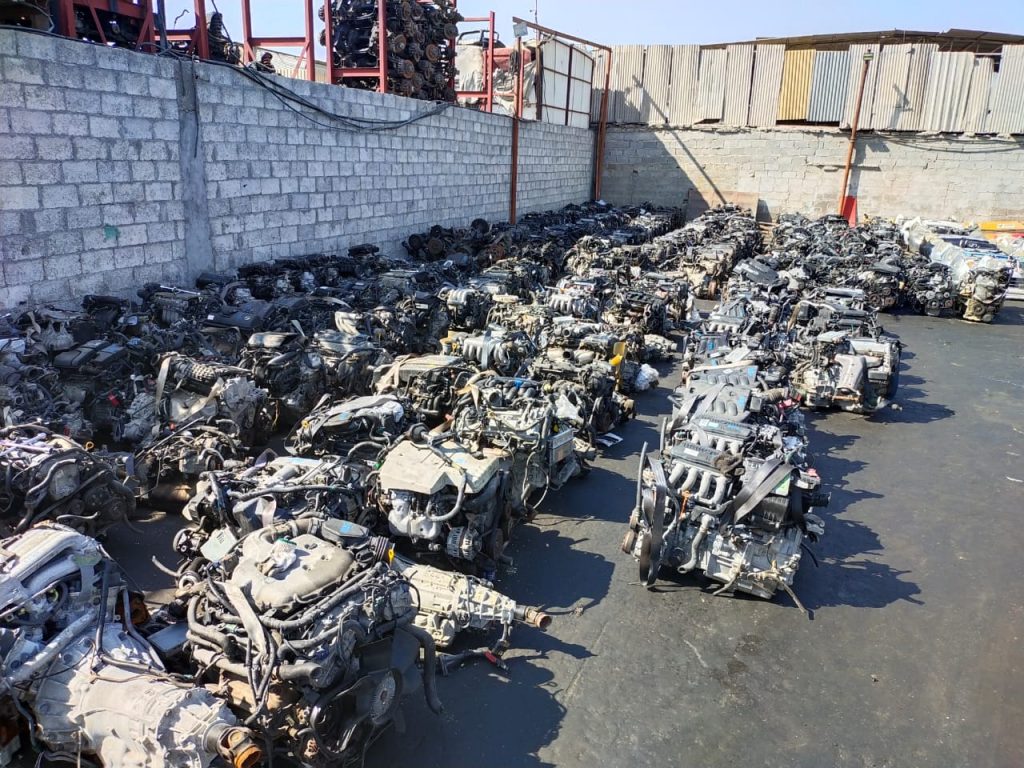
A used engine is pulled directly from a donor vehicle, usually one that was written off in an accident or scrapped. It goes through basic checks, gets cleaned up, and is sold as-is.
What you get with a used engine:
- An engine with unknown internal wear
- No guarantee on piston rings, bearings, or seals
- Declared mileage, but unverified internal condition
- Lower upfront cost
Used Range Rover engines in the UK typically cost £800 to £2,500 depending on the model and mileage. A 3.0 TDV6 used unit for a Range Rover Sport sits around £1,200 to £1,800.
The risk is straightforward. You buy the engine’s history along with it. If the previous owner ran it low on oil or overheated it, you inherit those problems.
What Is a Reconditioned Engine?
A reconditioned engine is stripped to its core components. Each part is inspected, measured, and either replaced or machined back to manufacturer tolerances.
The reconditioning process includes:
- Full strip-down and cleaning
- Replacement of piston rings, bearings, and seals
- Cylinder head pressure testing and skimming if needed
- Crankshaft grinding or replacement
- New gaskets and timing components
- Reassembly and testing before dispatch
A reconditioned Range Rover engine costs more upfront. Prices range from £2,000 to £5,000 depending on the engine type. A reconditioned 4.4 V8 for a Range Rover Vogue runs around £3,500 to £4,500 fitted.
The internal condition is known. The work has been done. You are not guessing.
Key Differences Side by Side
| Factor | Used Engine | Reconditioned Engine |
| Internal condition | Unknown | Inspected and restored |
| Effective mileage | Carries original wear | Reset to zero wear |
| Warranty | 3 to 6 months typically | 6 to 24 months typically |
| Upfront cost | Lower | Higher |
| Risk of early failure | Higher | Lower |
| Lifespan after fitting | Unpredictable | Predictable |
Which Fails More Often?
Used engines carry a higher risk of early failure. Common failure points include:
- Worn piston rings causing oil burning
- Failing big-end bearings
- Degraded seals leading to oil leaks
- Cracked cylinder heads not caught during basic inspection
Range Rover engines, particularly the TDV6 and V8 petrol units, are sensitive to maintenance history. A used engine from a vehicle that skipped oil changes shows problems within 6 to 12 months of fitting.
Reconditioned engines, done properly, perform closer to new. Specialists check bore sizes against OEM specs, pressure test cylinder heads, and replace every wear item. The failure rate is significantly lower.
When a Used Engine Makes Sense
A used engine is a reasonable choice in specific situations:
- Your Range Rover is older with low market value (under £3,000)
- You need a short-term fix and plan to sell the vehicle soon
- The used unit has low, verified mileage (under 40,000 miles) from a known source
- Budget is the primary constraint
If your vehicle is a 2005 Range Rover Sport worth £4,000, spending £4,500 on a reconditioned engine does not make financial sense. A good used unit at £1,500 fitted gets the job done.
When a Reconditioned Engine Makes Sense
Go with a reconditioned engine when:
- Your Range Rover has significant remaining value
- You plan to keep the vehicle for 3 or more years
- The model is from 2012 onwards
- You want a warranty you trust
A 2018 Range Rover Velar with a 2.0 Ingenium engine is worth keeping properly. A reconditioned unit with a 12-month warranty gives you reliability without the cost of buying new.
What to Check Before You Buy Either Option
For a used engine, ask:
- What was the donor vehicle’s mileage?
- Has the engine been compression tested?
- Does it come with any warranty?
- Who pulled the engine and how was it stored?
For a reconditioned engine, ask:
- What does the reconditioning process include?
- Is the cylinder head included and pressure tested?
- What warranty is offered and what does it cover?
- Does it include timing components?
A reputable specialist answers these without hesitation. If they cannot tell you what work was done, walk away.
The Total Cost Comparison
Do not compare purchase price alone. Factor in the full cost:
- Engine purchase price
- Labour for fitting (typically £400 to £800 for a Range Rover)
- Oil, coolant, and ancillaries at fitting (£100 to £200)
- Potential repair costs if a used engine fails within 12 months
A used engine at £1,500 plus £600 labour equals £2,100. If it fails at 8 months and needs replacing, you spend another £2,100. That is £4,200 for two engines and two labour bills.
A reconditioned engine at £3,000 plus £600 labour equals £3,600, with a 12-month warranty covering failure. Over two years, reconditioned is cheaper.
The Bottom Line
Used engines are cheaper upfront. Reconditioned engines are cheaper over time.
For a high-value Range Rover you plan to keep, reconditioned is the smarter choice. For an older, lower-value vehicle where you need a short-term solution, a verified used engine from a trusted supplier works.
Know what you are buying. Ask the right questions. Choose a specialist who stands behind their work with a real warranty.
FAQs
Q: How long does a reconditioned Range Rover engine last? A properly reconditioned engine, maintained correctly, lasts 100,000 to 150,000 miles. Internal components are restored to OEM tolerances, so lifespan is comparable to a new engine.
Q: Is a reconditioned engine the same as a rebuilt engine? The terms are often used interchangeably. A reconditioned engine has been stripped, inspected, and restored using new wear components. Always confirm what work was done specifically.
Q: What warranty should I expect on a reconditioned Range Rover engine? Reputable suppliers offer 6 to 24 months. A 12-month parts and labour warranty is standard for quality reconditioned units in the UK.
Q: Does a used engine affect my Range Rover’s service history? Fitting any non-original engine shows in a full service history check. It does not void the vehicle’s MOT, but it affects resale value.
Q: Which Range Rover engines are most commonly reconditioned? The 3.0 TDV6, 4.4 V8, 306DT, and 2.0 Ingenium diesel are the most commonly reconditioned units in the UK.
Q: Is it worth reconditioning an engine on an older Range Rover? It depends on vehicle value. If the car is worth £6,000 or more, reconditioning makes sense. Below £3,000, a quality used engine is a more practical choice.
Q: How do I verify the mileage on a used engine? Ask for the donor vehicle’s registration and run a history check. A reputable supplier provides this without hesitation.
Q: What is the most reliable Range Rover engine? The 3.0 TDV6 306DT diesel is widely regarded as the most reliable unit when maintained properly.
Q: Where is the best place to buy a reconditioned Range Rover engine in the UK? Look for a specialist who specializes in Land Rover and Range Rover engines. Generalist engine suppliers lack the model-specific knowledge needed for accurate reconditioning.
Q: Does fitting a reconditioned engine void my Range Rover warranty? If your vehicle is still under manufacturer warranty, fitting a non-OEM engine voids it. On an out-of-warranty vehicle, it has no effect on MOT or roadworthiness.