Introduction
Your property’s foundation is one of its most important structural components. It supports the entire building and helps keep walls, floors, and roofs stable for years to come. However, foundation damage often develops gradually, making it easy to overlook the early warning signs until repairs become expensive.
Recognizing the signs of foundation problems early can help homeowners and commercial property owners prevent further structural damage, improve safety, and reduce long-term repair costs. Whether your property is in Washington, DC, Maryland, Virginia, or Florida, changing soil conditions, moisture, and natural settling can all affect foundation performance. Understanding what to watch for is the first step toward protecting your investment.
Why Foundation Problems Develop
Foundations are designed to support heavy loads, but they rely on stable soil conditions. Over time, several factors can affect the ground beneath a structure and create movement that leads to foundation damage.
Common causes include:
- Expansive clay soils that swell and shrink with moisture changes
- Poor drainage around the building
- Plumbing leaks beneath the foundation
- Tree roots drawing moisture from surrounding soil
- Improper site grading
- Natural settlement over time
- Extreme weather conditions and flooding
While some minor settlement is expected in most buildings, excessive movement often results in structural issues that should be evaluated by experienced structural engineers.
Common Signs of Foundation Problems
Cracks in Walls and Ceilings
One of the most noticeable signs of foundation problems is cracking inside the building. Small hairline cracks may occur as a home naturally settles, but larger diagonal cracks, stair-step cracks in masonry, or widening gaps around windows and doors often indicate structural movement.
Pay close attention if cracks continue growing over time or appear in multiple locations throughout the property.
Doors and Windows That Stick
If doors suddenly become difficult to open or windows no longer close properly, foundation movement may be changing the shape of the building frame.
Although humidity can sometimes cause similar issues, widespread sticking doors and windows combined with visible wall cracks may suggest foundation settlement that requires professional evaluation.
Uneven or Sloping Floors
Floors should generally feel level and stable. If you notice sloping floors, soft spots, or areas that bounce while walking, the underlying foundation may have shifted.
In older homes, minor unevenness is common, but noticeable changes that develop over time deserve further investigation.
Exterior Foundation Cracks
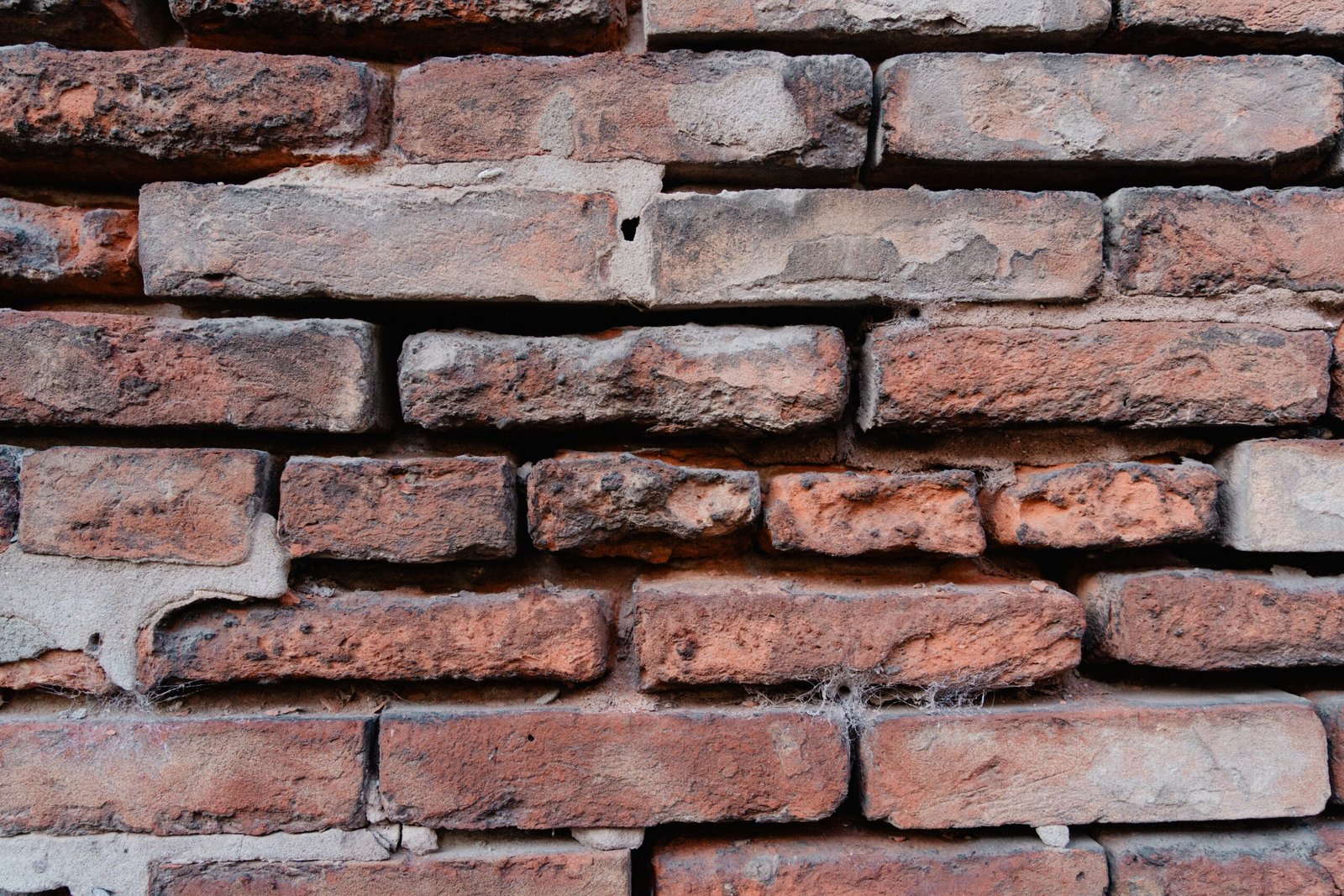
Inspect the exterior foundation walls regularly. Horizontal cracks, large vertical cracks, or stair-step cracks in brick or concrete block walls may indicate structural stress.
Water entering these cracks can worsen damage over time, making early assessment especially important.
Other Warning Signs You Shouldn’t Ignore
Foundation issues rarely appear as a single symptom. Instead, multiple warning signs often develop together.
Additional indicators include:
- Gaps between walls and ceilings
- Separation around door or window frames
- Chimneys leaning away from the house
- Bowing basement walls
- Water intrusion in crawl spaces or basements
- Cabinets or countertops separating from walls
- Visible gaps around exterior trim
When several of these symptoms occur simultaneously, it’s wise to arrange a professional structural inspection rather than assuming they’re cosmetic problems.
Why Professional Evaluation Matters
Many homeowners mistakenly believe every crack means foundation failure, while others ignore serious structural warning signs until extensive repairs become necessary.
A licensed structural engineering firm can determine whether observed movement is part of normal settlement or evidence of a more significant structural issue. Engineers evaluate crack patterns, foundation movement, soil conditions, drainage, and load paths before recommending appropriate solutions.
This objective assessment helps property owners avoid unnecessary repairs while ensuring genuine structural concerns receive timely attention.
For complex residential or commercial projects, reviewing your provider’s structural engineering services and foundation assessment capabilities can help you understand the inspection process before scheduling an evaluation.
Preventing Future Foundation Damage
Although not every foundation issue can be prevented, proper maintenance significantly reduces risk.
Maintain consistent moisture levels around the property, ensure gutters direct water away from the building, repair plumbing leaks promptly, and keep landscaping from interfering with foundation walls.
Routine inspections are particularly valuable after severe storms, extended droughts, or major flooding events. Catching small problems early often prevents larger structural repairs later.
If you’re planning renovations, additions, or site improvements, consulting structural engineering professionals before construction begins can also help protect your foundation from future issues.
Frequently Asked Questions
What are the first signs of foundation problems?
The earliest warning signs typically include small wall cracks, sticking doors and windows, uneven floors, and minor gaps around trim. Monitoring whether these conditions worsen over time is important.
Are all foundation cracks serious?
No. Hairline shrinkage cracks are often normal in concrete. However, large, widening, horizontal, or stair-step cracks should be evaluated by a qualified structural engineer.
Can poor drainage cause foundation problems?
Yes. Excess water can soften supporting soil, while prolonged dry conditions can cause soil shrinkage. Both situations may contribute to foundation movement.
Should I buy a property with foundation issues?
Not necessarily. Many foundation problems can be repaired successfully. Before purchasing, obtain an independent structural engineering evaluation to understand the severity and expected repair requirements.
When should I contact a structural engineer?
If you notice multiple signs of foundation problems, rapidly growing cracks, sloping floors, or recurring structural movement, scheduling a professional evaluation is the safest course of action.
Conclusion
Recognizing the signs of foundation problems early allows property owners to address structural concerns before they become more costly and disruptive. From wall cracks and uneven floors to sticking doors and foundation settlement, these warning signs should never be ignored.
Professional structural evaluations provide clear, objective recommendations based on engineering expertise rather than assumptions. Whether you’re maintaining an existing property, purchasing a new one, or planning renovations, working with experienced structural engineers helps protect the long-term safety, value, and performance of your building. Consider exploring your engineering firm’s structural evaluation, geotechnical, and permitting services to ensure your property receives the expert guidance it needs.