A football match once generated its loudest reactions inside the ground or on the journey home. Now, the first response to an incident often appears online before play has even restarted. This shift does not diminish the importance of the stadium; instead, it extends the noise of the match into group chats, social media timelines, and communities that continue long after full-time. While quick reactions have their advantages, capturing the excitement of the moment, they also have limits, as early certainty can fade when a replay or broader context becomes available.
The Shared Experience of an Immediate Moment
A goal creates a recognizable sequence online, lighting up screens, prompting instant messages, and turning a brief clip into a focal point of many conversations. Fan communities add a local flavor to these reactions, allowing friends who watch separately to recreate the shared rhythm through jokes, voice notes, and familiar phrases. This shared language enhances football’s appeal, transforming minor details, such as a misplaced pass, into references that can resonate for weeks. The liveliest discussions remain open to revision, as perspective and patience are essential when everyone reacts before seeing the same evidence.
Goals, Substitutions, and VAR Decisions Travel Instantly
Goals remain the most immediate trigger because their meaning is obvious in the moment. Even then, a delayed flag or review can turn celebration into a pause filled with speculation.
In the broad stream of match-related information, betting is one term that may appear alongside fixtures, scores, and discussion.
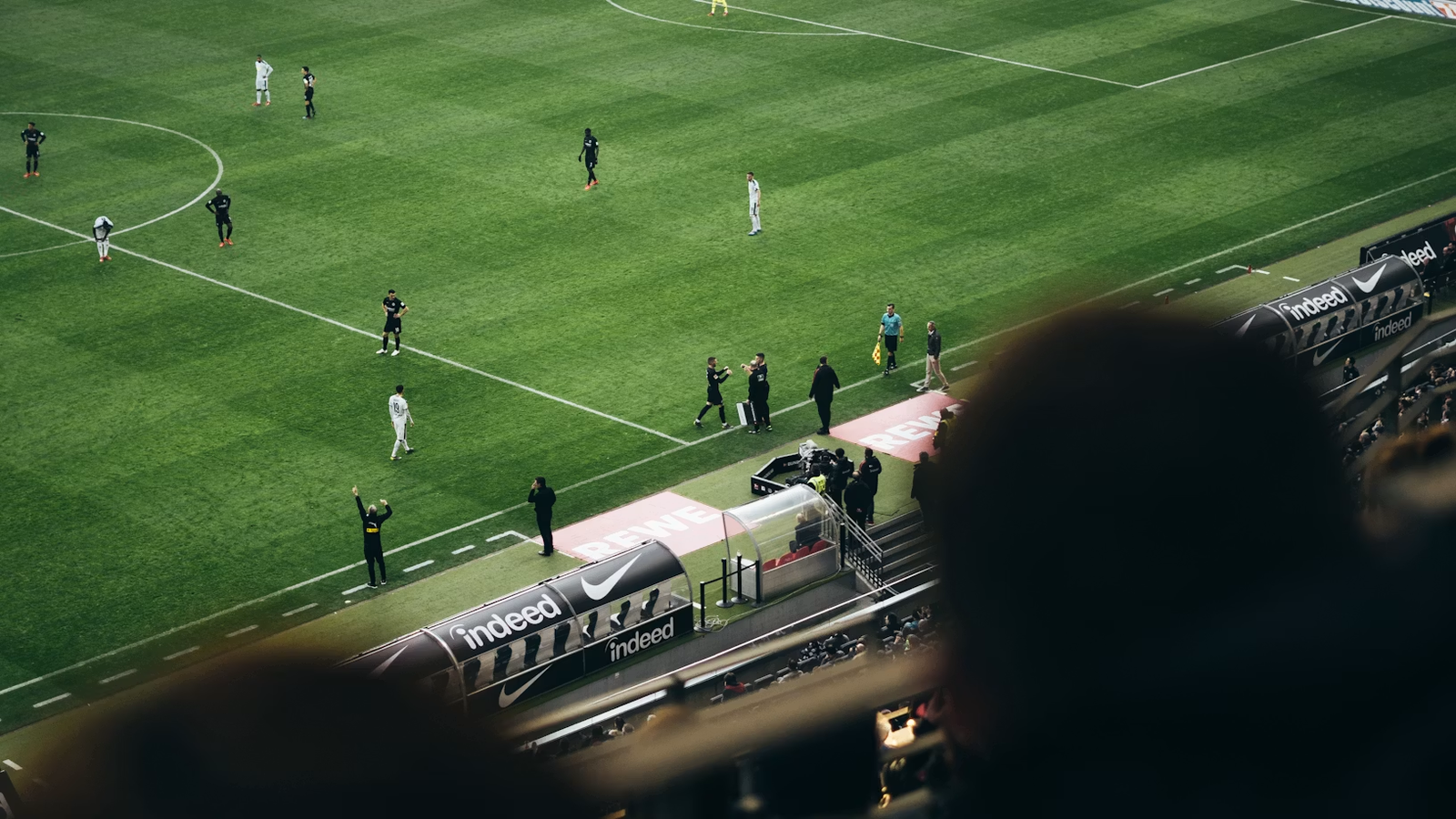
Substitutions prompt a unique response, inviting supporters to interpret intentions, whether a change protects a lead, addresses a weakness, or signals a new attacking plan. Sometimes, a substitution may seem puzzling until one observes the subsequent passages of play; often, it reflects a strategic attempt to manage space rather than to chase the ball. Meanwhile, VAR decisions create their own online rhythm, as the waiting period encourages close examination of images and angles, leading supporters to share stills and debate what they reveal.
This scrutiny can foster thoughtful analysis, but it can also amplify partial evidence, since a cropped frame rarely captures the full movement and timing. Ultimately, the most constructive discussions acknowledge this uncertainty. Replays are valuable tools, but they do not eliminate the need to understand the sequence of events surrounding a decision.
Communities That Keep the Match Moving
Online football communities operate at different speeds: some messages are quick and playful, while longer posts come later as people have time to reflect on the match. Both types are valuable; quick posts capture immediate feelings, and later reflections explain any changes in perspective. Moderators, writers, and regular contributors often help set the tone, providing context that enhances the experience without diminishing the fun of an exciting afternoon.
A good community handles disagreement without treating it as a personal contest, much like football, which allows for various interpretations of formations, referee calls, and player roles. The volume of reactions can make every incident seem decisive, but stepping back from social media feeds often shows that a match is shaped just as much by quieter moments as by viral highlights.
This is especially true when one team gradually controls territory or wins repeated second balls; rhythm may not produce instant highlights, but it often explains why the final stages unfold as they do. While the fastest reactions now often occur off the pitch, they remain connected to the game, and their value is greatest when excitement is paired with patience, giving the match room to tell its full story rather than rushing to immediate judgments. Football will continue to generate moments that demand quick responses, but supporters should focus on allowing the game to unfold and explain itself beyond initial impressions.