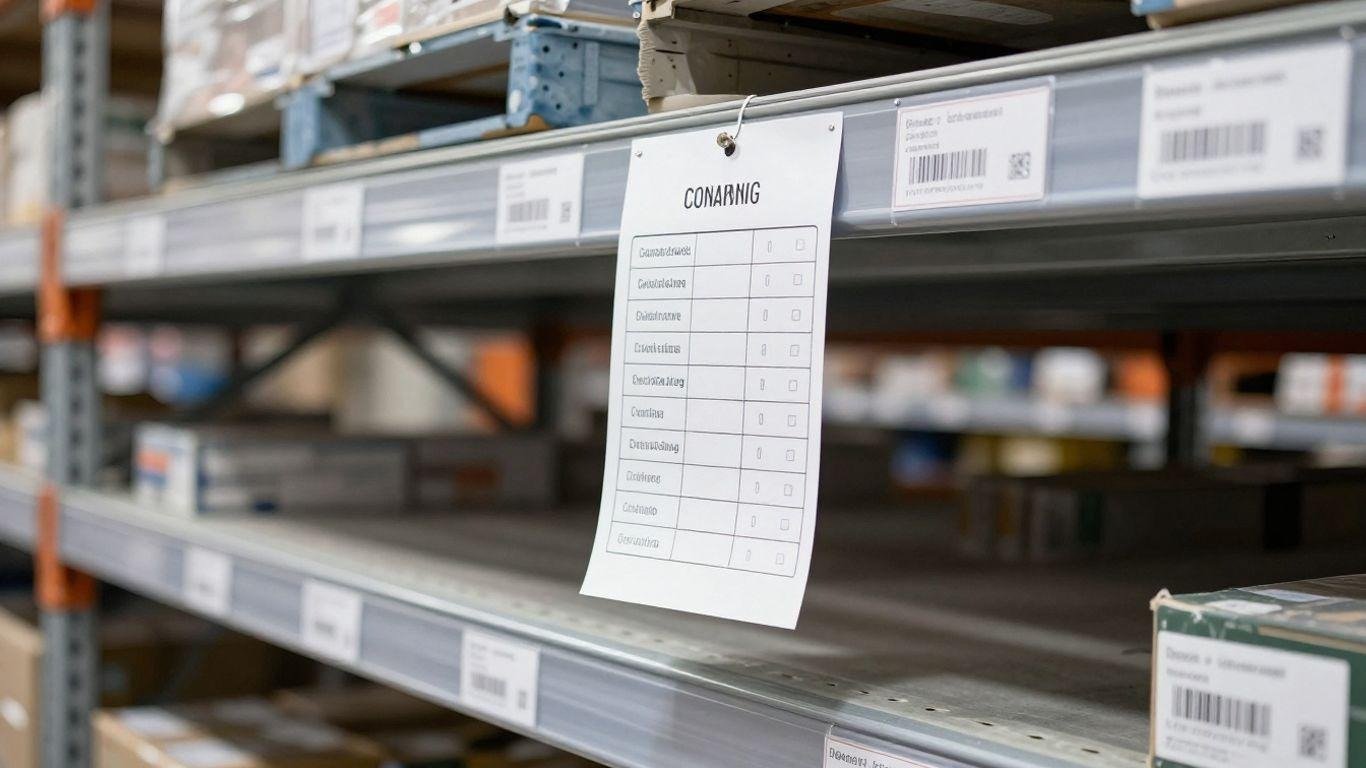
Warehouse operations succeed when information flows seamlessly from the physical floor to the digital management system. Many managers find that subtle gaps in communication create significant hurdles for workers during peak seasons. When location indicators are absent or confusing, even the most skilled teams struggle to maintain pace.
Identifying the root causes of picking errors
Picking mistakes often stem from ambiguity in location naming or poor visual tracking. When aisles look identical and bin locations lack clear marking, staff rely on intuition rather than precise data. This uncertainty leads to double-checking products, which consumes valuable time and eventually wears down worker morale.
How visual cues decrease cognitive load for pickers
Visual cues serve as shorthand for logistics staff, significantly reducing the mental effort required to navigate complex aisles. By presenting information in a predictable, high-contrast format, a warehouse becomes easier to navigate intuitively. This transformation helps staff focus on order accuracy instead of deciphering cryptic labels.
Quantifying the impact of labeling on warehouse throughput
Measuring throughput often reveals that clear labeling is the most effective way to improve picking speed. Facilities that implement consistent systems report fewer returns and faster cycle times during inventory audits. The gains in daily efficiency often pay for the labeling investment within the first few months of operation.
Types of warehouse racking labels and their applications
Selecting the right material for inventory markers is as important as the placement itself. Different areas of a facility face unique environmental challenges, from extreme temperature shifts to high-impact forklift traffic. Choosing a durable solution ensures that information remains readable throughout the full lifecycle of the rack.
Permanent adhesive labels for static storage
Static storage areas benefit from labels that stay in place for years without curling or peeling. High-quality adhesives bond effectively to clean metal, preventing the need for frequent replacements. These labels form the backbone of a stable and reliable inventory system.
Magnetic warehouse labels for flexible inventory management
Facilities with frequently shifting floor plans often utilize Camcode magnetic warehouse labels to adapt without leaving a mess. These markers allow teams to reconfigure shelving units for seasonal inventory fluctuations or temporary overflow storage. The magnetic backing provides a firm grip while allowing for quick removal when layouts change.
Retro-reflective barcode labels for long-range scanning
In high-racks where forklifts operate, scanning from a distance is necessary for safety and speed. Retro-reflective surfaces bounce the laser back to the scanner, ensuring that even distant codes are captured correctly. This technology is vital for maximizing vertical space usage without losing scanning accuracy.
Multi-level rack labels for vertical shelving efficiency
Vertical shelving requires a way to distinguish levels clearly to prevent items from being grabbed off the wrong shelf level. Many operations use horizontal or vertical multi-level markers to provide a clear reference for workers. This structure prevents common mistakes during high-reach picking operations:
- Bottom level uses dedicated high-visibility indicators.
- Middle shelves feature standard numeric sequences.
- Top racks utilize specialized long-range barcode strips.
- End-of-aisle signs provide a clear summary of top-level content.
Strategic placement for maximum visibility
Even the best labels fail if they are hidden from the operator’s line of sight during standard operation. Strategic placement relies on understanding the natural flow of movement through a row of shelving. Designers must consider both the physical position of the worker and the limitations of scanners.
Optimal eye-level placement for fast-moving items
High-frequency picking zones should feature labels directly at comfortable eye level. This minimizes neck strain and allows the picker to verify the product and the location in a single motion. When items move quickly, every second saved through ergonomic design counts.
Positioning labels to accommodate forklift scan heights
Drivers operating heavy equipment must be able to scan barcodes without leaving their cabs or tilting scanners awkwardly. Placing labels at the specific height of the forklift mast ensures a seamless scan process. This approach is standard for warehouses using heavy automation or reach trucks.
Managing visibility constraints in low-light environments
Dim corners or recessed shelving often make labels unreadable under basic factory lighting. Using high-visibility, reflective textures or strategically placed overhead auxiliary lights solves this problem effectively. Ensuring consistent lighting conditions is a prerequisite for any reliable scanning strategy.
Designing effective labels to prevent mispicks
Effective label design relies on combining readability with specific technical standards. A good label must stand out to the human eye while providing the strict data density required by scanning systems. Clarity in these details prevents the small errors that eventually build up into larger inventory issues.
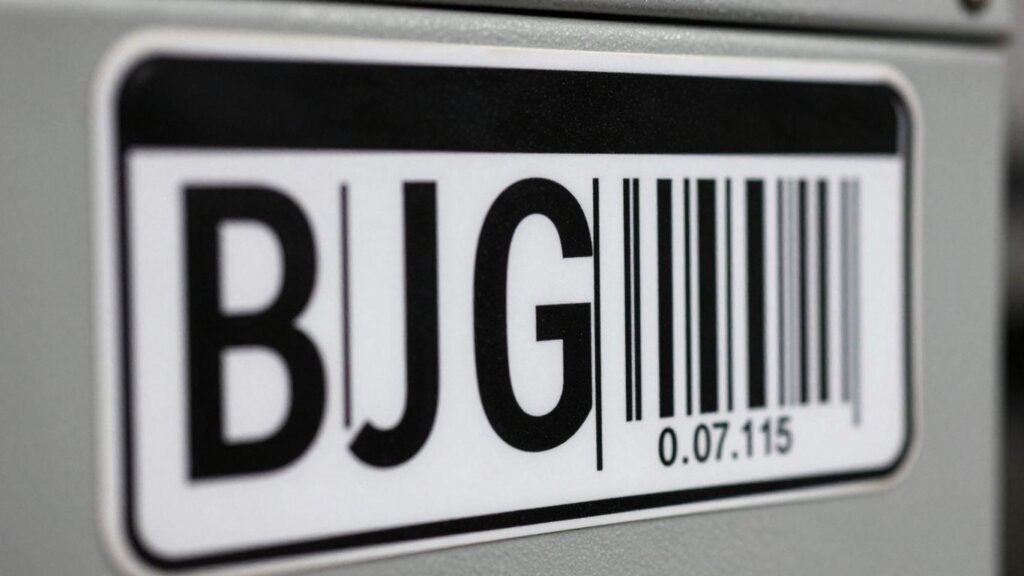
Balancing human-readable text with machine-readable barcodes
Labels should always feature a combination of text and codes to support different retrieval methods. Here is how standard design practices compare across different rack types:
| Label Type | Readability Priority | Best Use Case |
| Standard Barcode | High Machine Read | Fast Scan Zones |
| Large Alphanumeric | High Human View | Manual Aisles |
| Hybrid Label | Balanced View | Mixed Picking Zones |
Using large-font alphanumeric strings for rapid visual identification
Large fonts help workers identify the correct location from several feet away. A clear, sans-serif typeface combined with high-contrast colors makes these characters legible even in motion. This visual confirmation step is essential for reducing human error during the picking cycle.
Implementing directional arrows to guide picker movement through aisles
Directional signage acts as a map for the floor, ensuring workers move in a logical flow through the facility. Arrows can be integrated into rack labels to indicate where a sequence starts or ends. This simple guide helps new staff learn the layout quickly.
The role of color coding and standardizing protocols
Consistency in signage design transforms a chaotic room into a structured storage facility. When every worker knows that red implies an emergency zone or blue denotes a specific category, communication becomes instinctive. Standardizing these protocols reduces the dependency on tribal knowledge within the warehouse team.
Establishing a consistent color scheme for zones and aisles
Zonal color coding allows supervisors to manage different departments or inventory types at a glance. For instance, cold storage areas might be flagged with specific colors to distinguish them from standard ambient storage. This visual separation keeps items grouped logically and prevents contamination risks.
Simplifying complex warehouse layouts with logical sequencing
Logical sequences make it clear what the next step should be in a pick path. Aisle numbering should follow a predictable, intuitive pattern that does not force workers to zig-zag unnecessarily. When the layout makes sense, staff can navigate it without needing to consult digital maps at every turn.
Training staff to interpret standard signage systems for faster navigation
Even with the best system, success depends on training the people who use it every day. Staff should be familiar with the meaning of all labels, including safety warnings and location identifiers. Regular training updates ensure that new team members adapt to the warehouse standards quickly.
Durability and maintenance considerations for high-traffic areas
Warehouse environments punish materials, and labels are no exception to this reality. From physical bumps by transit carts to cleaning chemicals, harsh conditions degrade poorly built signage over time. Selecting durable, industry-grade markers is a form of risk mitigation for your inventory records.
Choosing materials resistant to industrial solvents and impacts
Using Camcode durable materials ensures that labels can withstand regular maintenance protocols without fading. Solvents used for cleaning should not cause barcodes to blur or text to disappear. If the information is not permanent, the integrity of your tracking system is essentially compromised.
Protecting high-wear labels with clear covers or recessed mounting
In corridors where forklifts pass frequently, labels are easily scraped or torn by passing pallets. Recessed mounting protects the label face from surface contact while keeping the barcode visible to scanners. Alternatively, clear protective covers act as a sacrificial layer that can be cleaned or peeled back.
Creating a schedule for routine audits and the replacement of damaged labels
An audit plan should dictate exactly when to inspect, clean, and replace damaged warehouse racking labels. Proactive replacement prevents the drift that happens when bad labels leads to incorrect picks. Keeping a stock of common identifiers ensures you can fix issues before they impact customer deliveries.
Conclusion
Implementing standardized signage is a foundational step for any facility looking to boost operational accuracy and speed. By choosing durable materials and thoughtful designs, managers create an environment where picking errors are minimized through clear, persistent visual communication.