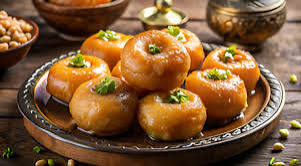
When it comes to diversity, there’s nothing that can beat the quintessential Indian delights. With 28 states and 8 union territories, the Indian subcontinent has unique and diversified taste profiles. Especially for sweets, desserts, and Mithais, the options are endless. Perhaps it is Sandesh, maybe a box of Dharwad Peda, or Kamarkattu, made with jaggery and coconut from the South. Such moments are easy to overlook, yet they show how deeply mithai is woven into everyday life in India.
Birthdays, weddings, festivals, religious occasions and visits from relatives all have their own sweet traditions, shaped by the place they come from. The guide here takes you through the different parts of India and the mithai associated with each to let you know how each of them has evolved.
What Can a Piece of Mithai Tell You About the Place It Comes From?
A regional sweet can reveal much more than local taste preferences. Take a closer look, and you will find clues about the ingredients people had access to, the climate they lived in and the skills passed down through generations.
- Local ingredients often leave the clearest mark. Coconut, rice and jaggery feature prominently in several southern traditions, while milk, ghee, gram flour and nuts appear frequently in northern and western preparations.
- Climate has its say too. Some sweets make use of ingredients or methods appropriate for warmer conditions, whereas winter traditions in parts of North India favour richer, slow-cooked preparations.
- The texture portrays another story. A sweet that has been pressed, layered, steamed, fried or slowly reduced conveys a particular cooking method that might have been refined locally over many years.
- Festivals and rituals offer sweets another layer of identity. Some are made as temple offerings, others are closely related to weddings, seasonal celebrations or a particular festival in one state.
- Even the name can point to its roots, linking a sweet with a town, community or regional food tradition. Consider an example: Mysore Pak has taken its name after Mysore in Karnataka, where the rich ghee-based sweet is believed to have originated.
How Does North Indian Mithai Reflect Its Rich Dairy and Winter Food Traditions?
North Indian mithai showcases the region’s deep connection with milk, ghee, nuts and slow-cooked preparations. Winter constitutes a major part of the sweet-making season, bringing delicious ingredients and warming flavours to festive tables.
- Punjab’s Pinni Ladoo is a good example of this combination, traditionally made with ingredients such as flour, ghee and nuts.
- Gajar ka Halwa shows how a seasonal ingredient can become a much-loved sweet. Carrots are slow-cooked with milk, sugar and ghee to create a rich taste associated with this North Indian winter favourite.
- Rajasthan adds a different style with Ghevar, a deep-fried disc made from flour and soaked in sugar syrup. It has a strong connection with Teej, establishing how regional mithai can become part of a specific festival.
- Uttar Pradesh brings sweets such as Balushahi and Petha into the regional picture. Agra’s Petha uses ash gourd while Balushahi is made with refined flour, ghee and yoghurt, showing how North Indian mithai can range from dairy-rich preparations to sweets based on vegetables and grains.
Why Do South Indian Mithais Taste and Feel So Different?
These mithais often bring rice, coconut, jaggery and milk into the same sweet tradition, which makes them significantly different from many Northern preparations. The cooking methods matter just as much, with steaming, slow cooking and careful tempering.
Karnataka Brings Ghee And Gram Flour To The Forefront
Mysore Pak is made with gram flour, ghee and sugar to develop a rich, crumbly texture through slow cooking and constant stirring. Karnataka has Dharwad Peda, a milk-based sweet with a distinct regional identity.
Tamil Nadu Turns Rice And Milk Into Something Celebratory
Paal Payasam keeps things simple with rice and milk, yet its place in temples and festive traditions gives it a deeper role than that of an everyday dessert.
Kerala Brings Coconut And Jaggery Into The Picture
Ilayappam shares another side of southern mithai, which merges rice-based preparation with coconut and jaggery. The result is softer and more steamed than many fried sweets, which lends your plate its exclusive character.
Why Is Eastern India So Closely Linked With Chhena, Milk and Jaggery?
Eastern India has built a strong sweet-making tradition around fresh chhena, milk and jaggery, with Bengal and Odisha producing some of the best-known regional mithai. Bengal is especially known for including chenna into sweets with amazingly different textures and finishes.
- Rasgulla uses soft chhena balls cooked in light sugar syrup to give the sweet its springy texture.
- Sandesh takes a simpler route, which combines fresh chhena with sugar and often cardamom before shaping it into small moulded pieces.
- Mihidana, specifically related to West Bengal, takes gram flour in a completely different direction. It consists of tiny, fine strands that are sweetened and served as a speciality.
- Nolen gur, or date palm jaggery, brings a distinctly seasonal flavour to eastern sweets and is used in preparations such as kheer.
Odisha brings its own magic to the plate with Rasabali and Chhena Poda. These help you witness how the same chhena can be fried, baked or cooked into something entirely varied.
What Makes Western Indian Mithai So Distinctive?
Western India gives mithai a specifically unique character, bringing together dairy, gram flour, nuts, yoghurt, jaggery and festive ingredients. The recipes range from dense and indulgent to cool and delicate. Gujarat and Maharashtra each have their own sweets, whose taste is determined by local customs and occasions.
Gujarat Turns Simple Ingredients Into Elaborate Indulgence
Mohanthal transforms gram flour, ghee and sugar into a fudge-like sweet, with cardamom, saffron and nuts adding fragrance and depth.
- Shrikhand is strained yoghurt in a smoother form, traditionally flavoured with saffron and cardamom. Its chilled texture makes it especially appealing in warmer weather when you are dehydrated.
- Ghari from Surat and associated with the Chandi Padvo festival combines puri batter, milk mawa, ghee and sugar, often finished with pistachios and almonds. Its richness gives the sweet a distinctly ceremonial presence.
Maharashtra Ties Mithai Closely To Ritual
Modak is the defining example here. The rich flour covering encloses coconut and jaggery, scented with cardamom or nutmeg. This fried or sweetened sweet is often made in most households during Ganesh Chaturthi. Here, mithai becomes part of the ritual itself, not just something that is served after a meal.
What Do the Northeast and Central Regions Add to India’s Mithai Map?
The Northeast and Central regions bring lesser-known sweets into the story of Indian food, often using local ingredients and deeply rooted regional customs. Their mithai traditions add colours, textures and flavours that are easy to miss when attention is mostly centred on the better-known sweet-making areas.
- Assam brings sweets such as Pukhlein and Komolar Kheer, combining ingredients such as rice and citrus.
- Arunachal Pradesh has Nap Naang, a regional speciality that highlights the food culture of the Northeast.
- Madhurjan Thongba is contributed by Manipur, introducing another layer to the region’s dessert traditions.
- Madhya Pradesh is represented by favourites like Khurma and Dehrori. Similarly, Bihar adds Thekua, Til Barfi and Silao Khaja to India’s regional repertoire.
- Ultimately, Uttarakhand’s Bal Mithai further shows how individual regions can develop a sweet closely associated with their own culinary identity.
Final Thoughts
A box of mithai can act as a quick tour from Punjab to Bengal, from Karnataka to Maharashtra and far beyond without you leaving the dining table. Every sweet embodies the traces of its ingredients and the hands that have made it over generations. It can finally be agreed that every bite of regional sweets possesses a map of home.