When a surname carries decades of cinematic weight, expectations tend to arrive before the person does. That’s exactly the situation Paula Pacino was born into. As the daughter of one of Hollywood’s most iconic actors, Al Pacino, Paula’s life has always been viewed through a lens of curiosity, assumption, and intrigue. Yet despite that enormous shadow, she has carved out a path that feels refreshingly personal, grounded, and intentionally understated.
Unlike many celebrity children who rush into the spotlight, Paula Pacino has chosen a quieter route—one that prioritizes craft, self-expression, and authenticity over instant fame. She hasn’t relied on spectacle or controversy, and she hasn’t tried to imitate her father’s legendary career. Instead, she has steadily explored acting, filmmaking, and storytelling on her own terms.
This article takes an in-depth look at Paula Pacino’s life, background, creative ambitions, and evolving identity. From her upbringing and education to her artistic choices and public image, we’ll explore how she balances legacy with independence. More importantly, we’ll examine why her slow-burn approach may be exactly what sets her apart in an industry obsessed with speed.
By the end of this deep dive, one thing becomes clear: Paula Pacino is not just “Al Pacino’s daughter.” She’s a creative force still unfolding—patiently, thoughtfully, and with intention.
Early Life and Family Background
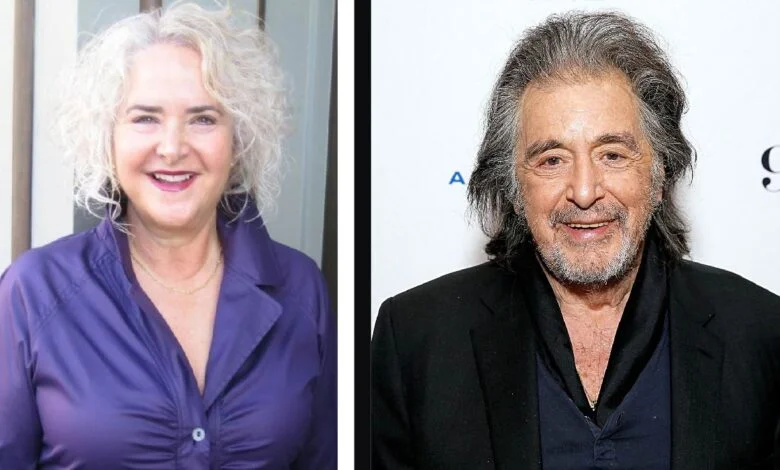
Paula Pacino was born on January 25, 1989, in the United States, into a family already deeply woven into Hollywood history. Her father, Al Pacino, is widely regarded as one of the greatest actors of all time, known for unforgettable performances in films like The Godfather, Scarface, Serpico, and Scent of a Woman. Her mother, Jan Tarrant, is an acting coach and former acting teacher, which means Paula was surrounded by the world of performance from both sides.
Growing up, Paula’s childhood was not defined by constant red carpets or paparazzi chaos. In fact, her parents were intentional about giving her a relatively private upbringing. While her last name inevitably opened doors, it also came with a responsibility to remain grounded—a value that clearly stuck. Paula was raised to appreciate discipline, education, and the importance of working for her achievements rather than expecting them.
Her relationship with her father has often been described as close yet respectful of boundaries. Al Pacino, known for being intensely private despite his fame, reportedly encouraged Paula to find her own voice rather than follow his footsteps blindly. This parental approach shaped her mindset early on, fostering independence rather than reliance on legacy.
Being part of a blended family also played a role in Paula’s development. She has half-siblings, including twins Anton James Pacino and Olivia Rose Pacino, which contributed to a broader family dynamic. This environment helped her understand individuality early—an essential trait for anyone growing up in a famous household.
Education and Personal Development
Education has always been a quiet but important part of Paula Pacino’s journey. Rather than skipping straight into Hollywood projects, she focused on building a solid academic and creative foundation. She attended college in the United States, where she studied subjects that complemented her artistic interests, including film, acting, and broader humanities.
What’s notable about Paula’s educational path is her commitment to learning the process behind storytelling, not just performance. She didn’t want to be someone who only knew how to act in front of a camera; she wanted to understand why stories work, how characters are built, and what makes an audience emotionally connect. This mindset naturally pushed her toward filmmaking and writing as well.
Her time in school also gave her the space to develop outside the Pacino name. In academic settings, she could simply be Paula—a student, a collaborator, a creative thinker. This separation from celebrity culture allowed her to experiment, fail, learn, and grow without constant public judgment.
Personal development for Paula has never been about rushing milestones. She has consistently chosen patience over pressure, believing that creative maturity cannot be forced. This belief continues to influence her professional decisions today, particularly in an industry that often rewards visibility over substance.
Stepping Into Acting on Her Own Terms
Paula Pacino’s entry into acting was gradual and intentional. Unlike many celebrity children who debut in high-profile roles, she started with smaller projects, short films, and independent productions. These early roles allowed her to refine her skills without overwhelming expectations.
One of the most important aspects of Paula’s acting journey is her refusal to imitate her father’s style. Al Pacino is famous for intense, explosive performances, while Paula leans toward subtlety and emotional realism. Her acting choices suggest a preference for internal conflict and quiet storytelling rather than dramatic theatrics.
By working in independent cinema, Paula gained hands-on experience that many mainstream actors miss. Smaller sets require adaptability—you often contribute creatively beyond your role, learning about lighting, camera work, and script development. This exposure strengthened her understanding of filmmaking as a collaborative art rather than a spotlight-driven one.
Critics and audiences who have seen her work often note her natural screen presence. There’s a calm confidence to her performances that feels authentic rather than rehearsed. She doesn’t try to “prove” herself, and that restraint makes her acting feel honest and grounded.
Exploring Filmmaking and Creative Control
Acting is only one part of Paula Pacino’s creative identity. Over time, she has shown increasing interest in filmmaking, particularly behind the camera. Writing, producing, and developing stories give her the control she values—control over narrative, tone, and representation.
Her approach to filmmaking is thoughtful and detail-oriented. Rather than chasing trends, she gravitates toward character-driven stories that explore identity, relationships, and emotional complexity. These themes reflect her own life experience, especially growing up between public legacy and private selfhood.
Independent filmmaking also aligns with Paula’s values. It allows for artistic freedom and minimizes commercial pressure. While this route may be slower and less lucrative, it offers creative integrity—something she clearly prioritizes.
As her career evolves, it wouldn’t be surprising to see Paula Pacino transition more fully into directing or producing. Her background, education, and personal philosophy all point toward a long-term commitment to storytelling rather than short-term fame.
Public Image and Media Presence
Paula Pacino’s public image is notably low-key, especially compared to other celebrity offspring. She maintains a limited social media presence and avoids oversharing personal details. This intentional distance from constant visibility helps her maintain a sense of normalcy.
When she does appear in public or speak in interviews, she comes across as articulate, thoughtful, and self-aware. She acknowledges her privilege without letting it define her identity. This balance has earned her quiet respect rather than sensational headlines.
Media coverage of Paula often focuses on her lineage, but she consistently redirects attention toward her work. She doesn’t deny her background, yet she doesn’t allow it to overshadow her individuality. This mature handling of fame suggests emotional intelligence and long-term thinking.
In an era where personal branding often feels forced, Paula’s restraint is refreshing. She understands that mystery can be powerful—and that letting the work speak for itself often creates deeper impact.
Relationship With Al Pacino and Legacy Pressure
Being Al Pacino’s daughter is both a privilege and a challenge. The expectations are enormous, and comparisons are inevitable. Paula has addressed this reality with honesty, acknowledging the pressure while refusing to be paralyzed by it.
Her relationship with her father appears supportive and respectful. Al Pacino has publicly expressed pride in his children, and there’s no indication that he has pushed Paula into the industry. Instead, he seems to have encouraged independence—a rare and valuable gift in Hollywood families.
Rather than trying to surpass or replicate her father’s achievements, Paula has chosen a different metric for success. For her, fulfillment comes from creative authenticity, not box office numbers or awards. This mindset shields her from the destructive side of legacy pressure.
Ultimately, Paula Pacino’s story is not about escaping her last name—it’s about redefining what it means. She honors the legacy by being true to herself rather than copying it.
Personal Life and Values
Paula Pacino is deeply private about her personal life, and that privacy appears to be a conscious value rather than avoidance. She believes that creativity thrives in protected spaces, away from constant scrutiny.
Her values emphasize emotional honesty, meaningful relationships, and personal growth. Friends and collaborators often describe her as introspective, curious, and grounded—qualities that are increasingly rare in fast-paced creative industries.
She also appears to be socially aware, with an interest in meaningful conversations rather than surface-level trends. This intellectual curiosity influences her storytelling, adding depth and nuance to her creative output.
By prioritizing inner life over external validation, Paula has built a stable foundation—one that allows her to navigate fame without being consumed by it.
Career Challenges and Industry Reality
Like any artist, Paula Pacino faces challenges. Breaking out of a famous surname can be just as difficult as benefiting from it. Casting directors may have assumptions, audiences may be skeptical, and critics may be harsher.
However, Paula’s response to these challenges has been consistent: patience, preparation, and persistence. She understands that credibility is earned through sustained effort, not shortcuts.
The independent path she’s chosen is not easy. Funding is limited, exposure is slower, and recognition takes time. But this path also builds resilience—an essential trait for long-term success.
Rather than fighting the industry, Paula is learning how to navigate it wisely, choosing growth over visibility and depth over hype.
Future Prospects and Long-Term Vision
Looking ahead, Paula Pacino’s future feels intentionally open-ended. She is not boxed into a single role or career label. Whether she continues acting, focuses on directing, or expands into writing and producing, her trajectory suggests steady evolution.
What makes her prospects particularly interesting is her long-term mindset. She’s not chasing viral moments or quick fame. She’s building a body of work—one that may take years to fully emerge but will likely stand the test of time.
As audiences increasingly value authenticity and nuanced storytelling, Paula’s approach feels well-timed. The industry is shifting, and creators like her—who prioritize substance—are becoming more relevant.
Her story is still being written, and that’s what makes it compelling. Paula Pacino represents the idea that success doesn’t have to be loud to be meaningful.
Final Thoughts: More Than a Famous Name
Paula Pacino’s journey is a powerful reminder that legacy does not define destiny. While her last name opened doors, it’s her choices that determine where she walks through them.