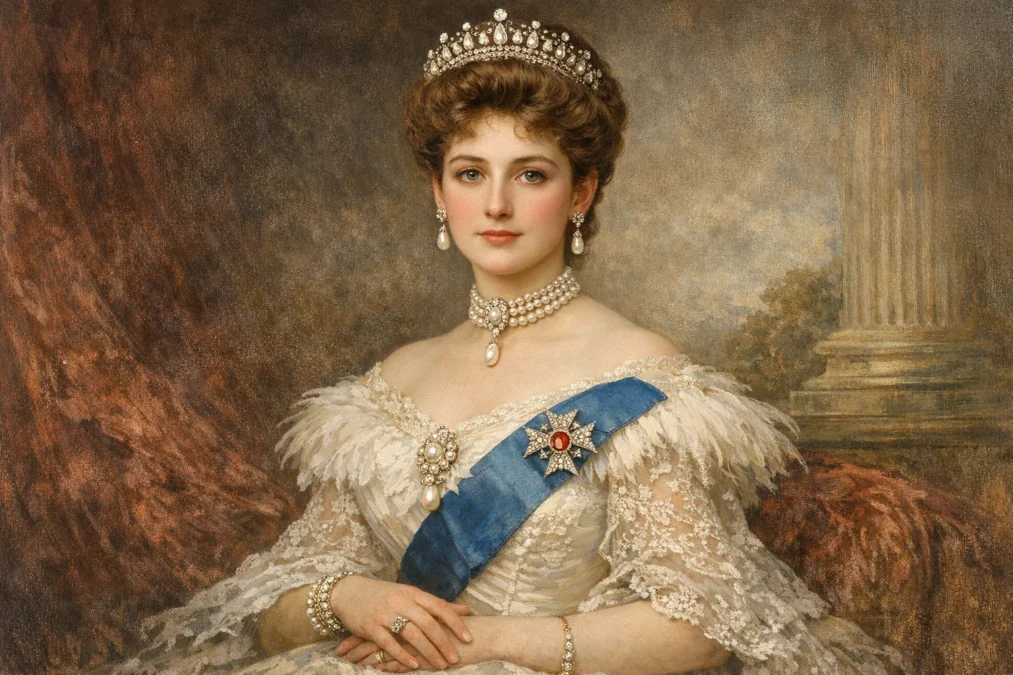
Introduction to Elizabeth Mary Wilhelmina Bentinck
Elizabeth Mary Wilhelmina Bentinck is a name that resonates strongly within aristocratic European history, particularly in connection with the influential Bentinck family. While she may not be as widely discussed as monarchs or political leaders, her life represents a meaningful intersection of nobility, cultural legacy, and social evolution. Figures like Elizabeth Mary Wilhelmina Bentinck often played crucial roles behind the scenes, shaping family alliances, preserving traditions, and influencing the social fabric of their time.
Understanding Elizabeth Mary Wilhelmina Bentinck requires more than a surface-level glance at genealogical records. Her identity is tied deeply to the broader historical context of European aristocracy, where lineage, reputation, and responsibility were central to daily life. Through her family connections, upbringing, and social position, she embodied the values and expectations placed upon noblewomen during a transformative period in European history.
This article takes a comprehensive look at Elizabeth Mary Wilhelmina Bentinck, examining her background, family heritage, societal role, and lasting significance. Rather than treating her as a mere footnote, this exploration presents her as an individual shaped by — and contributing to — a world defined by tradition, refinement, and gradual change.
The Bentinck Family Legacy and Noble Roots
The Bentinck family holds a prominent place in European aristocratic history, particularly in the Netherlands and the United Kingdom. Originating from Dutch nobility, the Bentincks rose to prominence through political service, royal favor, and strategic marriages. By the time Elizabeth Mary Wilhelmina Bentinck was born, the family name already carried centuries of prestige, responsibility, and influence.
Members of the Bentinck lineage were often closely associated with royal courts, diplomatic missions, and governance. Their estates, titles, and social connections placed them among the elite, making the family both admired and scrutinized. For someone like Elizabeth Mary Wilhelmina Bentinck, being born into such a lineage meant inheriting not only wealth and status but also expectations of decorum, intellect, and social contribution.
The family’s history also reflects the broader political shifts of Europe. From monarchies to constitutional reforms, the Bentincks adapted to changing times while preserving their core identity. Elizabeth Mary Wilhelmina Bentinck grew up within this environment of tradition blended with subtle modernization, where preserving heritage was just as important as navigating new societal realities.
This noble foundation shaped her worldview and daily life. Education, social etiquette, and moral conduct were emphasized, preparing her for a role that extended beyond personal ambition. Her family name alone placed her in a position where her actions, relationships, and choices carried lasting significance.
Early Life and Upbringing of Elizabeth Mary Wilhelmina Bentinck
Elizabeth Mary Wilhelmina Bentinck’s early life was defined by structure, privilege, and careful guidance. Raised within an aristocratic household, her childhood likely revolved around private education, cultural refinement, and close supervision. Unlike ordinary upbringing, noble childhoods were designed to prepare individuals for lifelong roles tied to family honor and public perception.
Education played a central role in her formative years. Young noblewomen were often taught languages, literature, history, music, and fine arts. These subjects were not merely hobbies but essential tools for engaging in high society. Elizabeth Mary Wilhelmina Bentinck’s intellectual development would have been encouraged, particularly in areas that enhanced social grace and conversational ability.
Beyond academics, moral instruction was equally important. Values such as loyalty, dignity, discretion, and responsibility were instilled from an early age. For Elizabeth Mary Wilhelmina Bentinck, these teachings shaped her character and influenced how she navigated relationships and obligations throughout her life.
Her upbringing also exposed her to influential social circles. Family gatherings, formal events, and interactions with other noble families provided early lessons in diplomacy and social awareness. These experiences helped mold her into a figure capable of representing her family with elegance and confidence.
Social Position and Role Within Aristocratic Society
Elizabeth Mary Wilhelmina Bentinck occupied a clearly defined yet influential role within aristocratic society. While noblewomen were often excluded from formal political power, their social influence was undeniable. Through hosting events, forming alliances, and maintaining family connections, women like Elizabeth played a critical role in sustaining aristocratic networks.
Her position required a balance of visibility and restraint. Public appearances demanded elegance and composure, while private interactions required emotional intelligence and discretion. Elizabeth Mary Wilhelmina Bentinck’s social presence would have reflected her family’s standing, reinforcing the Bentinck reputation across social and cultural spaces.
Marriage, in particular, was a significant aspect of her societal role. Aristocratic marriages were rarely based solely on personal affection; they often strengthened political, financial, or social ties. Regardless of her personal circumstances, Elizabeth’s marital status would have been closely tied to family strategy and long-term legacy.
Additionally, her role extended into philanthropy and patronage. Noblewomen frequently supported charitable causes, religious institutions, and cultural initiatives. Through these efforts, Elizabeth Mary Wilhelmina Bentinck would have contributed to community welfare while reinforcing the moral authority of her social class.
Cultural Influence and Personal Interests
Despite rigid expectations, many aristocratic women cultivated personal interests that subtly influenced culture and society. Elizabeth Mary Wilhelmina Bentinck was no exception. Within the boundaries of her position, she likely engaged deeply with literature, music, art, or intellectual discourse, all of which were considered appropriate and valuable pursuits.
Cultural engagement was not purely recreational. It was a way to demonstrate refinement, intellect, and leadership. Hosting salons, supporting artists, or participating in intellectual conversations allowed noblewomen to shape cultural trends without overt political involvement. Elizabeth’s tastes and preferences may have influenced artistic patronage or social discussions within her circle.
Personal interests also provided a sense of individuality. While her public identity was shaped by family and tradition, private passions allowed Elizabeth Mary Wilhelmina Bentinck to express herself beyond societal expectations. These pursuits offered balance and personal fulfillment within an otherwise structured life.
Such cultural involvement also contributed to legacy. Art collections, letters, or educational initiatives supported by noblewomen often outlived them, becoming part of family history. Elizabeth’s cultural footprint, though subtle, would have added depth to her historical presence.
Life During a Period of Social Change
Elizabeth Mary Wilhelmina Bentinck lived during a time when European society was gradually evolving. Traditional aristocratic dominance faced challenges from industrialization, political reform, and shifting social values. For noble families, this era demanded adaptability without compromising identity.
Navigating these changes required intelligence and resilience. Elizabeth would have witnessed shifts in social structure, economic power, and public expectations. While aristocracy remained influential, its role was no longer absolute. Noblewomen, in particular, had to reconcile tradition with emerging ideas about education, independence, and social responsibility.
Her life likely reflected this delicate balance. Maintaining established customs while quietly adapting to modern realities was a defining challenge of her generation. Elizabeth Mary Wilhelmina Bentinck’s ability to uphold family values during this transitional period speaks to her strength and adaptability.
These societal changes also reshaped how legacy was perceived. Influence became less about titles alone and more about contribution, reputation, and continuity. Elizabeth’s actions, relationships, and values contributed to how the Bentinck name endured in an evolving world.
Personal Character and Reputation
Historical records often reveal limited personal details about aristocratic women, yet reputation offers valuable insight. Elizabeth Mary Wilhelmina Bentinck was likely regarded as composed, educated, and socially adept — qualities highly valued within noble circles.
Character was measured through conduct rather than public statements. Courtesy, discretion, and loyalty were essential traits. Any deviation could affect not only personal standing but the entire family’s reputation. Elizabeth’s ability to maintain respect and dignity suggests a strong moral compass.
Her interpersonal relationships also shaped her reputation. Maintaining harmony within family and social networks required empathy and strategic communication. Elizabeth Mary Wilhelmina Bentinck’s success in these areas would have reinforced her position as a trusted and respected figure.
Such reputations often endure quietly through generations, passed down in family narratives and historical references. While not dramatic, they form the backbone of aristocratic legacy.
Historical Significance and Lasting Legacy
Elizabeth Mary Wilhelmina Bentinck’s significance lies not in dramatic events but in continuity. Figures like her preserved cultural identity, family honor, and social stability during periods of change. Her life represents the enduring influence of noblewomen whose contributions were subtle yet essential.
Legacy is built through consistency and values. By upholding traditions, supporting cultural and social initiatives, and navigating societal shifts with grace, Elizabeth contributed to the longevity of the Bentinck name. Her impact is reflected in the family’s continued historical relevance.
Her story also offers insight into the broader experience of aristocratic women. Through her life, we gain a clearer understanding of gender roles, social expectations, and personal agency within historical nobility.
Elizabeth Mary Wilhelmina Bentinck remains a symbol of refined influence — a reminder that history is shaped not only by rulers and revolutions but also by individuals who quietly sustained the structures of society.
Conclusion: Why Elizabeth Mary Wilhelmina Bentinck Still Matters
Elizabeth Mary Wilhelmina Bentinck’s life illustrates the importance of understated influence in history. While she may not dominate textbooks, her role within aristocratic society highlights how tradition, culture, and personal integrity sustain legacy across generations.