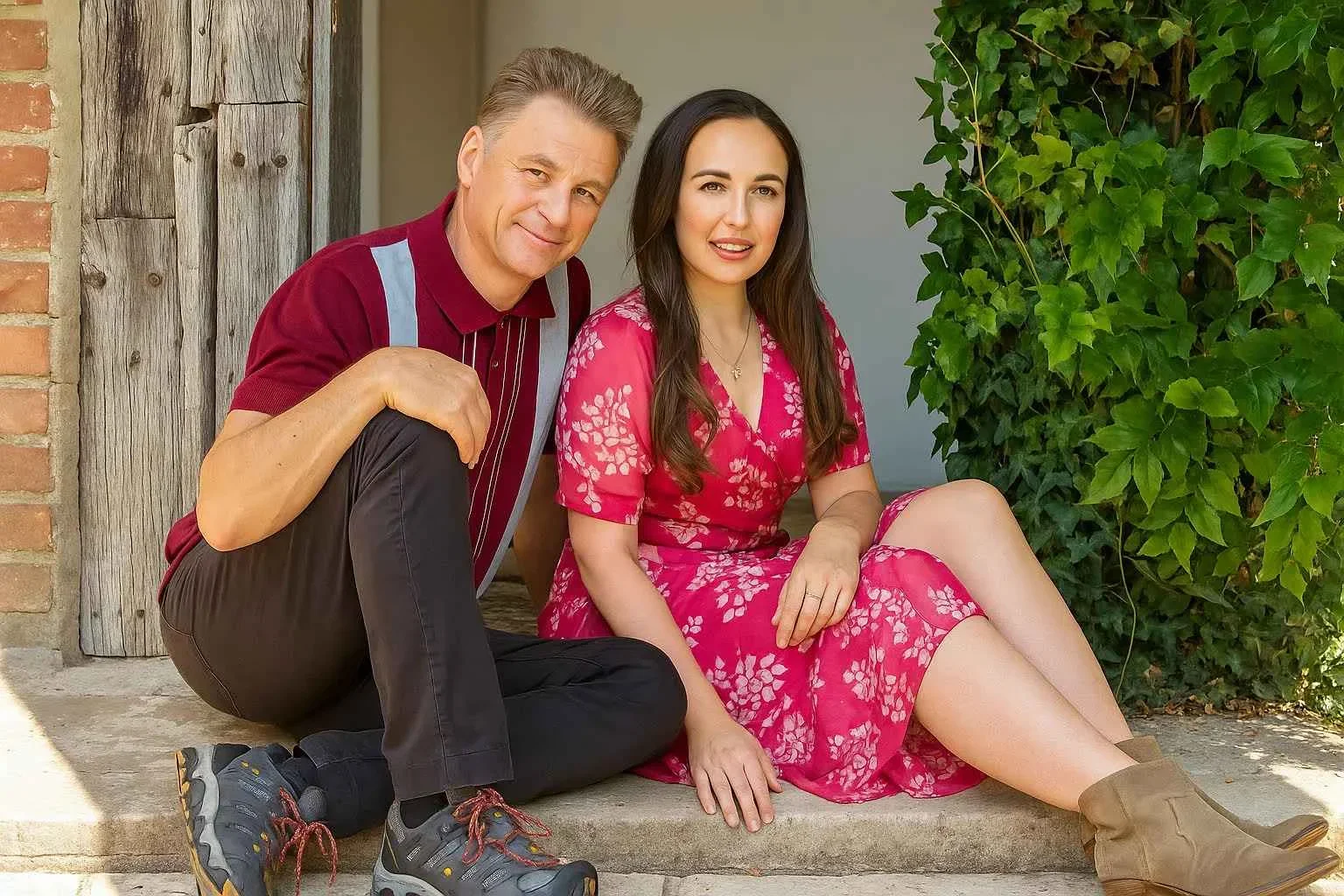
Introduction to Jo McCubbin’s Work and Public Voice
When you begin exploring the world of climate-focused healthcare professionals in Australia, the name Jo McCubbin appears again and again. Known for her long career in paediatrics and her outspoken advocacy regarding the health impacts of climate change, she has carved an important space for herself in both medical and environmental discussions. What makes her particularly compelling is that she doesn’t speak from a distance—she speaks as someone who has spent decades working with children, families, and communities that are directly affected by climate-related health issues. Her perspective bridges science and everyday life in a way that resonates with parents, policymakers, and the broader public.
Unlike some experts who operate strictly within academic circles, Jo’s strength lies in her ability to communicate complex concerns in a grounded, human way. She breaks down scientific realities without sounding alarmist, and she advocates for systemic change without dismissing the small, personal steps people take toward sustainability. This combination has earned her respect far beyond her medical practice. She has become a recognizable figure in media commentary, public health policy discussions, and community education initiatives focused on a healthier, more sustainable future.
It’s also worth noting that her approach to advocacy is rooted in optimism rather than pessimism. She acknowledges the urgency of the climate crisis, but she frequently emphasizes that meaningful action is still possible. Her message is not simply about what we stand to lose but what we have the potential to protect—particularly when it comes to the wellbeing of children. This perspective helps differentiate her voice in a field where public messaging can often feel heavy or overwhelming.
Overall, understanding Jo McCubbin means understanding a movement within healthcare: a movement that encourages doctors to speak not only at the bedside but also in the public sphere, where environmental decisions shape the health of future generations. Her journey shows what can happen when medical expertise and environmental passion intersect with a genuine desire to serve communities.
Early Career Foundations and the Making of a Paediatric Advocate
Jo’s roots in paediatrics play a critical role in shaping her public identity. From the beginning of her career, she gravitated toward areas of medicine where long-term outcomes mattered just as much as immediate treatments. Paediatrics naturally demands a holistic worldview—children are affected not only by their biology but by their environment, their families, their schools, and the broader social systems around them. This broad perspective prepared Jo well for examining the intersection of health and climate.
During her early years in clinical practice, she saw patterns that many frontline paediatricians eventually notice: spikes in respiratory illnesses, worsening allergies, heat-stress episodes, and the mental health strain that comes with environmental instability. For many doctors, these observations remain anecdotal insights. Jo, however, connected them to emerging research, and she began piecing together a narrative that would later become central to her advocacy: children are uniquely vulnerable to climate-related health impacts, often more so than adults.
Her background also equipped her with credibility in policy-driven conversations. Paediatricians are trusted voices, partly because they work with those who cannot advocate for themselves. Jo channeled this trust into public commentary that pushed for health-centered climate policies. It wasn’t ambition that drove her into this role—it was a natural extension of her duty as a physician. She couldn’t ignore the evidence, and she chose not to remain silent about it.
Another remarkable quality of her early career is her commitment to regional and community-level healthcare. Working outside major cities gave her firsthand exposure to populations disproportionately affected by environmental shifts. Rural communities often experience climate stress sooner and more intensely than urban ones, whether through extreme weather events, bushfire exposure, or economic ripples that affect family wellbeing. These experiences deepened Jo’s understanding of how environmental issues manifest in real people’s lives, far beyond theoretical projections.
Looking back, it’s easy to see how these foundational years made Jo the advocate she is today. Her clinical work served as the bedrock, providing the practical insight she needed to become not just a doctor, but a medical voice for environmental responsibility.
How Jo McCubbin Became a Leading Voice for Climate and Child Health
While many healthcare professionals have joined the conversation around climate impacts in recent years, Jo McCubbin was involved long before it became mainstream. Her advocacy grew organically from her observations as a paediatrician, but over time, she deepened her involvement through research, community work, and collaboration with environmental health organizations. One of the major turning points in her journey was understanding that the health community holds significant influence—especially when the message ties environmental action directly to child wellbeing.
Jo frequently highlights the ways in which climate change is not just an environmental issue but a direct medical one. Rising temperatures contribute to dehydration and heat stress in children, poor air quality worsens asthma, and extreme weather events generate psychological trauma that can follow kids for years. When she speaks about these issues, she does it with clarity and relatable examples drawn from her clinical experience. This makes her advocacy feel not theoretical, but immediate and deeply personal.
Her involvement in public speaking and media commentary has helped amplify these concerns beyond medical literature, reaching everyday families who may not otherwise hear them. Jo’s communication style is warm, conversational, and rooted in practical advice. She avoids jargon because she understands that climate literacy should be accessible to everyone, not just experts. This approach has earned her a growing platform where she serves as both educator and motivator, encouraging parents and communities to advocate for healthier environments for children.
Another critical part of her voice is her refusal to frame the climate crisis as hopeless. She emphasizes that there are numerous ways to protect children—from policy change to sustainable lifestyle adjustments—and she encourages collective action rather than individual guilt. This approach resonates strongly with families who feel overwhelmed by global issues. Instead of presenting climate change as an unstoppable force, she presents it as a challenge that can be mitigated with the right decisions.
Her leadership in this space continues to shape discussions on climate and child health, making her one of the most important voices in a movement that is steadily growing across Australia and beyond.
Jo McCubbin’s Approach to Community Engagement and Public Education
One of the standout features of Jo McCubbin’s work is the way she connects with communities. She doesn’t position herself as a distant expert speaking from behind a podium. Instead, she works directly with families, schools, local groups, and health networks, helping them understand climate-related risks in a supportive, non-judgmental way. This community-first approach makes her influence not only widespread but deeply personal.
Jo often emphasizes that building climate resilience is not solely the responsibility of governments or international bodies—it begins at home and within local communities. Whether she’s speaking at a public forum or giving interviews, she consistently brings the focus back to everyday experiences. She helps parents understand how to protect children during extreme heat, how to reduce indoor air pollution, and how to talk to kids about environmental uncertainty without causing fear. These practical insights transform climate science from abstract headlines into actionable guidance.
Schools are another major focus of her community engagement. Jo works to ensure that educational environments are prepared to keep children safe during heatwaves, smoke events, and other climate-driven hazards. Her advocacy often includes calling for improved school infrastructure, sustainable energy adoption, and the integration of climate literacy into the curriculum. She sees schools as powerful hubs for change because they touch the lives of nearly every family in the community.
In addition, her outreach extends to collaborating with local councils and environmental organizations. She often participates in community planning discussions aimed at improving air quality, expanding green spaces, and preparing for extreme weather. Her medical perspective helps decision-makers understand that these initiatives are not just environmental upgrades—they are public health necessities.
Perhaps the most valuable aspect of her engagement style is her empathy. Jo understands that families already face countless pressures, and adding climate anxiety to the mix can feel overwhelming. Instead of amplifying fear, she offers reassurance through knowledge. Her message is not “panic,” but “prepare.” Not “blame,” but “collaborate.” Through this balanced, compassionate approach, she helps communities feel empowered, not defeated, as they navigate the realities of a changing environment.
The Role of Science and Evidence in Jo McCubbin’s Advocacy
A central pillar of Jo McCubbin’s influence is her commitment to scientific accuracy. She grounds her public messaging in research so that families, policymakers, and local leaders can trust the information they’re receiving. Her background in medicine naturally demands evidence-based thinking, and she carries this rigor into her environmental advocacy.
One of the challenges she frequently addresses is the disconnect between scientific findings and public understanding. Climate science can be intimidating to people who don’t work in technical fields, and misinformation often spreads faster than facts. Jo works to bridge this gap by translating research into plain, relatable language. She explains how increased carbon emissions affect children’s lungs, how air pollution correlates with asthma rates, and how rising temperatures increase the likelihood of heat-related hospital visits. Because she speaks from experience, not just data, her explanations carry a level of sincerity that resonates with audiences.
Her approach also highlights the importance of long-term thinking in healthcare. Paediatricians are uniquely positioned to appreciate the consequences of environmental choices because they care for individuals who will still be alive decades from now. This perspective informs her argument that climate policy is, in many ways, a form of preventive medicine. Making decisions that benefit the climate today helps protect children from health risks tomorrow—a concept she reinforces often.
In addition, Jo supports collaboration between climate scientists and health professionals. She advocates for better integration between environmental data and public health planning so that communities can respond more effectively to climate risks. For example, improved smoke forecasting during bushfire seasons, better heatwave warning systems, and clearer communication channels between meteorologists and hospitals can all save lives. Jo regularly brings attention to these needs, pushing for a more coordinated national approach.
Science is not just the foundation of her message—it is the tool she uses to empower others. By stripping away the confusion that often surrounds climate discussions, Jo helps people see the issue clearly and understand why it matters. That clarity turns awareness into action, which is exactly what she hopes to inspire.
Why Jo McCubbin’s Work Matters for the Future
The significance of Jo McCubbin’s work extends far beyond the medical community. She represents a broader movement toward integrating environmental concerns into every aspect of societal planning—from education to urban development to national policy. Her advocacy reinforces the idea that climate change is not a distant threat, but a present-day health challenge requiring immediate attention.
One of the most important reasons her work matters is that she centers children in the conversation. While much of climate policy is framed around economics or emissions targets, Jo reframes it around human wellbeing. Children are often the first to suffer from environmental negligence, yet they are rarely included in policy discussions. Jo brings their needs to the forefront and insists that governments consider the long-term health consequences of their decisions.
Her influence also encourages healthcare professionals to step into public advocacy roles. Historically, many doctors hesitated to speak about climate issues, fearing they would be seen as stepping outside their discipline. Jo challenges this mindset by showing that environmental health is inseparable from physical health. Her example empowers other clinicians to use their expertise more boldly in shaping public discourse.
Furthermore, Jo’s emphasis on resilience offers a roadmap for communities navigating an uncertain future. She promotes practical steps that families and schools can take to reduce risks, from improved ventilation to awareness campaigns about heat safety. These small, meaningful actions help communities feel less overwhelmed and more capable of facing climate challenges together.
Lastly, her work matters because it promotes hope. She believes that change is achievable, and she emphasizes that collective action—rooted in science, compassion, and justice—is the path forward. Her optimism is not naïve; it is grounded in decades of medical experience and a deep understanding of human potential for progress.
In a world where climate conversations often feel heavy and divisive, Jo McCubbin provides a refreshing and necessary voice, reminding us that protecting the future begins with protecting our children today.
Final Thoughts
Jo McCubbin’s career is an outstanding example of how healthcare, environmental science, and community engagement can intersect to create meaningful change. Her role as a paediatrician gives her an invaluable perspective on the long-term impacts of environmental decisions, and her advocacy bridges the gap between scientific research and everyday life. Through her accessible communication, community-focused efforts, and steadfast commitment to child wellbeing, she has become an influential figure in climate-related public health.