Understanding Exchange Rate Fluctuations
Exchange rates are always moving. Think of it like the stock market, but for currencies. The value of the U.S. dollar compared to the euro can change daily, even hourly. This happens because of many things, like economic news from the U.S. or Europe, political events, or even just how many people are buying or selling dollars and euros. Understanding these fluctuations is key to getting a good deal. If the dollar is strong, your money goes further. If it’s weak, you’ll need more dollars to buy the same amount of euros.
It’s not about predicting the future perfectly, but about being aware that rates change. Sometimes, you might see a favorable rate and think, “Now’s the time to buy euros!” Other times, the rate might be less ideal. Paying attention helps you make a more informed decision rather than just guessing. It’s a bit like watching the weather before a picnic; you want to know what to expect.
The Advantage of Buying Euros in Advance
Waiting until the last minute to buy your euros is usually a bad idea. Airports and hotels often have the worst exchange rates and highest fees. When you buy your currency in advance, you give yourself time. This means you can shop around. You can compare different places to see who offers the best rate and the lowest fees. This gives you more control over how much your money is worth.
Buying ahead also means you can set up rate alerts. Imagine getting a notification when the exchange rate hits a level you like. This way, you don’t have to constantly check it yourself. It takes the stress out of the process. You can then buy your euros at a time that works best for your budget, rather than being forced into a less-than-ideal rate just before your flight.
Assessing Current Market Conditions
Before you buy euros, take a moment to look at what’s happening with the dollar and the euro. Is the dollar particularly strong right now? That’s good news for you. It means your dollars can buy more euros. You might see headlines about the dollar hitting a multi-year high against other currencies. This is often a good sign that now might be a smart time to purchase your travel money.
Consider the general economic climate. Are there any major economic events or political situations that might affect the exchange rate soon? While you can’t control these factors, being aware can help you decide whether to buy now or wait a little longer. Sometimes, waiting too long can mean missing out on a good rate, so it’s a balance. The goal is to buy euros when the dollar is performing well relative to the euro.
Strategic Timing To Buy Euros
Leveraging Dollar Strength
Right now, the U.S. dollar is pretty strong compared to the euro. This means your dollars can buy more euros than they have in a while. It’s like getting a bit of a discount on everything you plan to buy overseas. This is a good time to consider buying euros if you have an upcoming trip. Waiting too long could mean missing out on this favorable exchange rate.
Think of it this way: if the dollar is strong, you’re essentially getting more bang for your buck. This can make a noticeable difference when you’re paying for hotels, meals, or souvenirs. It’s not a guarantee, but the current market conditions favor those looking to exchange dollars for euros.
However, currency markets can change quickly. While the dollar is strong now, it’s wise to keep an eye on it. Don’t get too greedy trying to catch the absolute peak of dollar strength; securing a good rate now is often a smart move.
Considering Geopolitical Factors
Global events can really shake up currency values. Things like political instability or conflicts in different regions can make the U.S. dollar a safer bet for investors, causing it to strengthen. This often happens when there’s a general sense of unease in the world, sometimes referred to as ‘risk off’ sentiment.
For example, if tensions rise in a major global hotspot, people might move their money into U.S. dollars, thinking it’s a more secure place to park their cash. This increased demand for dollars can push its value up against other currencies, including the euro. It’s a bit like a ripple effect.
So, when you’re thinking about when to buy euros, it’s not just about economic numbers. You also need to consider what’s happening in the world. Major international news can influence exchange rates more than you might expect, impacting your travel budget.
Monitoring Economic Divergences
Different countries have different economic situations, and these differences can affect their currency values. For instance, if the U.S. economy is growing faster than the Eurozone’s, the dollar might become stronger relative to the euro.
This divergence can be seen in things like interest rate policies, inflation levels, and overall economic growth projections. When one economy is performing significantly better than another, investors tend to favor the currency of the stronger economy.
Watching these economic trends can give you clues about future currency movements. If you see signs that the U.S. economy is pulling ahead, it might be a good indicator that the dollar will remain strong, or even get stronger, against the euro. This makes monitoring economic divergences a key part of deciding when to buy euros.
Where To Buy Euros
When it comes to getting your euros, you’ve got a few options, and some are definitely better than others. It’s not just about the exchange rate; fees play a big part too. Thinking about where to buy euros can save you a decent chunk of change.
Avoiding Airport and Hotel Exchanges
Stepping off the plane and needing cash is a common scenario, but exchanging money at airports or hotels is usually a bad idea. These places know you’re in a pinch, so they offer some of the worst exchange rates and often tack on hefty fees. It’s like paying a premium just for convenience, and that convenience comes at a real cost to your wallet. You’ll likely get a much better deal if you wait.
Exploring Currency Brokers
Currency brokers can be a solid choice, especially if you’re looking to exchange larger sums. They often provide more competitive rates than banks and can be more flexible. It’s worth comparing a few different brokers to see who offers the best deal for your specific needs. They can sometimes offer better rates than online platforms, depending on the amount you’re exchanging.
Utilizing Online Exchange Platforms
Online currency exchange platforms have become increasingly popular, and for good reason. They typically offer competitive exchange rates and transparent fee structures. Many allow you to lock in a rate and have the currency delivered to your door or a local pickup point. This method often beats traditional banks and offers a convenient way to buy euros without leaving your home.
The key is to compare rates and fees across different providers before you commit to a purchase.
Here’s a quick look at common places to get your currency:
- Banks: Generally offer decent rates but may have higher fees or require you to have an account.
- Airport/Hotel Kiosks: Convenient but almost always the most expensive option.
- Currency Brokers: Can offer good rates, especially for larger amounts.
- Online Platforms: Often provide competitive rates and convenience.
When you’re trying to figure out where to buy euros, remember that doing a little homework upfront can make a big difference in how much local currency you actually get for your dollars.
Maximizing Your Euro Purchase
Comparing Exchange Rates and Fees
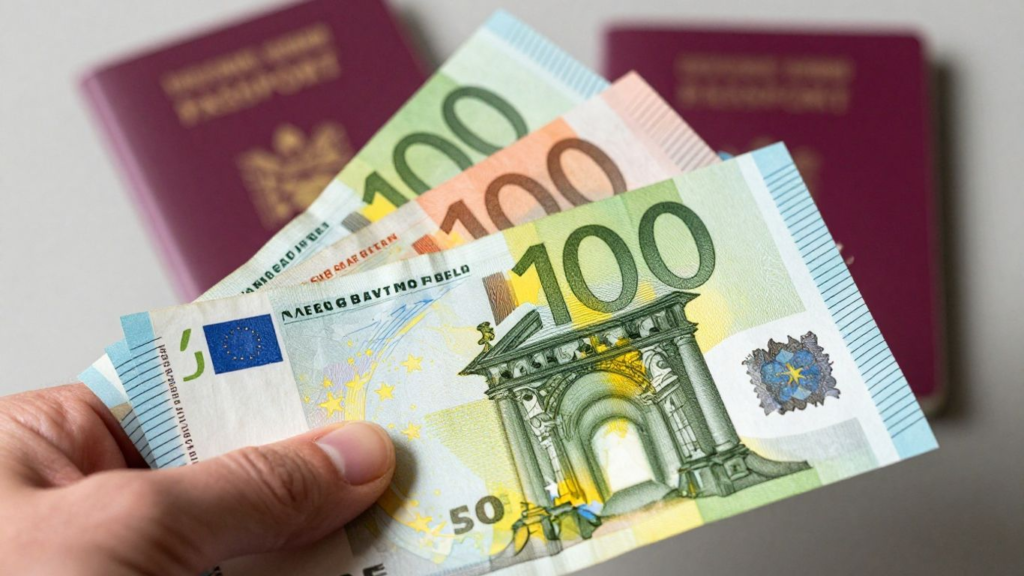
When you’re looking to buy euros, it’s not just about the number you see on the screen. You really need to dig into the details. Think about it: a small difference in the exchange rate can add up, especially if you’re buying a good amount of currency. Always compare what different places are offering. Don’t just grab the first rate you see. It pays to shop around.
Beyond the headline rate, watch out for fees. Some places might show a good exchange rate but then hit you with a bunch of hidden charges. These can eat into your budget pretty quickly. It’s important to know the total cost. Always ask for the final amount of euros you’ll receive after all fees are deducted. This gives you a true picture of the deal.
Setting Rate Alerts for Optimal Buys
Waiting for the perfect moment to buy euros can feel like a gamble, but there are ways to make it less stressful. Many currency exchange services and some banks let you set up alerts. You tell them the exchange rate you’re aiming for, and they’ll notify you when the market hits that point. This way, you don’t have to constantly check the rates yourself.
This proactive approach helps you buy euros when the dollar is strong relative to the euro. It takes the guesswork out of it. You can plan your purchase more effectively, rather than just hoping for a good rate. It’s a smart move for anyone who wants to get the most for their money.
Understanding Buy vs. Sell Rates
When you look at currency exchange, you’ll often see two rates: a ‘buy’ rate and a ‘sell’ rate. This can be a bit confusing at first. The ‘sell’ rate is what the exchange service is selling euros to you for. The ‘buy’ rate is what they would buy euros back from you for. For travelers, the rate that matters most is the sell rate – the one you’ll pay to get your euros.
Generally, the difference between the buy and sell rates, known as the spread, is how the exchange service makes its profit. A smaller spread usually means a better deal for you. Keep an eye on this difference. It’s a good indicator of whether you’re getting a fair exchange rate. A wide gap between these rates often signals a less favorable transaction for the customer.
The total cost of your euro purchase is a combination of the exchange rate and any associated fees. Always calculate the final amount of currency you will receive to make an informed decision.
Alternatives To Buying Euros
Using Travel Credit and Debit Cards
Many travelers find that using credit and debit cards is a simple way to handle expenses abroad. Visa and Mastercard are accepted in most European cities, making it easy to pay for hotels, meals, and souvenirs without needing to carry a lot of cash. Always check with your bank or card issuer about foreign transaction fees before you leave, as these can add up quickly. Some cards offer better exchange rates than others, so it’s worth comparing.
Considering Multi-Currency Accounts
For those who travel frequently or spend extended periods overseas, a multi-currency account might be a good option. These accounts let you hold and manage money in different currencies, often with better exchange rates than standard bank accounts. This can help avoid unpredictable currency fluctuations. However, for shorter trips, the hassle of setting one up might outweigh the benefits. It’s a tool for the more seasoned globetrotter.
The Convenience of Travel Cards
Travel cards offer a middle ground, combining some benefits of cash and cards. Some cards allow you to load money onto them in advance, locking in an exchange rate. This can be a smart move if you anticipate a strong dollar. They often come with lower fees than traditional credit cards for foreign spending and can be used at ATMs if you need cash. Using a travel card can simplify your spending and budgeting while abroad, making your trip smoother.
Common Pitfalls When Buying Euros
The Risk of Poor Exchange Rates Abroad
Many travelers assume that once they land, they’ll find the best deals on currency exchange. This is often not the case. Airports and hotels, while convenient, typically offer the worst exchange rates. They know you’re in a pinch and charge a premium for that convenience. It’s not uncommon to lose 5-15% of your money just by exchanging it in these high-traffic tourist spots. Always compare rates before you commit to an exchange.
Hidden Fees in Currency Exchange
Beyond the advertised exchange rate, watch out for hidden fees. Some places might advertise a good rate but then slap you with a hefty commission or service charge. This is especially true for currency brokers or smaller exchange booths. Always ask about the total cost and how many euros you’ll actually receive for your dollars. Understanding the difference between the buy and sell rates is key to spotting a fair deal.
The Cost of Last-Minute Purchases
Waiting until the last minute to buy euros can be a costly mistake. When you’re rushing to get ready for your trip, you might not have the time to shop around for the best rates. This often leads to accepting a less-than-ideal exchange rate, sometimes costing you an extra 10% or more. It’s better to plan ahead and buy your euros in advance, giving yourself time to monitor the market and secure a better deal. This proactive approach helps avoid the stress and expense of last-minute currency purchases.
Conclusion
Deciding when and where to buy Euros can seem like a puzzle, but it doesn’t have to be. By understanding how exchange rates move and planning ahead, you can often get more for your money. Comparing options, setting alerts, and avoiding those convenient but costly spots like airports are smart moves. While cards offer convenience, having some cash can still be useful. Ultimately, a little research goes a long way in making your travel budget stretch further. So, take the time to buy Euros wisely and enjoy your trip without worrying about your wallet.