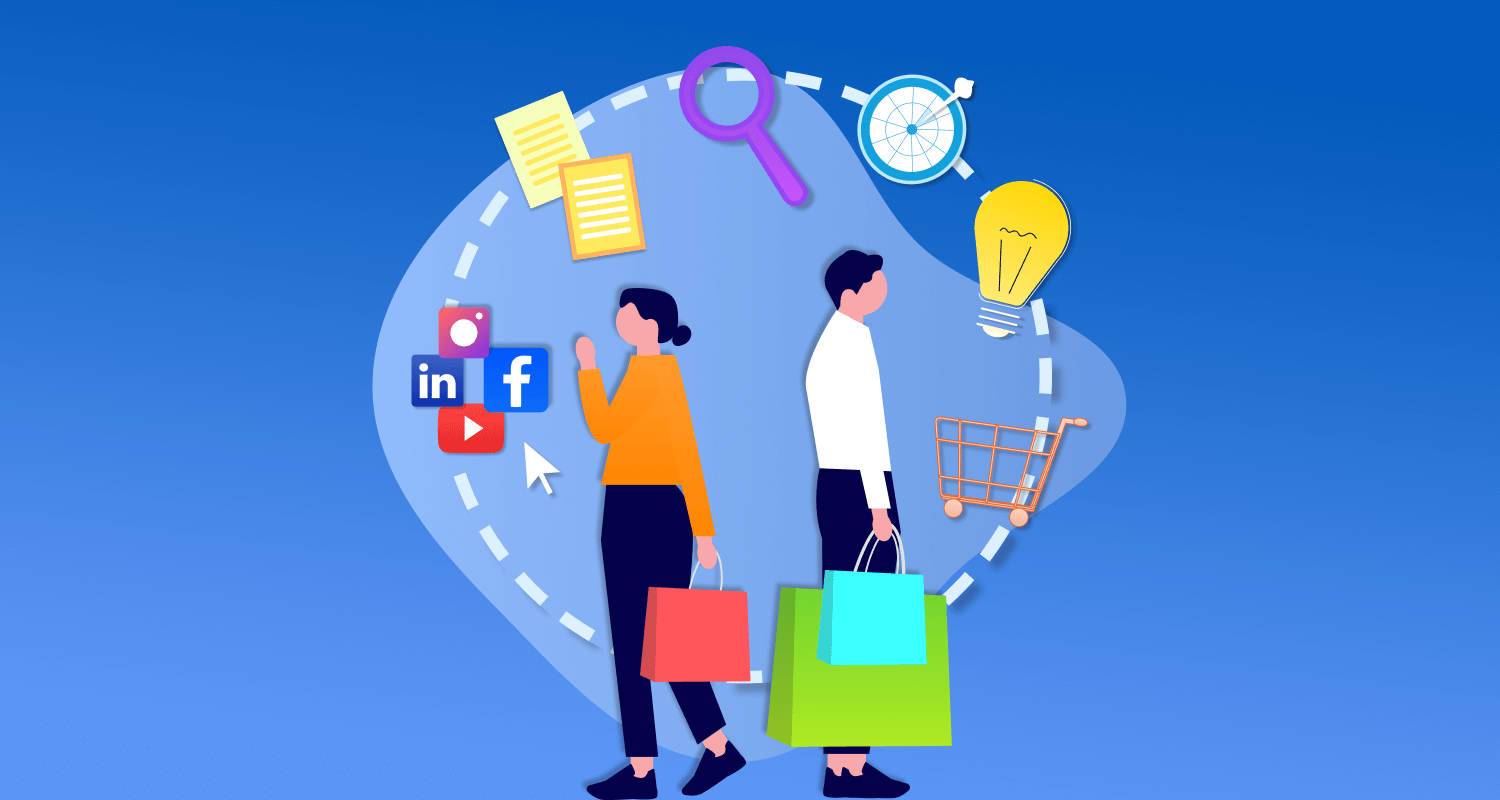
Marketing has spent years mapping the journey a person takes from never having heard of a business to becoming a loyal customer, and dividing it into stages: awareness, consideration, decision, and the ongoing relationship that follows a purchase. Nearly every marketing tactic gets analysed through this lens, matched carefully to the stage where it works best. Promotional merchandise, oddly, almost never does. It tends to be treated as a single, all-purpose tactic, deployed the same way regardless of where the recipient sits on that journey, and that one-size-fits-all approach leaves much of its value untapped.
Applying the buyer-journey lens to merchandise sharpens every decision, and it is a way of thinking that GoPromotional, branded merchandise suppliers to UK businesses, brings to the table. The useful move is analytical rather than transactional: different stages of the journey call for different kinds of merchandise, doing different jobs, and once you match the item to the stage, your merchandise spend starts working far harder than it does when every recipient gets the same thing regardless of their relationship with you.
At the awareness stage, the recipient does not yet know your business, and the job of merchandise is simply to introduce it and make a first impression. Here breadth matters more than depth: widely distributed, cost-effective items that spread your name and plant a first association. The item does not need to be lavish, because there is no relationship yet to honour, but it does need to be desirable enough to be kept and clear enough to make a stranger curious. This is the natural home of the high-volume giveaway, doing exactly the job it is best at.
At the consideration stage, the person knows you exist and is weighing you against alternatives, and the merchandise job shifts. Now you are dealing with someone who has shown a flicker of interest, and a slightly more considered item can help move them along, signalling that you take the potential relationship seriously. This is where a mid-tier item, given to an engaged prospect rather than scattered to a crowd, earns its place, treating the recipient as someone worth a little more attention because they have already leaned in.
At the decision stage, the person is close to committing, and merchandise can play a small but real supporting role in tipping the balance. A well-timed, quality item given at this point reinforces the sense that this is a business worth choosing, adding a tangible note of care to the final deliberation. It will not, on its own, close a deal that the substance of the offer has not already earned, but as part of a considered approach it contributes to the overall impression of a business that pays attention to the people it works with.
After the purchase, the journey does not end, and this is where merchandise is most neglected and arguably most valuable. Once someone becomes a customer, merchandise can strengthen the relationship, encourage loyalty, and prompt referrals, working on an audience that has already chosen you and is therefore more valuable than any prospect. Quality items that make existing customers feel appreciated do disproportionate work here, yet most businesses stop thinking about merchandise the moment the sale is made, missing the stage where it may matter most.
The principle that emerges is that merchandise is not one tactic but a family of tactics, each suited to a different point in the relationship, and the businesses that get the most from it match the item to the stage deliberately. A stranger, an interested prospect, someone on the verge of buying, and a loyal customer are four different people with four different relationships to your business, and giving all four the identical item wastes the opportunity to speak to each appropriately.
So the practical discipline is to ask, before choosing any merchandise, where its recipients sit on the journey, and to let that answer shape the item, its quality, and how it is given. Matched to the stage, merchandise stops being a blunt, all-purpose giveaway and becomes a precise tool that supports the relationship at exactly the point it has reached, which is where its real, and largely unrealised, potential lies. Seen through the lens of the journey, merchandise reveals itself as one of the more versatile tools in the marketing kit, capable of doing useful work at every stage from first contact to long-term loyalty, provided it is chosen with the stage in mind.