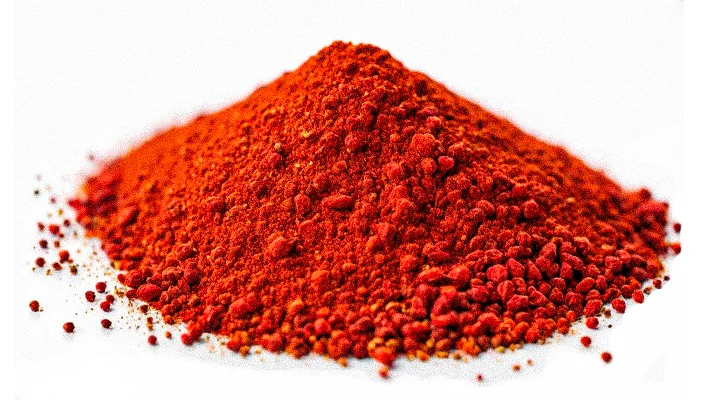
As consumers become increasingly conscious about ingredients and food labels, the demand for naturally sourced ingredients continues to rise. Food manufacturers are actively replacing synthetic additives with cleaner alternatives that align with evolving consumer expectations. Among the various natural pigments used today, annatto food color has emerged as one of the most widely accepted and versatile natural coloring solutions.
Known for its vibrant yellow-to-orange shades, annatto has been used for centuries and continues to play an important role in modern food manufacturing. From dairy products and snacks to bakery and processed foods, annatto food color helps create visually appealing products while supporting clean-label trends.
What Is Annatto Food Color?
Annatto food color is a natural coloring ingredient extracted from the seeds of the achiote tree (Bixa orellana), a tropical plant native to Central and South America.
The seeds contain natural pigments primarily known as:
- Bixin – an oil-soluble pigment
- Norbixin – a water-soluble pigment
These compounds create colors ranging from light yellow and golden shades to rich orange and reddish-orange hues.
Because of its flexibility and natural origin, annatto has become one of the most widely used alternatives to synthetic yellow and orange food colors.
Why Annatto Food Color Is Growing in Popularity
The increasing use of annatto food color is driven by several factors within the food industry.
Clean-Label Demand
Modern consumers increasingly prefer ingredient lists containing familiar and naturally derived ingredients. Annatto supports clean-label product positioning and transparency.
Shift Away from Artificial Colors
Growing scrutiny surrounding synthetic food dyes has encouraged manufacturers to adopt natural alternatives that consumers perceive as safer and more trustworthy.
Plant-Based Ingredient Appeal
As a plant-derived ingredient, annatto works well in vegan, vegetarian, and natural product formulations.
Strong Coloring Performance
Annatto provides bright and attractive shades even at relatively low concentrations, making it effective for commercial applications.
Types of Annatto Food Color
Annatto is available in different forms depending on the application requirements.
Oil-Soluble Annatto (Bixin)
Oil-soluble annatto works well in products containing fats and oils, including:
- Cheese
- Butter
- Margarine
- Bakery products
- Snack coatings
Water-Soluble Annatto (Norbixin)
Water-soluble annatto is suitable for products such as:
- Beverages
- Sauces
- Dairy drinks
- Soups
- Processed foods
Selecting the right form ensures better color consistency and product performance.
Applications of Annatto Food Color
Annatto food color is highly versatile and is used across numerous food categories.
Dairy Products
Annatto is widely recognized for its use in cheese manufacturing. It helps create the characteristic yellow-orange shades consumers associate with products such as cheddar cheese and butter.
Snacks and Savory Foods
Snack seasonings, chips, popcorn coatings, and ready-to-eat foods frequently use annatto for enhanced visual appeal.
Bakery Products
Cakes, pastries, fillings, and decorative toppings often benefit from warm orange-yellow tones.
Confectionery
Candies, gummies, and confectionery products use annatto for natural coloring solutions.
Sauces and Processed Foods
Soups, sauces, seasonings, and prepared meals often incorporate annatto to improve appearance and consistency.
Benefits of Annatto Food Color
Natural Origin
Annatto is obtained from plant seeds, making it highly suitable for clean-label formulations.
Consumer Trust
Consumers often perceive naturally derived ingredients as safer and more transparent than synthetic alternatives.
Versatility
Its availability in both oil-soluble and water-soluble forms allows use across diverse food systems.
Supports Plant-Based Products
Annatto aligns well with vegan and vegetarian product development.
Strong Color Intensity
The pigment delivers vibrant shades while requiring relatively low usage levels.
Challenges Associated with Annatto Food Color
Although annatto offers several advantages, certain formulation challenges may arise.
Light Sensitivity
Extended exposure to light may gradually reduce color intensity.
Heat Stability
High processing temperatures can affect color performance in some applications.
Raw Material Variability
Since annatto is naturally sourced, pigment concentrations can vary depending on agricultural conditions.
pH Sensitivity
Certain food systems may influence the final shade appearance.
To address these challenges, manufacturers often use specialized extraction methods and stabilization technologies.
Future of Annatto Food Color
The future of annatto food color appears promising as global demand for natural ingredients continues growing. Food manufacturers are increasingly reformulating products to eliminate artificial additives while maintaining visual appeal and functionality.
Advancements in extraction techniques, stabilization systems, and sustainable sourcing practices are expected to further strengthen annatto’s position in the food industry.
As consumers continue prioritizing transparency and cleaner labels, annatto food color is likely to remain one of the leading natural food coloring solutions worldwide.
Final Thoughts
Annatto food color has become an important ingredient in modern food manufacturing because of its natural origin, versatility, and strong visual impact. Its ability to provide vibrant yellow-to-orange shades while supporting clean-label trends makes it highly valuable across multiple food applications.
From cheese and snacks to bakery and processed foods, annatto continues helping brands create products that look appealing while meeting evolving consumer expectations. As natural ingredient demand continues to grow, annatto food color is expected to remain a key part of the future of food innovation.