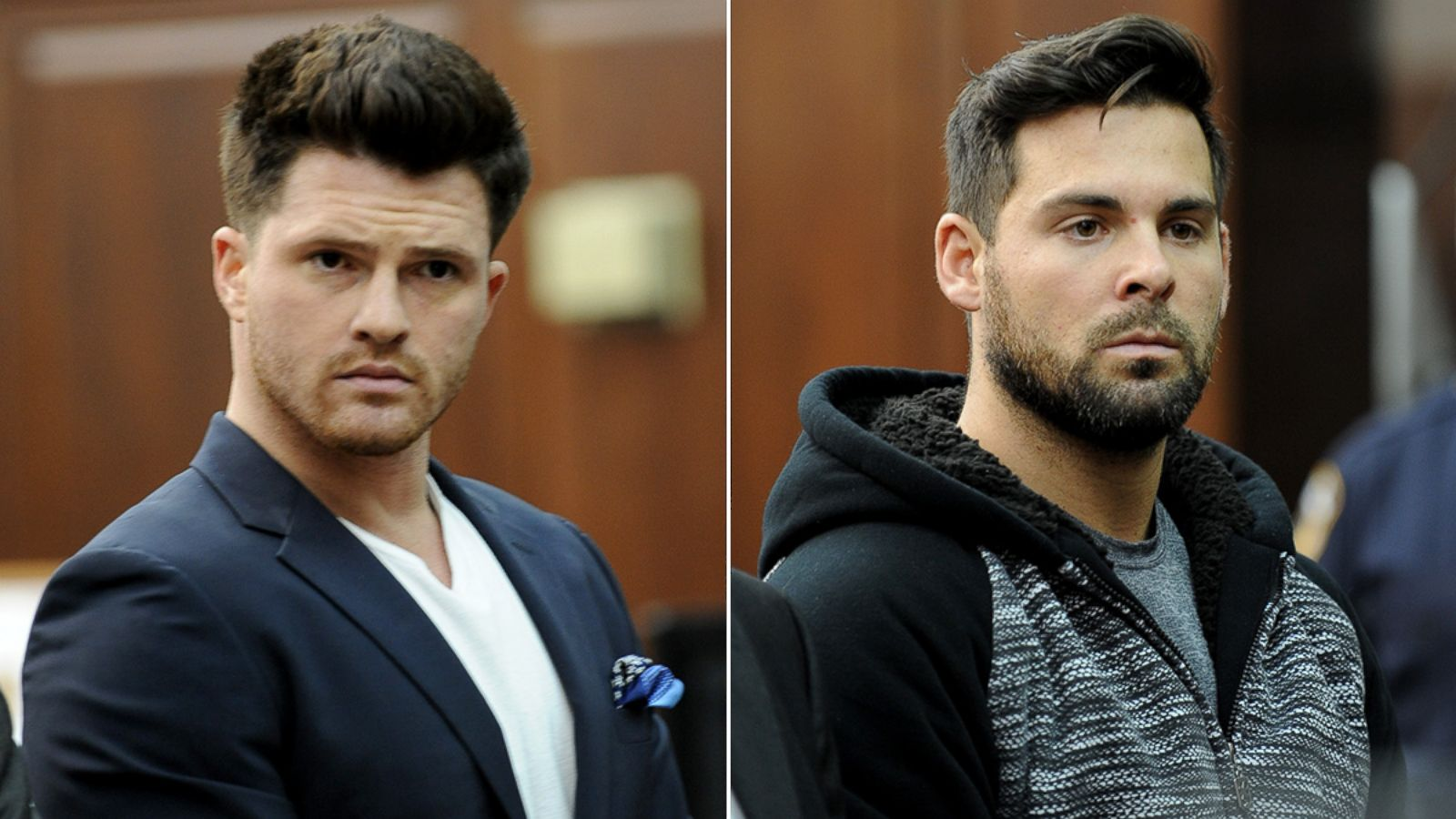
The name James Rackover continues to generate curiosity years after it first appeared in major headlines. Many people search for information about him because the case surrounding his name combined elements of privilege, family dynamics, crime, and a lengthy legal process. While media coverage often focused on dramatic details, understanding the broader story requires looking beyond the headlines and considering the facts in context.
Public interest in James Rackover remains strong because the case raised questions about accountability, influence, and the criminal justice system. As new audiences discover the story through documentaries, articles, and online discussions, many want a clear and balanced explanation of who he is and why his name became widely recognized.
This article explores the background of James Rackover, the events that brought him into the public spotlight, the legal proceedings that followed, and why the case continues to attract attention today.
Who Is James Rackover?
James Rackover is an American man whose name became nationally known following his connection to a highly publicized criminal case in New York City. Before the incident that made headlines, he lived a relatively private life despite having connections to a well-known figure in the cosmetic surgery industry. His personal background became a subject of public discussion only after investigators began examining the events surrounding the case.
Much of the media attention focused not only on James Rackover himself but also on his family relationships. Reports frequently mentioned his adoptive father, a prominent plastic surgeon, which led many people to speculate about whether social status or personal connections would influence the legal process. These discussions became part of the broader public narrative, even though the criminal case ultimately relied on evidence presented in court.
For readers researching James Rackover today, it is important to separate verified legal facts from rumors that circulated online. Like many high-profile cases, the story generated significant speculation, but court records and established reporting remain the most reliable sources for understanding what actually occurred.
The Incident That Brought James Rackover Into the Spotlight
The turning point in the story occurred following the disappearance and death of Joseph Comunale in 2016. Authorities alleged that the events began after a gathering in Manhattan where an argument escalated into violence. As investigators pieced together evidence, the case quickly became one of New York City’s most talked-about criminal investigations.
According to prosecutors, Joseph Comunale was killed after an altercation, and efforts were allegedly made to conceal the crime afterward. Investigators relied on physical evidence, witness statements, digital records, and forensic findings to reconstruct what happened. The complexity of the investigation drew widespread media coverage because of the number of individuals involved and the unusual circumstances surrounding the case.
As the investigation unfolded, James Rackover became one of the central figures. Law enforcement officials conducted extensive interviews, collected evidence, and eventually filed criminal charges. The seriousness of the allegations ensured that the case remained in the public eye for years as it progressed through the legal system.
The Investigation and Criminal Charges
The investigation into the case was detailed and methodical. Detectives spent months gathering evidence, interviewing witnesses, and examining electronic communications to establish a timeline. Prosecutors argued that multiple pieces of evidence supported their version of events, creating a comprehensive case that would later be presented during trial.
James Rackover faced serious criminal charges related to the death of Joseph Comunale. The prosecution maintained that the available evidence demonstrated his involvement in the crime and subsequent efforts to hide what had happened. As with any criminal proceeding, prosecutors carried the burden of proving their allegations beyond a reasonable doubt.
Defense attorneys challenged various aspects of the prosecution’s case throughout the legal proceedings. They questioned interpretations of evidence and presented arguments intended to create reasonable doubt. This adversarial process is a fundamental part of the American legal system, ensuring that both sides have an opportunity to present their positions before a verdict is reached.
The Court Trial and Verdict
The trial attracted significant public and media attention because of the case’s high-profile nature. Journalists closely followed courtroom developments, reporting on witness testimony, forensic evidence, and legal arguments presented by both the prosecution and the defense.
During the proceedings, prosecutors outlined their theory of the case using testimony, physical evidence, and investigative findings. Witnesses described events before and after the incident, while forensic experts explained how scientific evidence supported the prosecution’s timeline. The jury was tasked with evaluating this information alongside the defense’s arguments.
Ultimately, James Rackover was convicted following the trial. The verdict reflected the jury’s conclusion after reviewing all admissible evidence presented in court. Following the conviction, sentencing brought another stage of legal proceedings, formally determining the penalties imposed under the law. The outcome reinforced the principle that criminal cases are resolved through judicial review rather than public opinion.
Why the James Rackover Case Received So Much Attention
Several factors contributed to the intense media coverage surrounding James Rackover. First, the case involved a violent crime in one of America’s most closely watched cities. Criminal cases with unusual circumstances often receive significant national attention, particularly when they involve extensive investigations.
Another reason the story remained in the spotlight was the connection to a well-known plastic surgeon. Public fascination with individuals linked to prominent or wealthy families often leads to increased media interest. Although family associations do not determine legal outcomes, they frequently become part of the broader public discussion.
The case also generated attention because it unfolded over an extended period. From the initial investigation through arrest, trial, conviction, and sentencing, each stage produced new developments that kept the story relevant. News organizations continued covering the proceedings, ensuring that James Rackover remained a recognizable name long after the original incident.
Public Interest and Media Coverage
Media coverage played a major role in shaping public awareness of James Rackover. Newspapers, television programs, podcasts, and online publications all examined different aspects of the case. Some focused on investigative details, while others explored legal strategy, family background, or broader societal themes.
The rise of social media further amplified public discussion. Online platforms allowed people to share opinions, speculate about developments, and debate the evidence before the legal process concluded. While these conversations increased visibility, they also demonstrated why relying on verified reporting is essential when evaluating high-profile criminal cases.
Even years later, searches for James Rackover continue because documentaries, true crime series, and retrospective articles periodically revisit the case. Modern audiences often discover older criminal cases through streaming platforms, leading to renewed public curiosity and additional online discussion.
Lessons That Can Be Drawn from the Case
The story of James Rackover highlights the importance of distinguishing between media narratives and verified legal findings. High-profile criminal cases frequently generate intense public interest, but courtroom evidence—not public speculation—ultimately determines legal outcomes.
The investigation also demonstrates how modern law enforcement uses multiple forms of evidence, including forensic science, digital records, surveillance footage, and witness testimony. Together, these investigative tools help authorities establish timelines and support criminal prosecutions with objective information whenever possible.
Another important takeaway involves the lasting impact that criminal cases have on victims’ families, defendants, and everyone connected to the events. Regardless of media attention, these situations represent real human tragedies with consequences that extend far beyond courtroom proceedings and newspaper headlines.
Conclusion
The story of James Rackover remains one of the more widely discussed criminal cases from New York in recent years. Public interest continues because the case combined a complex investigation, extensive media coverage, and legal proceedings that unfolded over several years. While headlines often emphasized dramatic elements, the full story is best understood by focusing on verified facts and the judicial process.
As people continue searching for information about James Rackover, it is important to approach the subject with accuracy and balance. Separating established court findings from speculation provides a clearer understanding of why the case became so significant and why it continues to be referenced in discussions about notable criminal investigations.
Ultimately, the case serves as a reminder that justice depends on evidence, careful investigation, and due process. Although the name James Rackover remains associated with a highly publicized legal case, its lasting significance lies in the broader conversations it sparked about accountability, criminal investigations, and the role of the courts in resolving complex and serious allegations.