
Active market participants are prone to a certain psychological weariness when confronted with the chaos of price charts and indicators in constant flux.
The Kepler Group has set about removing that friction, dispensing with the usual retail distractions in favour of structural clarity. For the quant, the approach to visual engineering is an exercise in calm, one that preserves objectivity even as prices become highly volatile.
We have streamlined the analytical side of things so decision-makers can get at the orderbook depth unencumbered by emotion. There is a deliberateness to the minimalist layout; it is meant to support execution strategies that are a function of mathematical probability alone.
The interface dynamics at Kepler-Group.com Review will show how such workspace design bears on trade discipline. In the end, clean architecture is what draws a line between systematic frameworks and the kind of reactionary behaviour that plagues less orderly trading.
Spreadsheet-Style Registers vs. Chaotic Candlestick Environments
There is a tendency for the high-density candlestick grids on standard charting dashboards to wear one down when markets are in a hurry. The Kepler-Group.com Review makes note of this, explaining how structured tabular registers put an end to such visual chaos in favour of a more orderly numeric presentation.
By putting complex price feeds into neat spreadsheet rows, the scope for emotional reaction is reduced. It allows the analyst to keep an eye on portfolio status via static data and make an objective call on performance without any of the distractions that come with a graphical interface.
High-Contrast Typography and High-Visibility Balance Tracking
One cannot overlook the fact that extended time in front of a screen will eventually take its toll on analytical precision through ocular fatigue. The platform is therefore designed with a high-contrast visual matrix and exact typographic scaling so as to preserve legibility no matter the size of the display.
As for the dashboard, there are set aside areas for the likes of capital distribution and position weights. It has done away with any superfluous graphics to keep things uncluttered; it is the only way to ensure one can scan the metrics without hindrance over the course of a long monitoring session.
The Psychology of Neutral Trading Mechanics
A certain rigour in execution is called for, and that requires an operational setup which leaves no room for psychological interference. One finds that the commercial variety of interfaces are wont to include gamified features; these can be a nudge towards emotional overtrading or placing too many orders.
The approach taken with neutral platform engineering is quite different, as this Kepler-Group.com Review makes clear. By insulating the act of trading from behavioural triggers, it enforces a more methodical kind of consistency.
Removing Flashing Tickers to Curb Impulsive Decision-Making
There is a tendency for dynamic price tickers to create a false sense of urgency, preying on the psychological inclinations that lead to hasty decisions over the slightest market movement.
The Kepler-Group.com Review points out that this interface does away with such things as animated rate alerts or any other kind of flashing visual prompt. In their place one finds raw data piped in from liquidity nodes as steady numeric feeds, so those involved can make a measured assessment of the market free of any emotional interference.
Un-Animated Order Core: Streamlined [Buy] and [Sell] Action Panels
With their minimalist interface, the centralized execution modules are set up to connect orders in a direct line to the liquidity pools at the source. There is no clutter from superfluous pop-up windows; operational controls are kept simple so as to preserve a tidy workspace.
This Kepler-Group.com Review has found the order panel to be well designed, with asset identifiers for currency pairs and global equity indices front and centre. On the performance side, one can expect sub 12-millisecond execution times, which are conducive to automated risk settings and exact lot sizing.
Dashboard Workspace Architecture: Operational Strengths and System Parameters
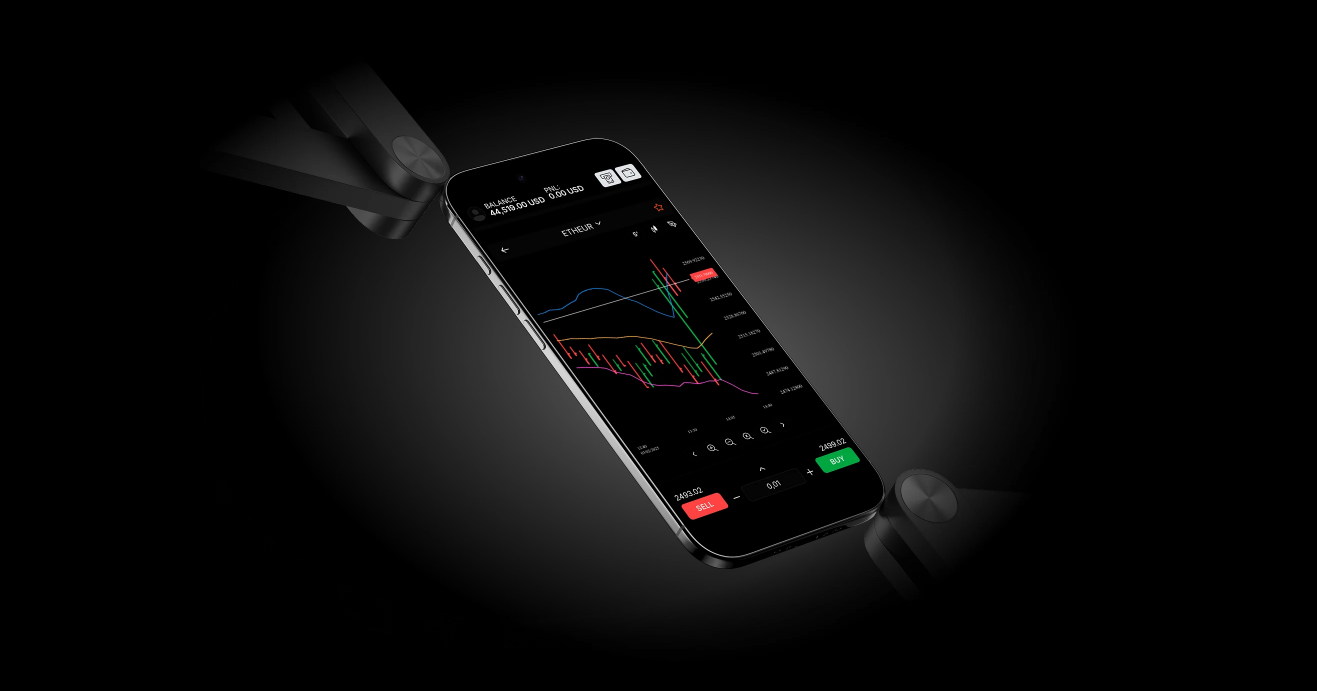
One way to evaluate a register-based trading interface is to look at the manner in which its uncluttered visual design handles an unbroken flow of data.
Tabular set-ups are built for quick numerical perusal and to keep hardware demands down, yet this comes with certain functional limitations. A review of the principal operational benefits as well as the technical baselines is provided below.
Primary Advantages for Direct Portfolio Oversight
- Reduced Cognitive Load: Tabular data structures keep primary account metrics clearly organized, helping prevent visual overload during fast-moving market sessions.
- Streamlined Visual Environment: Removing pop-up notifications and flashing promotional alerts keeps focus centered on active position status and risk management parameters.
- Rapid Execution Scannability: High-contrast typography and clear numeric registers deliver instant clarity on balance levels, total exposure, and available margin equity.
- Consistent Multi-Device Performance: Lightweight web infrastructure ensures rapid page loading times and identical visual rendering across desktop workstations, tablets, and mobile web browsers.
- Unified Data Synchronization: Account equity, open positions, and margin usage refresh continuously across active browser sessions, a practical layout feature highlighted in this review.
System Parameters and Interface Configurations
- External Technical Charting: The interface prioritizes clean order routing and tabular data feeds over graphic drawing tools, meaning traders who rely heavily on manual trendline analysis utilize dedicated external charting programs.
- Direct Numeric Trend Tracking: The workspace presents market direction and portfolio performance through structured numeric registers, offering a streamlined quantitative layout instead of visual chart overlays.
- Quantitative Indicator Focus: To maintain lightweight platform performance, complex graphical indicator overlays are managed outside the primary terminal in favor of direct, low-latency price data feeds.
Overall, a minimalist, register-based terminal provides an exceptionally clean, low-overhead environment for traders who value numeric clarity and distraction-free portfolio oversight.
While technical chartists will pair the workspace with external charting tools for deep visual analysis, the lightweight performance, multi-device consistency, and scannable interface offer a practical foundation for active market operations.
Integrated AI Guardrails and Visual Parameter Controls
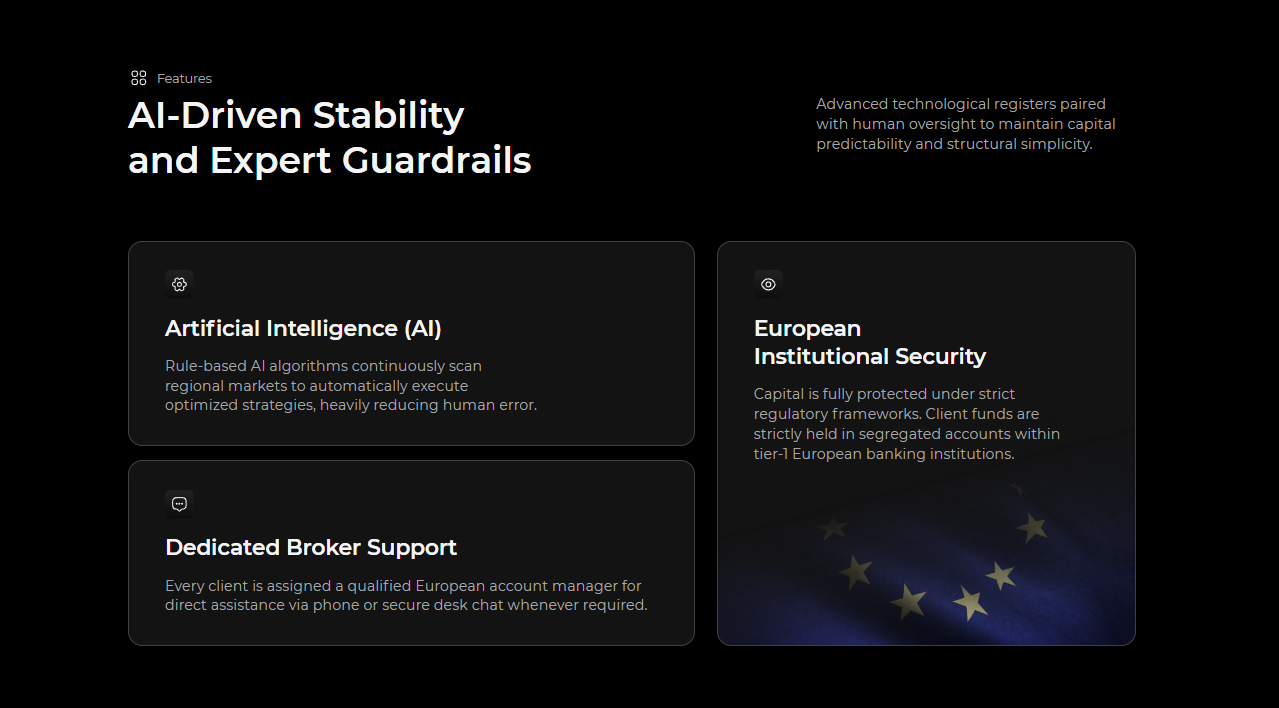
Behind the presentation layer sits an automated risk architecture designed to preserve discipline. Automated guardrails work alongside human oversight to enforce risk parameters, helping prevent emotional biases from destabilizing an account during sudden market swings.
Real-Time Exposure Limits Displayed on the Risk Dashboard
With centralized risk dashboards, one can view exposure limits and margin utilization in a single workspace; there is no need to wade through sub-menus. The system’s automated algorithms are on hand to run portfolio metrics by the book of established safety thresholds at all times.
In the event of high volatility, for instance, proximity alerts will be made plain on the balance register, as noted in this Kepler-Group.com Review. Such real-time oversight ensures that risk awareness remains exacting, obviating any manual work to size positions.
Automated System Overrides for Sudden Volatility Spikes
There are times when a liquidity shortfall or some other macroeconomic surprise can trigger a swift drawdown, leaving no room for manual action. In such instances, rule-based algorithmic overrides will step in of their own accord once volatility has moved beyond the safety corridors have set.
The Kepler-Group.com Review makes clear how low-latency networks of under 12 ms allow for direct liquidity matching. Tier-1 interbank aggregation is what provides the unmanipulated pricing data to active registers.
Should prices move by more than 15%, automated guardrails put a stop to order routing as a way of containing portfolio exposure. These are defensive measures supported by 99.9% redundant servers so that uptime is not compromised even in the face of serious market disruption.
Final Verdict: A Calibrated Workspace Designed for Focus
With its minimalist approach, the architecture of this system is a functional antidote to the over-stimulation one encounters in typical retail interfaces; where there might be elaborate charts, there are instead uncluttered numerical registers.
The Kepler-Group.com Review makes the case that such visual simplicity is what allows for a workspace with a focus on execution stability.
Those who put a premium on automated risk protocols and oversight without the friction will see the value in this framework for long-term management. It is certainly more fitting than the sort of heavy charting strategies that tend to demand outside tools.