Photography has become an essential part of everyday life. Whether capturing family celebrations, documenting travel adventures, creating content for social media, or exploring a creative hobby, digital photography allows people to preserve moments that matter. Advances in camera technology have made photography more accessible than ever, while flexible learning opportunities have enabled beginners to develop their skills from virtually anywhere.
Many people start their photography journey with an online photography course, using structured lessons to build confidence in camera settings, composition, lighting, and image editing before applying these skills in practical situations. Combined with regular practice, a strong understanding of the fundamentals can help photographers create more compelling and technically sound images.
Why Photography Is More Than Taking Pictures
Photography is often described as visual storytelling. Every image communicates something, whether it captures emotion, documents an event, or showcases the beauty of nature.
Learning photography helps people:
- Develop creative thinking
- Observe light and colour more effectively
- Improve attention to detail
- Record important memories
- Build technical camera skills
- Express ideas through visual storytelling
Photography can be enjoyed as a hobby or developed into a professional skill across a wide range of industries.
The Benefits of Flexible Learning
Modern education has made photography more accessible than ever. Many beginners appreciate the convenience of studying through an online photography course, allowing them to learn around work, family, or other commitments.
Flexible learning provides opportunities to:
- Study from home
- Review lessons multiple times
- Learn at your own pace
- Balance study with everyday responsibilities
- Continue practising between lessons
This approach allows learners to gradually build confidence before moving on to more advanced techniques.
Understanding Your Camera
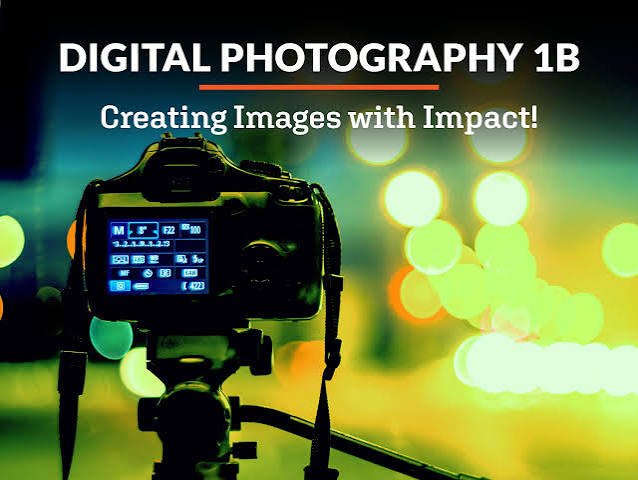
Every camera includes settings that influence how a photograph appears. Learning these controls helps photographers move beyond automatic mode and make creative decisions.
Aperture
Aperture controls the amount of light entering the camera lens. It also affects depth of field, determining whether the background appears sharp or beautifully blurred.
Shutter Speed
Shutter speed controls how long light reaches the camera sensor. Faster shutter speeds freeze movement, while slower speeds can create artistic motion blur.
ISO
ISO determines the camera’s sensitivity to light. Understanding ISO allows photographers to work effectively in different lighting conditions while maintaining image quality.
Mastering the Exposure Triangle
The relationship between aperture, shutter speed, and ISO forms the Exposure Triangle.
Understanding how these settings work together helps photographers:
- Produce balanced exposures
- Photograph moving subjects
- Work in changing light
- Create creative visual effects
- Improve overall image quality
Practising manual camera settings is one of the most effective ways to strengthen technical skills.
Composition Creates Stronger Images
Technical settings are only one part of photography. Composition influences how viewers experience an image.
Popular composition techniques include:
Rule of Thirds
Dividing the image into thirds helps position important subjects naturally within the frame.
Leading Lines
Roads, fences, rivers, and pathways guide the viewer’s attention through the photograph.
Framing
Using natural objects such as windows, trees, or doorways can add depth and focus.
Negative Space
Leaving open space around the subject often creates cleaner and more visually striking images.
Learning to Use Natural Light
Light plays a significant role in every photograph.
Photographers often consider:
- Direction of light
- Shadow placement
- Colour temperature
- Light intensity
- Reflections
Many photographers enjoy photographing during the golden hour shortly after sunrise or before sunset, when softer light produces warm and natural-looking images.
Exploring Different Photography Styles
Photography offers numerous creative opportunities.
Landscape Photography
Australia’s beaches, mountains, rainforests, deserts, and national parks provide spectacular landscape photography locations.
Portrait Photography
Portrait photography focuses on capturing personality, emotion, and natural expressions while making effective use of lighting and composition.
Wildlife Photography
Australia’s unique wildlife offers exciting opportunities for photographers interested in nature. Patience and careful observation often produce the best results.
Travel Photography
Travel photography combines people, culture, architecture, landscapes, and local experiences to tell the story of a destination.
Building Practical Skills
Photography improves through consistent practice.
Beginners may experiment with:
- Indoor photography
- Outdoor photography
- Low-light photography
- Action photography
- Different focal lengths
- Manual camera settings
Each photography session helps strengthen technical understanding while encouraging creativity.
Basic Photo Editing
Photography does not end after taking the picture.
Basic editing techniques can enhance an image while maintaining a natural appearance.
Common adjustments include:
- Exposure
- Contrast
- White balance
- Cropping
- Colour correction
- Sharpness
Thoughtful editing complements good photography rather than replacing it.
Organising Your Images
As photo collections grow, organisation becomes increasingly important.
Helpful practices include:
- Creating folders by date or location
- Using descriptive file names
- Backing up photographs
- Storing images securely
- Maintaining multiple copies of important work
Effective organisation saves time and protects valuable memories.
Developing Creative Confidence
Confidence grows through regular practice and constructive feedback.
Many photographers continue improving by:
- Photographing regularly
- Reviewing previous work
- Experimenting with different genres
- Studying the work of experienced photographers
- Challenging themselves with creative projects
Every photograph provides an opportunity to learn something new.
Helpful Learning Resources
Australians interested in photography and vocational education can explore information provided by the Australian Government.
Information about vocational education is available through myGov:
https://my.gov.au/en/services/education/vocational-education-and-training/vocational-education-and-training-courses
These resources provide useful information about Australia’s vocational education and training system.
Continuing Your Photography Journey
Photography is a skill that develops over time. As confidence grows, many photographers choose to specialise in areas such as portraits, wildlife, sports, architecture, commercial photography, or travel.
Whether photography remains a personal hobby or becomes part of a professional career, continuous learning and regular practice help photographers refine their technical ability and creative vision.
Final Thoughts
Digital photography combines technical knowledge with creativity, allowing people to document meaningful experiences while expressing their unique perspective. Understanding camera settings, composition, lighting, and editing provides a strong foundation for continued growth.
Whether you’re capturing family moments, exploring Australia’s diverse landscapes, or pursuing photography as a creative outlet, building your skills through an online photography course and regular practice can help you gain confidence behind the camera. With patience, curiosity, and a willingness to experiment, photography can become a rewarding lifelong pursuit.