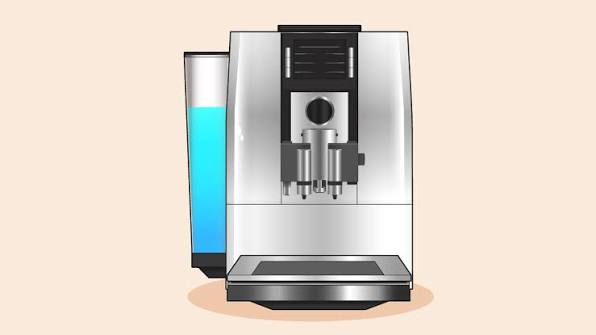
A Jura coffee maker built for business use should have a large water tank, a durable grinder, a proper milk system, and an automatic cleaning cycle that can handle daily heavy use without breaking down. Beyond that, features like personal drink profiles, a bigger bean hopper, and simple touchscreen controls matter far more in an office than they would at home, since several people are relying on the same machine every single day.
Buying for an office is a different job to buying for a kitchen counter at home, and it catches a lot of people out. Before comparing models, it helps to look at a proper jura coffee maker range built specifically for commercial and workplace demand, rather than picking whatever model happens to be popular for home use.
Look for a large water tank, sturdy grinder, reliable milk system, automatic cleaning, and user profile options. These five features handle the daily wear and tear of office use far better than machines built for occasional home brewing, and they keep coffee quality consistent no matter who presses the button.
Why Business Use Changes What You Should Look For
A machine sitting in someone’s kitchen might make three or four cups a day. Put that same machine in an office and it could easily make forty or fifty. That jump in volume is exactly why the features that matter shift once you move from home to workplace.
A Jura automatic coffee maker built with business use in mind is designed around that heavier daily cycle, with sturdier internal parts and settings meant to be used by different people rather than one household.
Water Tank and Bean Hopper Capacity
Water tank size decides how often someone has to stop and refill mid-morning, which matters more than people expect once a queue starts forming. A tank under a litre is fine at home but gets tiresome fast in a shared office kitchen.
What to Check Before Buying
● Water tank of at least 1.9 litres for small teams
● Plumbed-in option for larger offices with steady demand
● Bean hopper that holds enough for a full day without topping up
● Separate compartments if both bean and pre-ground coffee are used
Milk System Quality
Milk-based drinks make up most office orders, so the milk system is not a minor detail, it is one of the most important parts of the whole machine. A weak frother leads to inconsistent foam and drinks that taste different depending on who made them.
A properly built Jura bean to cup coffee maker tends to include a milk system that can switch cleanly between hot milk, foam, and cold options, which keeps quality steady even when ten different people are using it throughout the day.
Grinder Durability and Consistency
Grinders wear out faster than most people assume once daily cup counts climb into the dozens. A weaker grinder can start producing inconsistent grounds within months of heavy office use, which shows up as coffee that tastes fine one day and bitter the next. This is one of the reasons businesses comparing suppliers such as Coffee Seller tend to ask specifically about grinder build quality rather than just looking at the drink menu length.
Cleaning and Maintenance Features
Cleaning matters far more in a shared kitchen than at home, since nobody is officially in charge of the machine and forgotten maintenance is common. An automatic rinse and descale reminder takes that responsibility off any one person’s shoulders.
● Automatic rinse cycle after every use
● Built-in descaling alerts rather than relying on memory
● Removable milk system parts that are dishwasher safe
● Clear on-screen prompts for cleaning steps
User Profiles and Consistency Across Staff
Personal profiles let each person save their preferred strength, cup size, and milk ratio, so the same button always makes the same drink. This matters a lot once more than five or six people are sharing one machine regularly.
A well-specified Jura coffee maker for office settings usually supports several saved profiles, which cuts down on the small daily frustration of a drink coming out too strong or too weak depending on who used the machine last.
Feature Comparison by Office Size
| Feature | Small Team Office | Larger / Busy Office |
| Water tank size | 1 to 1.9 litres is usually enough | Plumbed-in or 2.5 litre plus |
| Milk system | Basic frother or single spout | Fine foam or dual milk system |
| User profiles | Optional, nice to have | Recommended for consistency |
| Grinder capacity | Standard bean hopper | High-capacity hopper |
| Cleaning cycle | Manual rinse acceptable | Automatic clean essential |
These are rough guidelines rather than fixed rules, since actual staff numbers and coffee habits vary from one office to the next. Still, the pattern holds fairly consistently across most workplaces we have seen.
Frequently Asked Questions
1. What is the single most important feature for an office coffee maker?
Durability of the grinder and milk system tends to matter most, since these two parts see the heaviest daily use and are the most expensive to repair if they fail early.
2. Do I need a plumbed-in machine for a small office?
Not necessarily. A small team of under ten people can usually manage well with a machine that has a large removable water tank instead of a plumbed connection.
3. How many user profiles should a business machine support?
This depends on team size, but machines supporting at least six to eight saved profiles cover most small and mid-sized offices comfortably.
4. Is automatic cleaning really necessary for office use?
Yes. Shared machines rarely get manually cleaned on a strict schedule, so an automatic rinse and descale reminder helps maintain hygiene and coffee quality without relying on one person.
5. Can one machine handle both bean-based and instant style drinks?
Some models do support both, though most business buyers prioritise a strong bean-to-cup system first, since it delivers better and more consistent quality across a full working day.
6. How often should an office coffee maker be serviced?
Most manufacturers recommend a professional service roughly once a year for machines under heavy daily use, alongside regular automatic descaling between visits.
Final Thoughts
Choosing the right features comes down to matching the machine to how your office actually drinks coffee, not just picking the model with the longest spec sheet. Grinder quality, milk system reliability, and easy cleaning will matter more day to day than any flashy extra. Coffee Seller has worked with plenty of businesses through exactly this kind of decision, helping match the right features to real office habits rather than guesswork, which is a solid starting point if you are still weighing up your options.