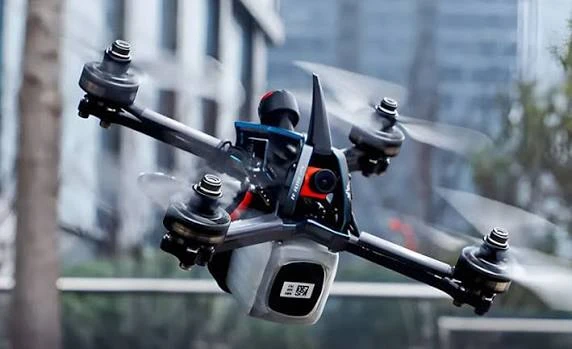
The motor is one of the most important components of an FPV drone. It directly affects acceleration, top speed, flight efficiency, handling response, and overall flying experience. Whether you are building a racing quad, freestyle drone, long-range platform, or cinematic machine, selecting the correct motor setup is essential.
Many beginners choose motors based only on appearance or price, but FPV motors involve several technical factors, including motor size, KV rating, stator dimensions, battery voltage, and propeller compatibility.
Understanding these factors helps pilots build drones that perform efficiently and reliably.
Why FPV Motors Matter in Drone Performance
An FPV drone motors converts electrical energy from the battery into mechanical power that spins the propellers. The amount of thrust and responsiveness generated by the motors determines how the drone behaves in the air.
A properly selected motor can provide:
- Faster acceleration
- Better throttle response
- Longer flight time
- Improved stability
- Higher reliability
On the other hand, an unsuitable motor choice can create problems such as excessive power consumption, overheating, poor handling, or insufficient thrust.
Because motors operate under demanding conditions, choosing quality components is one of the most important steps during a drone build.
Understanding FPV Motor Size
FPV motors are usually described using numbers such as:
- 2207
- 2306
- 2205
- 1404
- 1806
These numbers describe the stator dimensions.
For example:
- The first two numbers represent the stator diameter.
- The last two numbers represent the stator height.
A 2207 motor has a 22mm diameter stator and a 7mm height stator.
Generally:
- Larger stators provide more torque and power.
- Smaller motors are lighter and more efficient for compact builds.
Common Motor Sizes
5-Inch FPV Drones
Popular motors include:
- 2207
- 2306
- 2205
These motors provide a good balance between power, weight, and efficiency.
They are widely used for:
- Freestyle drones
- Racing drones
- Cinematic builds
3-Inch and Lightweight Builds
Smaller motors such as:
- 1404
- 1505
- 1606
are often used for:
- Micro drones
- Lightweight freestyle builds
- Indoor FPV drones
These motors prioritize efficiency and lower weight.
What Does KV Mean on an FPV Motor?
KV is one of the most important specifications when choosing a motor.
Motor KV represents the approximate RPM produced per volt without load.
For example:
A 2300KV motor theoretically spins at:
2300 RPM × battery voltage
Higher KV motors:
- Spin faster
- Provide quicker response
- Work well with lower voltage batteries
Lower KV motors:
- Produce more torque
- Work efficiently with higher voltage batteries
- Usually generate less heat
The correct KV depends on:
- Battery voltage
- Propeller size
- Drone weight
- Flying style
Choosing Motor KV for Different Batteries
3S Battery Setup
3S batteries operate at a lower voltage, so pilots usually choose higher KV motors.
Typical range:
- 2300KV–3000KV
These setups are common for smaller and lightweight drones.
4S Battery Setup
4S is one of the most popular FPV configurations.
Common KV range:
- 2000KV–2600KV
This provides a balance between power and efficiency.
6S Battery Setup
Modern freestyle and racing drones often use 6S batteries.
Typical KV range:
- 1600KV–2000KV
Lower KV motors combined with higher voltage batteries provide strong performance while reducing current demand.
Propeller Compatibility and Motor Selection
Motor selection cannot be separated from propeller choice.
Larger propellers require more torque because they create more aerodynamic resistance.
For example:
- 5-inch propellers require powerful motors
- 3-inch propellers require smaller motors
- Heavy cinematic builds require high torque systems
A motor that works well with a lightweight racing drone may not perform efficiently on a heavier camera platform.
The best combination depends on the entire power system:
- Motor
- Propeller
- Battery
- ESC
- Drone frame
Brushless Motor Quality and Reliability
Most modern FPV drones use brushless motors because they provide:
- Higher efficiency
- Longer lifespan
- Better power output
- Lower maintenance requirements
However, not all brushless motors are manufactured equally.
Quality differences can come from:
- Bearing design
- Magnet strength
- Winding quality
- Bell structure
- Heat dissipation design
For serious FPV pilots, motor durability is especially important because crashes and high-performance flying place significant stress on the components.
How to Select the Right FPV Motor for Your Build
Before purchasing motors, consider these questions:
1. What Size Drone Are You Building?
A 5-inch freestyle drone requires a different motor compared with a 2-inch indoor quad.
2. What Battery Will You Use?
Battery voltage determines suitable KV selection.
3. What Is Your Flying Style?
Racing pilots often prioritize speed and response.
Freestyle pilots usually want a balance between power and control.
Long-range pilots focus more on efficiency and flight time.
4. What Is the Total Drone Weight?
A heavier drone needs more torque to maintain performance.
Finding Reliable FPV Motor Resources
For beginners, researching motor specifications before purchasing is extremely important. Professional FPV suppliers often provide detailed information about motor dimensions, KV options, recommended applications, and compatibility.
For example, FPV-focused platforms such as MEPSKING provide resources and component selections that help pilots compare different motor options based on their drone builds and flying requirements.
Instead of choosing a motor randomly, pilots can use technical specifications and application recommendations to make better decisions.
Common Mistakes When Buying FPV Motors
Many new builders make these mistakes:
Choosing the Highest KV Available
Higher KV does not always mean better performance. It can create excessive current draw and overheating if matched incorrectly.
Ignoring Weight Balance
A powerful motor on a lightweight drone may reduce efficiency.
Selecting Motors Without Considering Propellers
Motor and propeller combinations must work together.
Focusing Only on Price
Cheap motors may save money initially but can lead to shorter lifespan and inconsistent performance.
Conclusion
FPV drone motors are the foundation of flight performance. Understanding motor size, KV rating, battery compatibility, and propeller requirements allows pilots to create more efficient and reliable drones.
Whether you are building a racing quad, freestyle machine, or cinematic drone, selecting the right motor setup can significantly improve your flying experience.
By researching specifications and choosing components from reliable FPV resources, pilots can build drones that deliver the right balance of power, efficiency, and durability.