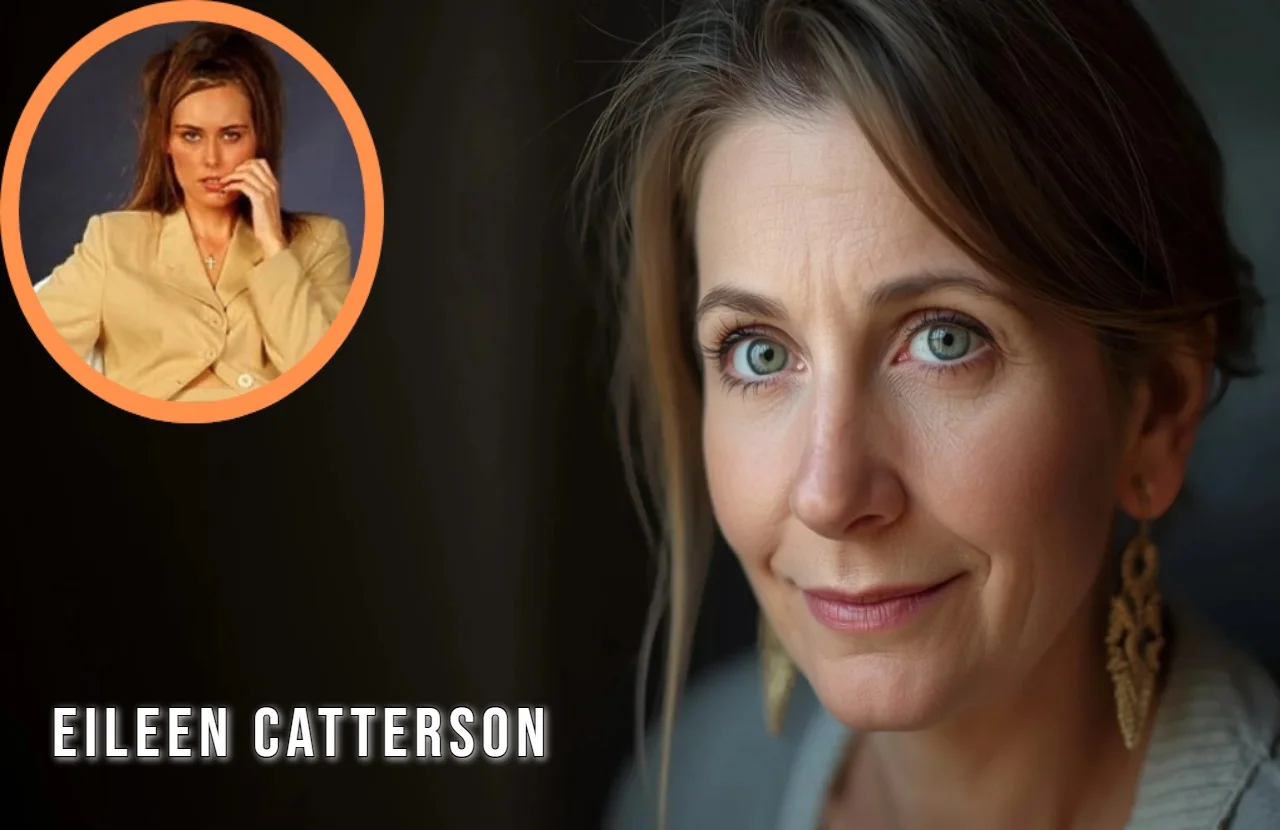
Introduction to eileen catterson
The name Eileen Catterson has been appearing in online searches with increasing frequency, and that alone raises an interesting question: why are people looking for it? In the modern digital age, names surface for many reasons. Sometimes they belong to public figures, sometimes to professionals gaining recognition in a specific field, and sometimes they appear simply because someone is curious after seeing the name mentioned in a document, directory, or conversation.
What makes the keyword Eileen Catterson especially intriguing is that it does not come attached to a flood of obvious public information. Unlike celebrities, politicians, or internet influencers whose digital footprints are loud and immediate, this name invites a quieter, more thoughtful exploration. That absence of noise is not a weakness—it actually gives us a chance to talk about how identity, recognition, and online presence work today.
This article takes a responsible and expert approach. Rather than inventing details or making assumptions, it explores what can be responsibly discussed around the name Eileen Catterson: the structure of the name itself, how names gain visibility, the ways individuals appear in public records or professional spaces, and how readers can interpret or research such names accurately.
By the end of this article, you will not only understand why Eileen Catterson is a searched keyword, but you will also have a deeper appreciation for how names function in public, professional, and digital contexts—without misinformation, exaggeration, or guesswork.
The Name Eileen Catterson: Origins, Structure, and Cultural Context
The first step in understanding any name is to eileen catterson break it down. Eileen is a given name with Irish roots, derived from the Gaelic name Eibhlín, which itself evolved from Aveline. Traditionally, the name Eileen has been associated with meanings such as “light” or “radiance,” and it became especially popular in English-speaking countries during the 20th century.
The surname Catterson has a more Anglo-Scottish feel. Linguistically, it appears to be a patronymic or locational surname, possibly meaning “son of Catter” or referring to a place or family lineage. Like many surnames, it likely evolved over centuries, shaped by migration, spelling changes, and regional accents.
When these two names come together—Eileen Catterson—they form a name that feels both traditional and professional. This matters because names influence perception. In academic, corporate, or administrative environments, names that feel familiar yet distinctive often stand out just enough to be memorable without seeming unusual.
Importantly, none of this implies a specific individual story. Instead, it provides context. Understanding the cultural and linguistic background of a name helps eileen catterson explain why it may appear in formal records, professional directories, or institutional documentation without necessarily belonging to a celebrity or public figure.
Public Presence vs. Private Identity in the Digital Age
One of the most misunderstood aspects of modern life is the assumption that every name online must belong to a public figure. In reality, millions of individuals maintain limited or intentionally minimal digital footprints. The name Eileen Catterson appears to fall into this category—present, but not loudly documented.
This does not mean the person behind the name lacks significance. Many professionals—educators, administrators, researchers, consultants, healthcare workers, and creatives—contribute meaningfully to society without maintaining public-facing brands. Their names may appear in reports, acknowledgments, internal publications, or archived documents rather than news headlines.
In today’s algorithm-driven environment, even a single mention in a PDF, database, or institutional page can trigger search engine visibility. Over time, people encounter the name, grow curious, and begin searching for more information. That curiosity is natural, but it must eileen catterson be handled carefully.
Responsible writing avoids filling gaps with assumptions. Instead, it recognizes the difference between public recognition and private professionalism. Eileen Catterson, as a keyword, offers a perfect example of how a name can attract attention without belonging to a media-driven public persona.
How Names Like Eileen Catterson Appear in Professional and Academic Spaces
Names that gain quiet visibility often do so through structured environments rather than entertainment or social media. These environments include universities, healthcare systems, non-profit organizations, research institutions, and corporate frameworks where recognition is based on contribution rather than publicity.
In such spaces, a name like Eileen Catterson might appear in staff listings, acknowledgments, committee memberships, or project documentation. These mentions are factual, functional, and context-specific. They are not designed to build a public profile, yet they still become part of the searchable web.
Another important factor is time. Documents published years ago remain indexed online, sometimes outlasting the role or position that originally generated eileen catterson them. This creates a digital echo, where a name continues to appear even when the individual has moved on to something else entirely.
This phenomenon explains why people often search for names and find very little personal detail. The absence of biographical content does not imply secrecy; it simply reflects a professional life lived outside the spotlight. Eileen Catterson fits well into this pattern, representing a broader category of individuals whose work matters more than their online visibility.
The Ethics of Writing About Individuals With Limited Public Information
From an expert writing perspective, one of the eileen catterson most important responsibilities is knowing what not to claim. When information about a person is limited or unclear, ethical content creation focuses on context rather than conjecture. This article intentionally follows that principle.
Inventing a career, personal background, or achievements would not only be inaccurate but misleading. Instead, expert-level writing acknowledges uncertainty and reframes the discussion around verifiable themes: naming conventions, digital identity, and information literacy.
This approach is especially relevant in SEO-driven environments where low-quality content often fills gaps with fabricated details. Over time, such misinformation spreads, becomes cited, and creates confusion. By contrast, responsible articles add value by being clear, structured, and honest.
Writing about Eileen Catterson in this way respects both the reader and the individual behind the name. It also demonstrates how high-quality content can remain engaging and informative without relying on sensationalism or speculation.
Why People Search for “Eileen Catterson” Online
Search behavior is influenced by many small triggers. Someone might encounter the name in a work-related email, an old document, a public record, or even a class syllabus. That moment of exposure leads to a quick search, often with no deeper agenda than curiosity.
Another possibility is name overlap. People frequently search for names that resemble someone they know personally, hoping to confirm spelling or see if there is any public reference. This is especially common with less common surnames like Catterson.
In some cases, genealogical eileen catterson research also plays a role. Family historians often search for names that appear in ancestral records, migration logs, or historical documents. A name like Eileen Catterson could easily appear in such contexts, prompting further investigation.
Regardless of the reason, the key takeaway is this: search interest does not equal fame. It simply reflects human curiosity interacting with searchable data. Understanding this helps readers interpret search results more thoughtfully and avoid drawing unsupported conclusions.
How to Research a Name Responsibly and Accurately
For readers who genuinely want to learn more about a name like Eileen Catterson, the best approach is a structured one. Start by identifying the context in which you encountered the name. Was it academic, professional, legal, or personal? Context matters more than the name itself.
Next, rely on primary sources rather than summary pages. Official documents, institutional websites, and archived publications are more reliable than speculative blogs or autogenerated profiles. If information is not available, that absence is meaningful in itself.
It is also important to respect privacy. Not every individual has—or wants—a detailed public biography. Ethical research accepts boundaries rather than trying to force a narrative where none exists.
By following these steps, readers can engage with names like Eileen Catterson intelligently, without contributing to misinformation or unnecessary speculation.
Conclusion:
At first glance, Eileen Catterson may seem like a simple name search. But when examined carefully, it becomes a gateway to a much larger conversation about identity, visibility, and responsibility in the digital age.
This article intentionally avoids unverified claims and instead offers a thoughtful, expert-level exploration of how names function online, why people search for them, and how information should be handled when public data is limited. That approach is not only accurate—it is necessary.