Introduction to Zuhagarten and Why It Matters Today
The term Zuhagarten has been gaining quiet but steady attention, especially among people interested in lifestyle concepts, home design philosophies, digital branding, and modern outdoor or conceptual spaces. At first glance, the word itself feels intriguing—almost poetic—suggesting a blend of structure, creativity, and personal space. While it may not yet be a mainstream term, its rising usage hints at something deeper and more intentional.
Zuhagarten is often associated with the idea of a thoughtfully curated environment. Whether interpreted as a physical garden, a symbolic space, or a digital concept, it carries a sense of purpose and calm. People are increasingly drawn to ideas that promote balance, sustainability, and personal expression, and Zuhagarten fits naturally into that mindset.
In today’s fast-paced world, individuals are searching for ways to slow down and reconnect—either with nature, with themselves, or with meaningful systems that bring order to daily life. Zuhagarten represents this shift. It is less about perfection and more about intention. Less about trends and more about timeless design and thoughtful living.
This article takes a deep dive into the concept of Zuhagarten, exploring its meaning, applications, cultural relevance, and why it resonates so strongly with modern audiences. Whether you’re encountering the term for the first time or looking to understand it on a deeper level, this guide will walk you through everything you need to know.
The Meaning and Origin of the Term Zuhagarten
The word Zuhagarten has a distinctly European feel, particularly Germanic in tone. Linguistically, it appears to combine elements that suggest “belonging,” “care,” and “garden” or “cultivated space.” Even without a strict dictionary definition, the structure of the word implies intentional design and personal ownership over a space or concept.
Unlike words that have rigid meanings, Zuhagarten is flexible. That flexibility is part of its appeal. It can describe a physical garden designed with emotional and aesthetic intention, or it can represent a broader philosophy of creating environments—digital or physical—that feel curated, calm, and meaningful.
This open-ended nature allows people to project their own values onto the concept. For some, Zuhagarten might mean a peaceful backyard retreat. For others, it could represent a brand identity, a design style, or even a mindset centered around thoughtful creation and long-term growth.
The rise of such hybrid words reflects a larger cultural trend. People are increasingly blending language, ideas, and disciplines to create new terms that better reflect modern complexity. Zuhagarten feels like a product of that movement—rooted in tradition but open to contemporary interpretation.
Ultimately, the meaning of Zuhagarten is shaped by how it is used. Its growing popularity suggests that many people see value in the idea of intentionally cultivated spaces, whether those spaces are literal gardens or metaphorical ones.
Zuhagarten as a Concept of Intentional Living
At its core, Zuhagarten aligns closely with the philosophy of intentional living. This approach encourages people to make conscious choices about how they design their environments, spend their time, and invest their energy. Rather than reacting to trends or external pressures, intentional living emphasizes purpose and personal alignment.
A Zuhagarten-inspired lifestyle focuses on cultivation. Just as a garden requires planning, care, and patience, so too does a meaningful life or space. Nothing is rushed, and nothing is random. Each element serves a role, whether aesthetic, functional, or emotional.
This philosophy resonates strongly in a world dominated by speed and constant stimulation. People are increasingly overwhelmed by clutter—both physical and mental. Zuhagarten offers an alternative: a way to simplify without becoming sterile, and to design without overcomplicating.
Importantly, intentional living does not mean rigid control. A Zuhagarten is not a perfectly manicured display but a living system. It evolves over time. Mistakes are part of the process, and imperfections add character rather than detract from value.
By embracing Zuhagarten as a guiding concept, individuals can create spaces and systems that reflect who they truly are, rather than who they feel pressured to be.
Zuhagarten in Garden and Outdoor Space Design
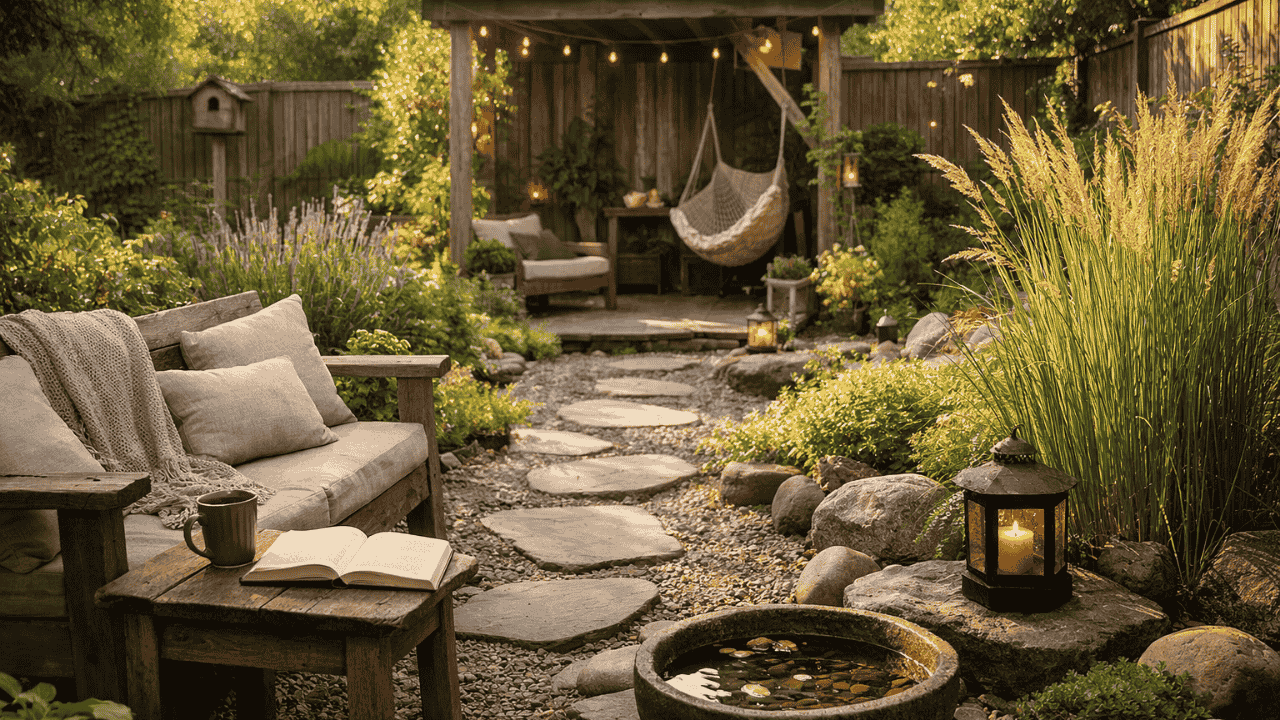
When applied literally, Zuhagarten fits beautifully into modern garden and outdoor space design. It emphasizes balance between nature and structure, encouraging designs that feel organic yet thoughtfully arranged. This approach moves away from overly decorative gardens and toward spaces that feel lived-in and purposeful.
A Zuhagarten-style garden often prioritizes harmony. Plants are chosen not just for appearance but for how they interact with one another, the local climate, and the people using the space. There is an emphasis on sustainability, seasonal awareness, and long-term growth rather than quick visual impact.
Unlike traditional ornamental gardens, a Zuhagarten does not demand constant perfection. Leaves may fall, plants may grow unevenly, and pathways may shift slightly over time. These changes are seen as signs of life rather than flaws.
Outdoor spaces designed with this philosophy often include quiet areas for reflection, simple seating arrangements, and natural materials such as wood or stone. The goal is comfort and connection rather than display.
In this context, Zuhagarten becomes more than a garden—it becomes a sanctuary. A place where people can slow down, think clearly, and reconnect with the rhythms of nature.
The Digital Interpretation of Zuhagarten
Interestingly, Zuhagarten has also found relevance in digital spaces. Many people now use the term to describe thoughtfully curated online environments, such as websites, content platforms, or personal brands. In this sense, Zuhagarten represents digital minimalism paired with meaningful structure.
A digital Zuhagarten is not cluttered with unnecessary features or distractions. Instead, it is designed with the user experience in mind. Navigation is intuitive, content is purposeful, and every element serves a clear function.
This approach contrasts sharply with many modern digital platforms that prioritize engagement metrics over genuine value. Zuhagarten-inspired digital spaces focus on clarity, depth, and long-term trust rather than short-term attention.
Content creators and website owners who adopt this mindset often find that their audiences respond positively. People appreciate environments that respect their time and intelligence. A Zuhagarten digital space feels calm, reliable, and human.
As the internet becomes increasingly noisy, the appeal of such spaces continues to grow. Zuhagarten offers a framework for building digital experiences that feel intentional rather than overwhelming.
Zuhagarten and Modern Lifestyle Branding
In the world of branding, Zuhagarten represents a powerful idea. Modern consumers are no longer just buying products; they are buying values, stories, and identities. Brands that align with the Zuhagarten philosophy tend to emphasize authenticity, sustainability, and thoughtful design.
Rather than shouting for attention, Zuhagarten-style brands communicate quietly and confidently. Their messaging feels considered, their visuals are cohesive, and their offerings are consistent with their stated values.
This branding approach builds trust over time. Customers feel that the brand understands them and respects their intelligence. There is less pressure to constantly innovate for the sake of novelty and more focus on refining what already works.
Zuhagarten branding also allows room for growth. Just like a garden, a brand can evolve naturally, adding new elements without losing its core identity. This flexibility is particularly valuable in changing markets.
As consumers become more selective, brands that embrace this philosophy are likely to stand out—not through loud marketing, but through genuine connection.
Psychological Benefits of the Zuhagarten Mindset
One of the most compelling aspects of Zuhagarten is its psychological impact. Creating and maintaining intentional spaces—whether physical or conceptual—has been shown to reduce stress and increase feelings of control and satisfaction.
When people design environments with care, they feel more grounded. A Zuhagarten provides a sense of order without rigidity, allowing the mind to relax while still feeling engaged. This balance is particularly important in high-stress lifestyles.
The process of cultivation itself is therapeutic. Watching something grow over time, whether a garden or a project, reinforces patience and long-term thinking. These qualities are often overlooked in a culture focused on instant results.
Additionally, Zuhagarten encourages reflection. By slowing down and paying attention to details, individuals become more aware of their needs and values. This self-awareness contributes to better decision-making and overall well-being.
In this way, Zuhagarten is not just a design philosophy—it is a mental health ally.
Zuhagarten and Sustainability Principles
Sustainability is a natural companion to the Zuhagarten concept. Because it emphasizes long-term thinking and mindful resource use, it aligns well with environmentally conscious practices.
In physical spaces, this might involve choosing native plants, reducing water usage, or using reclaimed materials. In digital spaces, sustainability can mean efficient design, reduced data overload, and content that remains relevant over time.
Zuhagarten rejects the idea of disposability. Instead of constantly replacing or redesigning, it encourages maintenance and adaptation. This approach reduces waste and fosters deeper appreciation for what already exists.
Sustainability also extends to personal energy. By creating environments that support rather than drain, individuals can live more balanced lives with less burnout.
As sustainability becomes a global priority, philosophies like Zuhagarten offer practical, human-centered ways to participate in positive change.
How to Create Your Own Zuhagarten
Creating a Zuhagarten begins with intention. The first step is to decide what kind of space or system you want to cultivate. This could be a garden, a workspace, a website, or even a daily routine.
Next comes observation. Rather than rushing into action, take time to understand your environment and needs. What works well? What feels cluttered or unnecessary? Zuhagarten values thoughtful planning over impulsive decisions.
Implementation should be gradual. Add or change elements slowly, allowing time to see how they interact. This approach reduces overwhelm and increases satisfaction with the final result.
Maintenance is just as important as creation. A Zuhagarten is never “finished.” It requires ongoing care, reflection, and occasional adjustment. This process becomes part of its value.
By approaching creation in this way, anyone can build a Zuhagarten that reflects their unique personality and goals.
Common Misunderstandings About Zuhagarten
Despite its appeal, Zuhagarten is sometimes misunderstood. One common misconception is that it requires minimalism to an extreme degree. In reality, Zuhagarten is not about having less—it is about having what matters.
Another misunderstanding is that it demands perfection. On the contrary, imperfection is embraced. A Zuhagarten values authenticity over flawlessness, recognizing that life is inherently dynamic.
Some people also assume that Zuhagarten is expensive or inaccessible. While it can involve investment, its core principles are free. Intention, care, and patience cost nothing but time and attention.
Finally, Zuhagarten is sometimes seen as vague or abstract. While flexible, it becomes very concrete when applied. Its strength lies in adaptability rather than rigid definition.
Understanding these nuances helps people apply the concept more effectively and authentically.
The Future of Zuhagarten as a Cultural Idea
As society continues to grapple with complexity and overload, ideas like Zuhagarten are likely to gain more traction. People are searching for frameworks that help them create meaning without adding pressure.
Zuhagarten’s adaptability makes it especially relevant. It can be applied across cultures, industries, and personal circumstances. This universality gives it long-term potential rather than short-lived trend status.
In the future, we may see the term used more formally in design, wellness, and branding discussions. It could also inspire new interpretations and applications as people continue to redefine what intentional living looks like.
What matters most is not the word itself, but the values it represents. Zuhagarten encourages care, patience, and thoughtful creation—qualities that will always be relevant.
As more people adopt this mindset, its influence is likely to grow quietly but steadily.
Conclusion: Why Zuhagarten Is More Than Just a Word
Zuhagarten is more than a keyword or a design trend. It represents a shift in how people think about space, time, and intention. Whether applied to gardens, digital platforms, brands, or personal lives, it offers a framework for meaningful creation.