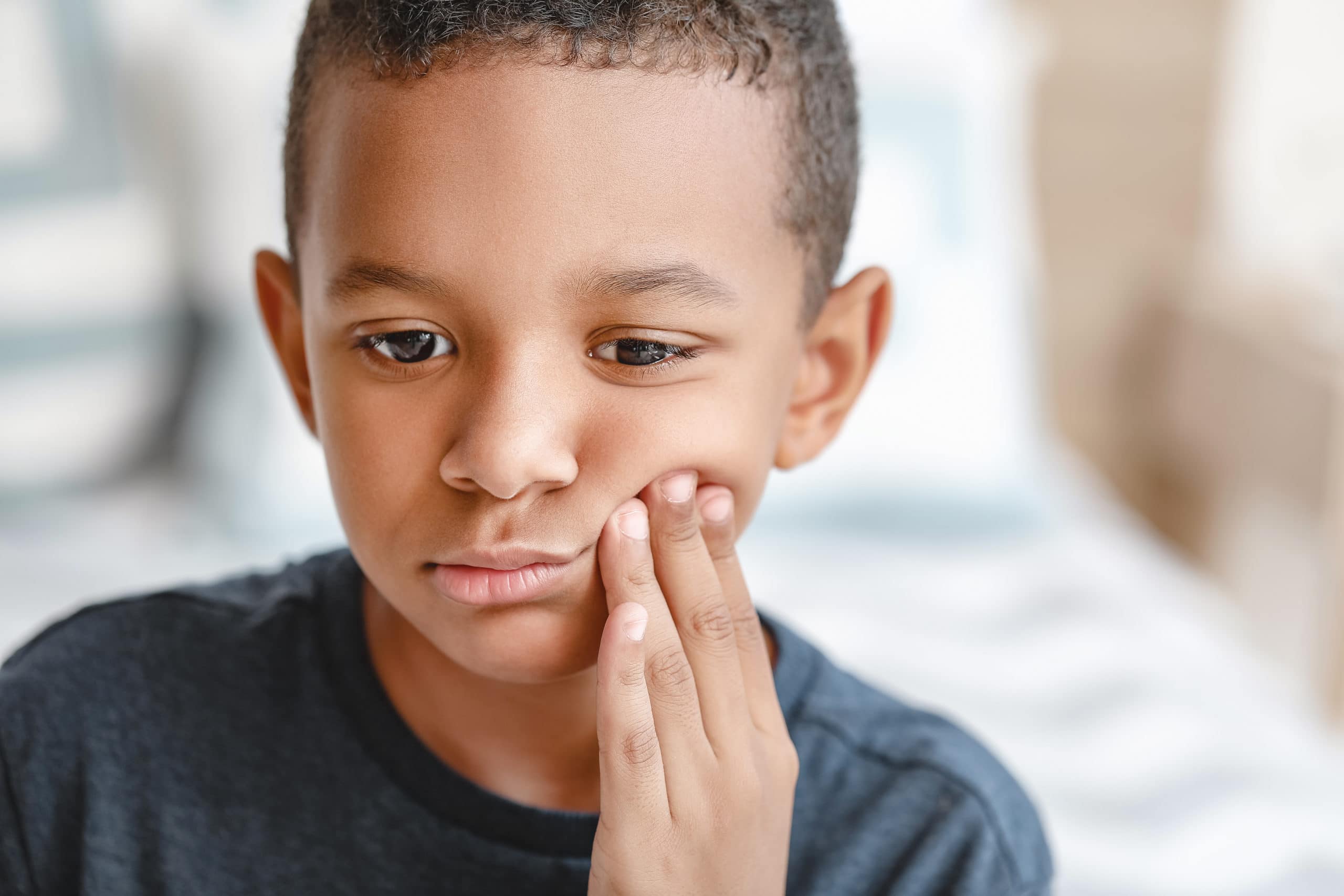
It often starts suddenly. A child wakes up crying in the middle of the night, refuses to eat breakfast, or points to their mouth without being able to explain what hurts. For many parents, a first toothache quickly becomes stressful because the cause is unclear. Some assume it is a loose baby tooth, while others worry about cavities, infection, or injury.
Tooth pain in children should never be ignored. Even mild discomfort can signal an underlying issue that may worsen if left untreated. Understanding the possible causes helps parents respond calmly and seek the right care before the problem becomes more serious.
Why Children Get Toothaches
A child’s toothache can happen for several reasons, and not all of them are immediately visible. Tooth decay is one of the most common causes. Cavities form when bacteria in the mouth produce acids that damage the tooth enamel over time. As the decay reaches deeper layers of the tooth, pain and sensitivity often develop.
In some cases, children may complain about pain when eating cold foods, drinking something sweet, or chewing on one side of the mouth. Younger children may simply become irritable or avoid eating altogether.
Dental abscesses are another possible cause. This occurs when infection develops around the root of the tooth, leading to swelling, throbbing pain, or tenderness in the gums. Severe infections may also cause fever or swelling in the face. Tooth injuries are also common in children. Falls, sports accidents, or biting hard objects can crack or damage teeth. Sometimes the tooth looks normal externally while the inner nerve has been affected.
Teething and Emerging Adult Teeth
Not every toothache is caused by decay or infection. As children grow, adult teeth pushing through the gums can create pressure, soreness, and discomfort. Molars are particularly known for causing pain as they erupt. Food can also become trapped around partially erupted teeth, irritating the gums and increasing sensitivity.
Parents often struggle to distinguish between normal teething discomfort and a more serious dental issue. If the pain continues for more than a day or worsens over time, a dental assessment is usually recommended.
Signs Parents Should Not Ignore
Children do not always describe dental pain clearly, especially at a younger age. Instead, behavioural changes often provide the first clue. A child with a toothache may avoid chewing, become sensitive to hot or cold foods, wake frequently during the night, or become unusually upset during meals.
Swelling around the gums, persistent bad breath, or visible spots on the teeth can also indicate dental problems. Pain that becomes severe, throbbing, or accompanied by fever should never be delayed. Infections can spread if left untreated, leading to more complicated dental treatment later.
Why Early Dental Care Matters
Many parents assume baby teeth are temporary and, therefore, less important. However, primary teeth play a major role in chewing, speech development, and guiding adult teeth into the correct position.
Untreated dental problems in childhood can lead to pain, difficulty eating, poor sleep, and increased anxiety around dental visits. Early treatment is often simpler and less stressful than waiting until the condition becomes severe.
Regular dental check-ups also help identify problems before they cause pain. Dentists can detect early decay, monitor tooth development, and advise parents on oral hygiene and diet. When a cavity is found early, tooth filling Sydney treatment may help restore the affected tooth before the decay spreads deeper and causes further discomfort.
What Parents Can Do at Home
When a child first complains about tooth pain, parents can take a few practical steps before seeing a dentist. Rinsing the mouth gently with warm salt water may help reduce irritation. Parents should also check whether food is trapped between the teeth, as this can sometimes cause temporary discomfort.
Cold compresses applied to the outside of the cheek may help with swelling or soreness. However, aspirin should never be placed directly on the gums because it can irritate soft tissue. It is also important to avoid giving extremely hot, cold, or sugary foods until the tooth has been assessed. While home care may ease discomfort temporarily, persistent tooth pain still requires professional evaluation.
Preventing Future Toothaches
Good oral hygiene remains the most effective way to prevent dental pain in children. Brushing twice daily with fluoride toothpaste and regular flossing help reduce plaque buildup and tooth decay. Diet also plays a major role. Frequent sugary snacks, soft drinks, and sticky foods increase the risk of cavities. Encouraging water instead of sugary beverages can significantly improve oral health.
Regular dental visits are equally important. Many dental issues develop gradually without obvious symptoms at first. Routine check-ups allow early intervention before pain develops. Teaching children healthy dental habits early often reduces fear around dental care and supports better long-term oral health.
Conclusion
A child’s first toothache can feel overwhelming for parents, especially when the cause is unclear. What appears to be minor discomfort may result from cavities, infection, emerging teeth, or hidden dental injuries. Ignoring dental pain can allow problems to worsen, leading to greater discomfort and more complicated treatment later.
Recognising early warning signs and seeking prompt assessment helps protect both the child’s comfort and long-term oral health. With regular dental care, healthy habits, and early attention to symptoms, many childhood toothaches can be treated quickly and prevented in the future.
FAQs
1. What is the most common cause of a toothache in children?
Tooth decay and cavities are the most common causes of tooth pain in children.
2. Can teething cause tooth pain in older children?
Yes. Emerging adult teeth, especially molars, can cause gum soreness and pressure as they come through.
3. When should I take my child to the dentist for tooth pain?
If the pain lasts more than a day, worsens, or includes swelling or fever, a dental appointment should be arranged promptly.
4. Can a cracked tooth cause pain even if it looks normal?
Yes. Small cracks or internal damage may not be visible, but can still affect the tooth nerve and cause sensitivity.
5. How can I help relieve my child’s toothache at home?
Warm saltwater rinses, checking for trapped food, and using a cold compress may help temporarily until a dentist can assess the issue.
6. Are baby teeth important if they eventually fall out?
Yes. Baby teeth help with eating, speech development, and guiding permanent teeth into position properly.