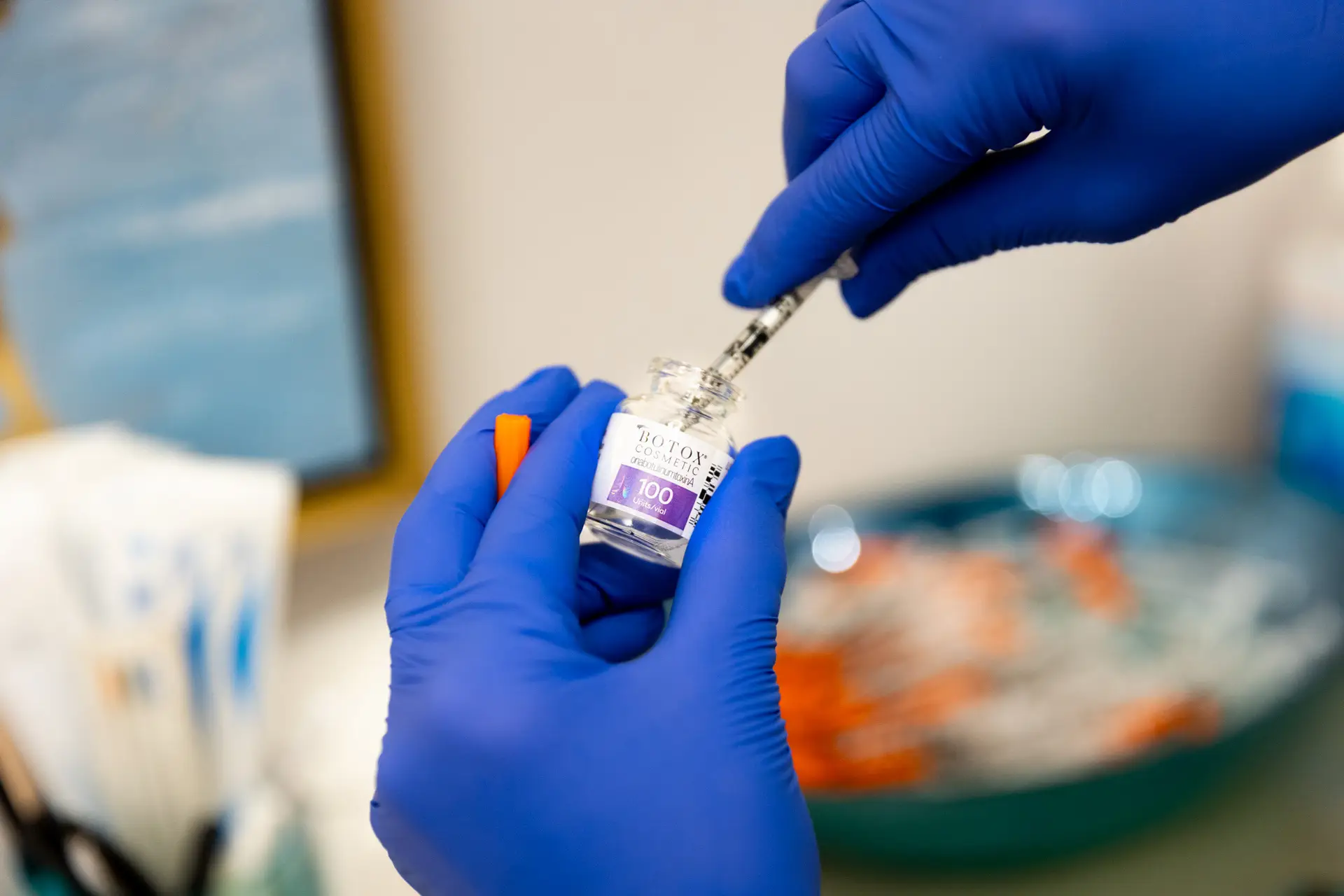
A first Botox appointment often begins with a simple concern: a line between the brows, a forehead crease, or a change in how the face looks in photographs. The next step is less obvious. Which treatment suits that concern, how should a provider assess it, and what would a worthwhile result look like?
For people in Danville, researching options can include practices in surrounding communities. A useful search should lead beyond photographs and appointment availability to an informed conversation about suitability, expectations, and follow-up. This guide explains how to prepare for that conversation without assuming that every facial line needs an injectable treatment.
Start with the concern you want to address
Before comparing clinics, describe what bothers you in ordinary language. You might want to soften a frown that looks prominent in photos or reduce forehead lines while retaining expression. Write down one or two priorities rather than arriving with a long list of procedures. A clear goal gives the clinician something specific to evaluate.
People researching Botox treatments in Danville may also consider nearby San Ramon, where MedLounge publishes information about its Botox services. That resource can help frame questions for a consultation, but the appointment should establish whether the proposed treatment matches your individual needs.
Treat a practice website as a starting point. Confirm the office location, who will assess you, who will perform the injections, and how to contact the practice afterward. These details are more useful for planning a first visit than assuming that a geographic search phrase identifies the actual treatment address.
Understand what Botox is intended to do
Botox Cosmetic is a prescription botulinum toxin product that temporarily reduces activity in selected muscles. Its approved cosmetic uses include moderate to severe forehead lines, frown lines, and crow’s feet in adults, as well as certain neck bands. The official product information explains these uses and their safety considerations.
The distinction between a line created by movement and a line visible at rest helps explain why an assessment matters. Muscle activity is only one part of facial appearance. Skin texture, volume, and other changes may call for a different discussion. Ask the clinician to explain what the proposed injections can improve and what they are unlikely to change.
Avoid treating Botox as a general solution for every sign of aging. A useful plan has boundaries: the concern being addressed, the expected degree of improvement, and the reasons for choosing this approach. If another treatment is proposed, ask for its separate rationale rather than accepting several procedures as a single package.
Make the consultation a two-way conversation
The American Academy of Dermatology recommends a consultation and questions about provider experience, expected results, complications, and cost. It advises seeking a board-certified dermatologist or a member of that doctor’s medical staff, with the dermatologist immediately available when staff administer injections. These are helpful criteria when evaluating a treatment setting.
Bring a complete medication and supplement list and describe previous cosmetic treatments. Share relevant medical history, previous reactions, and pregnancy or breastfeeding plans. The clinician needs this information to assess suitability. Do not stop prescribed medication on your own to prepare for a cosmetic appointment.
A concise question list can keep the discussion focused:
- Who will assess me and perform the injections, and what are their qualifications?
- Which concern does the proposed treatment address, and what may remain afterward?
- Which product will you use, and why is it appropriate for this plan?
- What is the total expected cost, including any consultation or follow-up fees?
- When will you review the result, and whom should I contact with concerns?
Listen for explanations you can repeat in your own words. If you cannot describe the plan after the conversation, ask the clinician to clarify it. Taking time to decide is reasonable, especially when the recommended treatment differs from what you initially expected.
Define a result that fits your preferences
Words such as refreshed or natural can mean different things to different people. Explain how much change you want and which expressions you value. A photograph may help communicate a concern, but it should support the discussion rather than serve as a promise that your result will match another person’s.
Ask how the clinician will balance your priorities and assess the outcome. A shared description of success is more useful than a vague assurance that you will look better. It also gives the follow-up visit a purpose: checking whether the agreed concern improved and whether you are comfortable with the change.
Plan for timing and follow-up
Results develop over time. The American Academy of Dermatology reports that many people notice improvement within three to seven days and that effects commonly last around three to four months, sometimes longer. Timing varies, so use the clinician’s review schedule instead of judging the outcome immediately after treatment.
If you are planning around a wedding, work event, or photographs, discuss the date before booking. Leave room in your schedule for the provider’s recommended assessment and review. A first appointment is also a chance to learn what the process involves before deciding whether ongoing treatment fits your preferences.
Request written aftercare instructions and keep the practice’s contact details accessible. Clarify any restrictions, when normal activities can resume, and what to do if you have questions. Advice from social media should not override instructions given for your treatment.
Understand risks before agreeing to treatment
The Academy lists possible effects such as redness, soreness, bruising, swelling, and headache, as well as unintended weakness in a neighboring muscle. Discuss how these possibilities relate to the proposed treatment and your history. A short appointment still requires an informed decision.
The manufacturer warns that serious symptoms can occur after Botox Cosmetic, including swallowing, speaking, or breathing problems. Seek medical help immediately for those symptoms. Review the product’s safety information with the clinician, including allergies, infection at the proposed injection site, and relevant muscle or nerve conditions.
Compare the complete plan and its cost
Ask for an estimate you can understand before agreeing to treatment. Clarify what is included, how follow-up is handled, and whether any later adjustment carries an additional fee. If you compare practices, compare the proposed products and treatment plans as well as the quoted amount.
An appointment that is easy to attend and a practice you can reach afterward are practical considerations. Consider travel, scheduling, and communication together. Keeping a brief record of the product, treatment date, and your own observations can also make future conversations more precise.
Choose an informed next step
A useful consultation ends with clarity about the proposed treatment, its limitations, its cost, and the follow-up process. You may decide to proceed, ask more questions, or wait. The right next step is one you understand and feel comfortable choosing after an individual assessment.