Your roof is basically a giant shield that stands between your living room and the unpredictable elements. Most of the time, we don’t even think about it until a leak starts dripping on the coffee table. One of the most common but overlooked issues homeowners face is the development of open seams. If you are currently dealing with leaks or suspect your roof is aging poorly, seeking professional roof repair farmington can save you from a massive headache down the road. These tiny gaps might look harmless, but they are often the starting point for serious structural damage.
The Mechanics of a Roof Seam
Most modern roofs are not just one solid piece of material. Whether you have shingles, metal panels, or a flat rubber membrane, there are spots where different sections meet and overlap. These are the seams. To keep water out, roofers use adhesives, heat welding, or mechanical fasteners to seal these joints shut. When the roof is brand new, these seals are airtight and watertight. However, a roof is a dynamic structure. It sits out in the sun, gets pounded by rain, and deals with shifting temperatures every single day. Over time, the very things that hold these seams together can start to fail.
Why Seams Start to Pop Open
The biggest culprit behind open seams is thermal expansion and contraction. Think about how a wooden door sticks in the frame during a humid summer. Your roof does something similar. During the day, the sun beats down and causes the roofing materials to expand. At night, as things cool off, the materials shrink back down. This constant “breathing” puts an immense amount of pressure on the glue or the welds at the seams. Eventually, the bond gets tired and starts to pull apart.
Water is another major factor. If water manages to sit on a seam for too long, it can find a tiny microscopic entry point. Once it gets under the edge, it begins to eat away at the adhesive from the inside out. In colder climates, this is even worse because of the freeze-thaw cycle. Water gets into the seam, freezes into ice, expands, and physically pries the seam open like a crowbar.
The Role of Poor Installation
Sometimes the problem starts before the roof is even finished. If a contractor rushes the job or works in bad weather, the seams might never bond correctly. For example, if a rubber roof is installed while it is too cold or too damp, the glue won’t cure properly. Within a year or two, those seams will start to curl up at the edges. Using cheap materials or the wrong type of sealant for a specific climate also guarantees that the seams will fail long before the actual roofing material wears out. It is a classic case of a chain only being as strong as its weakest link.
Why You Can Not Afford to Wait
An open seam is essentially an open door for moisture. Unlike a punctured shingle, which might only let in a little bit of water, an open seam can act like a funnel. Because seams often run along the valleys or the edges of a roof where water naturally flows, a failed seal can lead to massive amounts of water entering the home in a single storm.
Once water gets past that top layer, it hits the roof decking. This is usually made of wood, and wood does not like being wet. Wood rot can set in surprisingly fast. If the decking rots, the structural integrity of the entire roof is compromised. Beyond the wood, you have to worry about mold. Mold loves the dark, damp space of an attic, and once it starts growing, it can spread through your ventilation and affect the air quality of your entire house. Dealing with a seam repair is a minor task compared to a full mold remediation and structural rebuild.
Signs Your Seams are Failing
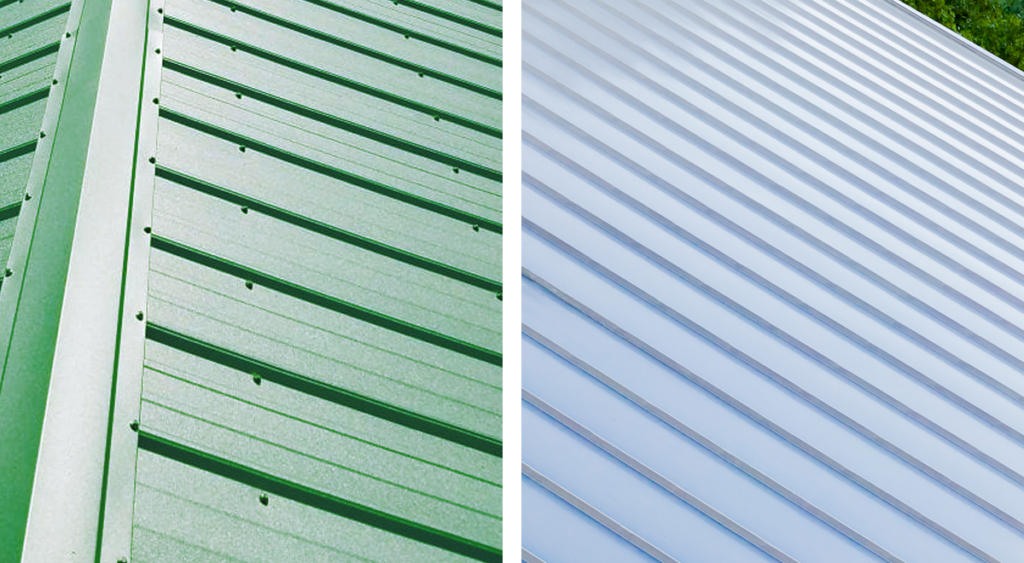
You do not always have to climb a ladder to know there is a problem. If you look up at your roof and see edges that look like they are “smiling” or curling upward, that is a clear red flag. On metal roofs, you might see gaps between the panels where the screws have backed out or the sealant has dried up and cracked. Inside the house, look for yellow or brown staining on the ceiling. Even a small spot that appears after a heavy rain is a sign that a seam has likely given way somewhere above that spot.
Final Word
Ignoring a small gap in your roofing material is a gamble that rarely pays off. The longer you wait, the more expensive the fix becomes as water works its way into the bones of your home. Taking care of your roof and calling roof repair farmington services early on ensures that a simple seam failure does not turn into a full roof replacement. Keep an eye on those joints and stay ahead of the weather.