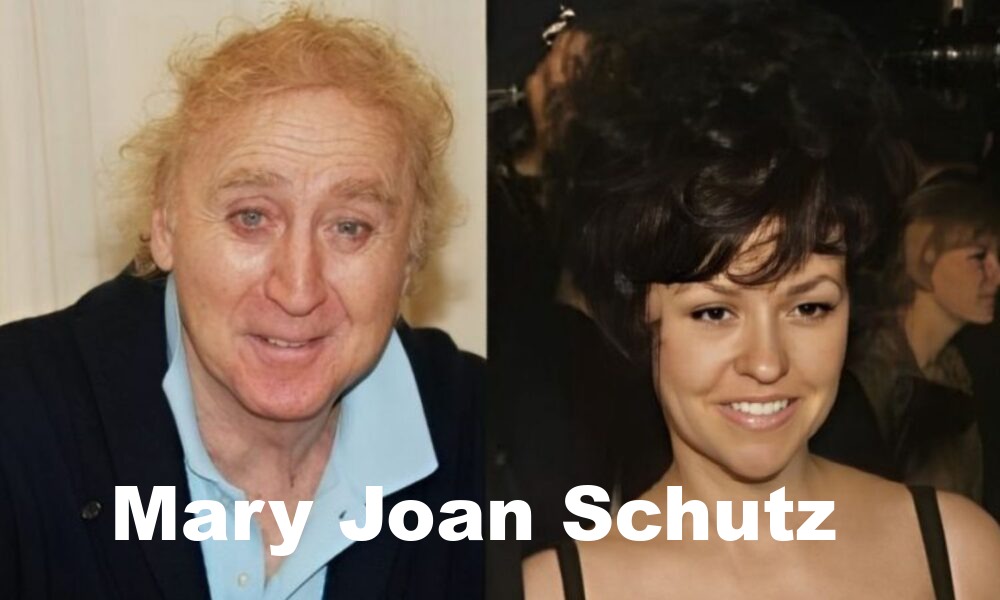
Mary Joan Schutz
Introduction: Why Mary Joan Schutz Still Matters Today
Mary Joan Schutz is one of those figures who may not dominate headlines or social media feeds, yet her story continues to spark curiosity decades later. Often mentioned in connection with legendary actor and comedian Gene Wilder, Mary Joan Schutz represents a generation of women whose lives intersected with fame but remained largely private by choice. Her life offers an interesting lens into Hollywood relationships, personal sacrifice, emotional complexity, and the cost of living near the spotlight without fully stepping into it.
Unlike modern celebrity spouses who frequently build personal brands, businesses, or media platforms, Mary Joan Schutz lived during a time when privacy was not only respected but expected. This makes her story both intriguing and elusive. People want to know who she was beyond the label of “Gene Wilder’s wife,” and rightly so. Her experiences reveal much about personal identity, trust, heartbreak, and resilience.
This article explores Mary Joan Schutz in depth, moving beyond surface-level facts. We’ll look at her background, her relationship with Gene Wilder, the emotional dynamics of their marriage, her role as a mother, and the legacy she left behind. More importantly, we’ll examine why her story still resonates today, especially in an era obsessed with fame and public validation.
By the end of this article, you’ll have a clear, well-rounded understanding of Mary Joan Schutz—not as a footnote in someone else’s biography, but as a person whose life reflects quiet strength and deeply human struggles.
Early Life and Personal Background of Mary Joan Schutz
Very little verified public information exists about Mary Joan Schutz’s early life, which is both intentional and telling. She lived a largely private existence before and after her association with Hollywood, a rarity even in her time. What is known suggests that she valued normalcy, emotional security, and family life far more than fame or public recognition.
Mary Joan Schutz was born and raised in the United States, likely in a middle-class environment that emphasized traditional values. Her upbringing appears to have shaped her preference for privacy and emotional sincerity. Unlike many people who gravitate toward the entertainment industry, she was not known to pursue acting, modeling, or any form of public-facing career.
This grounding likely played a significant role in her later life choices. When she eventually entered a relationship with Gene Wilder, she did so as a person firmly rooted in her own values, not as someone seeking status or attention. This contrast between her personality and Hollywood culture would later become an important factor in her personal journey.
Her early years remain largely undocumented, but sometimes absence of information speaks louder than abundance. Mary Joan Schutz’s story is one of quiet presence rather than public performance, and that theme carries throughout her life.
Marriage to Gene Wilder: Love, Hope, and High Expectations
Mary Joan Schutz married Gene Wilder in 1967, at a time when his career was on the rise but had not yet reached legendary status. Their relationship was built during a transitional phase in Wilder’s life, making it both intimate and emotionally intense. At that stage, Wilder was still defining himself professionally, while Schutz offered stability and emotional support.
Their marriage was not merely a Hollywood union; it was deeply personal. Mary Joan Schutz brought a daughter from a previous relationship into the marriage, and Gene Wilder embraced the role of stepfather. This created a family dynamic rooted in trust, affection, and shared responsibility, at least in the early years.
Mary Joan Schutz believed deeply in the marriage and in Wilder’s role as a committed partner and father figure. By many accounts, she was devoted and emotionally invested, prioritizing family over public life. This commitment highlights her belief in long-term partnership rather than fleeting romance.
However, the pressures of fame, work schedules, and emotional distance began to surface as Wilder’s career expanded. While Mary Joan Schutz remained grounded in domestic life, Hollywood demanded more of Wilder’s time and emotional energy. This imbalance would eventually take a toll on their relationship.
The Emotional Impact of Hollywood on Their Relationship
Hollywood has a way of reshaping relationships, especially when one partner becomes increasingly famous. For Mary Joan Schutz, this transformation was not glamorous—it was emotionally taxing. As Gene Wilder’s career soared, the emotional gap between public success and private life widened.
Mary Joan Schutz was not immersed in the Hollywood social scene. She did not chase celebrity friendships or public attention, which may have left her feeling isolated as Wilder’s world expanded. Fame often brings admiration from strangers, but it can also introduce distance in intimate relationships.
One of the most significant emotional challenges in their marriage involved trust. Rumors and realities of Hollywood relationships can strain even the strongest bonds. Mary Joan Schutz reportedly struggled with emotional insecurity during this period, particularly as Wilder worked closely with other actresses.
This environment created emotional stress that went beyond normal marital challenges. For someone who valued emotional loyalty and stability, Hollywood’s fluid boundaries likely felt overwhelming. Her reaction was not unusual; many spouses of public figures experience similar struggles, though few speak about them openly.
The Role of Trust and the Breakdown of the Marriage
Trust became a central issue in Mary Joan Schutz’s marriage to Gene Wilder. Reports suggest that suspicions of infidelity, whether fully confirmed or not, deeply affected her emotional well-being. At the heart of the matter was not just betrayal, but the feeling of emotional abandonment.
Mary Joan Schutz believed strongly in the family unit they had built, especially for the sake of her daughter. When that sense of security was shaken, the emotional consequences were profound. Trust, once broken or even seriously questioned, can permanently alter how a person feels within a relationship.
The situation reportedly escalated when Gene Wilder developed a close relationship with actress Madeline Kahn during the filming of Young Frankenstein. Whether or not this relationship crossed boundaries, the emotional impact on Mary Joan Schutz was significant. For her, perception mattered as much as reality.
Eventually, the emotional strain became too heavy to bear, leading to the dissolution of their marriage in 1974. The divorce marked the end of not just a romantic relationship, but a shared family vision that Mary Joan Schutz had deeply believed in.
Life After Divorce: Choosing Privacy Over Public Attention
After her divorce from Gene Wilder, Mary Joan Schutz made a deliberate choice to step away from public life entirely. Unlike many who might leverage a high-profile marriage into media opportunities, she chose silence and privacy. This decision speaks volumes about her character and priorities.
Mary Joan Schutz did not give interviews, write memoirs, or publicly criticize her former husband. Instead, she focused on rebuilding her life away from the emotional turbulence of Hollywood. This approach allowed her to heal on her own terms, without public scrutiny.
Her post-divorce life is largely undocumented, which is rare and refreshing. It suggests a person who valued peace over publicity and personal healing over public validation. In a culture increasingly driven by oversharing, her restraint feels both admirable and powerful.
This quiet withdrawal also protected her daughter from unnecessary attention. Mary Joan Schutz consistently placed family and emotional safety above curiosity from the outside world.
Mary Joan Schutz as a Mother and Protector
One of the most defining aspects of Mary Joan Schutz’s life was her role as a mother. Her daughter was central to her identity and decision-making, particularly during and after her marriage to Gene Wilder. Family was never secondary for her—it was the foundation.
Gene Wilder reportedly had a close relationship with his stepdaughter during the marriage, which made the eventual separation even more emotionally complex. After the divorce, Mary Joan Schutz chose to distance herself completely, prioritizing emotional boundaries and protection.
Her actions suggest a deep commitment to shielding her child from instability and emotional confusion. Walking away from a relationship that once felt like family is never easy, but sometimes it is necessary for long-term well-being.
This maternal strength is one of the most overlooked aspects of Mary Joan Schutz’s story. She was not just navigating personal heartbreak; she was making decisions with lasting impact on another life.
Why Mary Joan Schutz Avoided the Spotlight
Mary Joan Schutz’s refusal to engage with media attention was not accidental—it was intentional. She understood the emotional cost of public exposure and chose a different path. This choice reflects emotional intelligence and self-awareness.
Fame can distort personal narratives, reducing complex lives into simplified headlines. By staying silent, Mary Joan Schutz retained control over her own story. She did not allow others to define her solely through her marriage or divorce.
Her silence also prevented public conflict. In an era before social media, it would have been easy to sell a story, but she chose dignity instead. This decision has preserved her image as someone grounded, thoughtful, and emotionally principled.
In many ways, her absence from the spotlight has made her more intriguing. People are drawn to what they cannot easily access, especially when it involves authenticity rather than performance.
Cultural Relevance and Ongoing Public Curiosity
Despite her private life, Mary Joan Schutz continues to be searched and discussed, particularly by fans of Gene Wilder. This curiosity reflects a broader cultural interest in the personal lives behind iconic public figures.
People want to understand the emotional context behind creativity, humor, and fame. Mary Joan Schutz represents the unseen emotional labor often performed by partners of successful individuals. Her story adds depth to the narrative of Hollywood success.
She also represents a contrast to modern celebrity culture. In today’s world, where visibility is often equated with value, her quiet life challenges that assumption. Her relevance lies not in what she shared publicly, but in what she chose to keep private.
This ongoing interest is less about gossip and more about humanizing history. Mary Joan Schutz’s life reminds us that behind every famous name is a network of real people with real emotions.
Legacy: What Mary Joan Schutz Represents Today
Mary Joan Schutz’s legacy is subtle but meaningful. She represents emotional authenticity, personal boundaries, and the courage to walk away from situations that no longer serve one’s well-being. Her life is a reminder that not all strength is loud.
She also symbolizes a generation of women whose stories were often overshadowed by the men they married. Revisiting her life allows for a more balanced understanding of personal history and emotional contribution.
In a culture increasingly focused on personal branding, her story offers an alternative definition of success—one rooted in self-respect and emotional clarity. She did not need public applause to validate her choices.
Mary Joan Schutz may never seek recognition, but her story continues to resonate because it reflects universal themes of love, loss, trust, and healing.
Conclusion: Understanding Mary Joan Schutz Beyond the Name
Mary Joan Schutz is far more than a historical footnote in Hollywood history. Her life reflects the complexities of love, the emotional cost of fame, and the power of choosing oneself when circumstances demand it. She lived with intention, even when that intention led her away from public life.
About the Author