Introduction
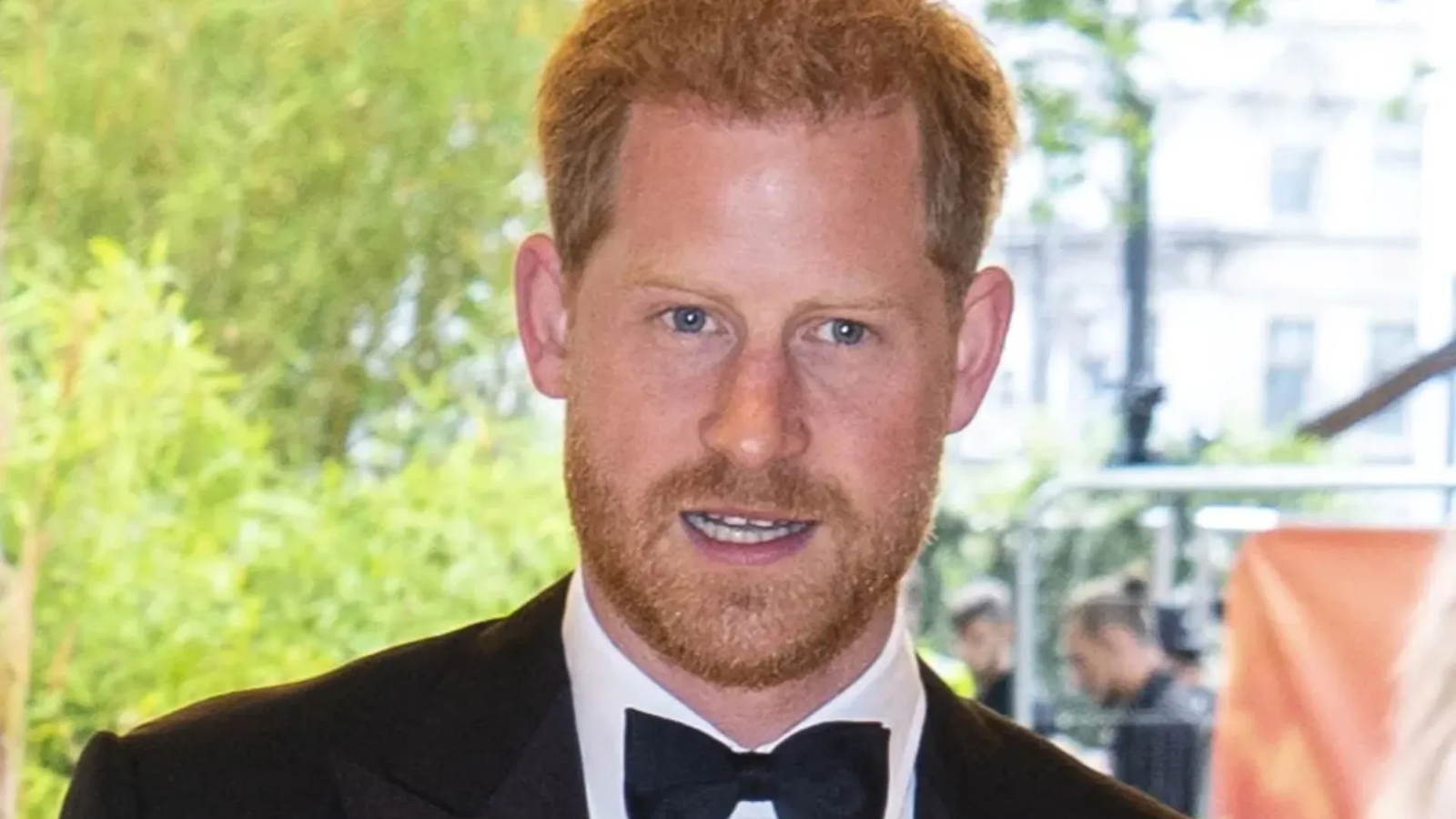
The phrase “Prince Harry ‘Downton Abbey’ joke” has become a popular search term after many royal watchers became curious about one of the Duke of Sussex’s lighthearted comments comparing royal life to the famous British period drama. While the British royal family often appears formal and traditional, Prince Harry has repeatedly shown a willingness to speak candidly about his personal experiences. His humorous comparison quickly caught public attention because it blended comedy with subtle commentary about royal life.
What made the joke especially memorable was that it arrived during a broader conversation about the reality of growing up within one of the world’s most famous families. Instead of presenting royal life as a glamorous fairy tale, Harry suggested that public perceptions often resemble television fiction more than everyday reality. That contrast sparked discussions across social media, entertainment news, and royal commentary.
In this article, we’ll explore the background of the Prince Harry ‘Downton Abbey’ joke, why it resonated with audiences, how it reflects Harry’s communication style, and what it reveals about modern perceptions of the British monarchy.
The Context Behind Prince Harry’s ‘Downton Abbey’ Joke
The joke did not appear in isolation. Prince Harry has participated in several interviews where he discussed the realities of royal life, media attention, and family dynamics. During one of those conversations, he referenced Downton Abbey, the beloved television series that portrays aristocratic life in early twentieth-century England.
His comparison suggested that many people imagine royal life as something straight out of a lavish historical drama. Elegant dinners, grand estates, formal servants, and endless ceremonies create an image that resembles television more than reality. Harry’s remark highlighted the gap between public fantasy and his own lived experience.
Rather than criticizing the television series itself, Harry used it as a cultural reference that nearly everyone recognizes. Because Downton Abbey is internationally popular, the joke instantly connected with audiences across different countries and generations.
Why the Joke Became So Popular
One reason the Prince Harry ‘Downton Abbey’ joke spread so widely is that it combined humor with authenticity. Royal interviews often become major news events, and even a brief humorous remark can dominate headlines for days.
People appreciate moments when public figures show personality instead of carefully scripted responses. Harry’s relaxed style has often distinguished him from the more formal image traditionally associated with the monarchy. His willingness to laugh about royal stereotypes made the conversation feel more approachable.
Social media also played an important role. Clips of the interview were shared repeatedly on platforms including X, Instagram, TikTok, and YouTube. Fans discussed whether the comparison was accurate, while critics debated its deeper meaning. The result was a viral moment that extended far beyond the original interview.
Understanding the Downton Abbey Comparison
At first glance, comparing royal life to Downton Abbey seems amusing because both involve British traditions, historic estates, and ceremonial customs. However, the similarities only go so far.
The television drama focuses on fictional aristocrats living in a very different historical period. Modern members of the British royal family operate under intense media scrutiny, constant public appearances, and twenty-four-hour news coverage. Their responsibilities differ dramatically from those portrayed in the series.
Harry’s joke worked precisely because audiences already understand these differences. By referencing a fictional drama, he gently challenged romanticized assumptions without delivering a lengthy explanation. Humor became an effective way to communicate a more complex point.
Prince Harry’s Communication Style
Throughout recent years, Prince Harry has developed a reputation for speaking more openly than many previous generations of royals. Whether discussing mental health, military service, family relationships, or charitable work, he often adopts a conversational tone that feels accessible to modern audiences.
The Prince Harry ‘Downton Abbey’ joke fits naturally into this communication style. Instead of relying on formal language, he used a familiar pop culture reference to explain how people often misunderstand royal life.
This approach also reflects broader trends in public communication. Today’s audiences generally respond well to authenticity, storytelling, and humor. By using an example from popular television, Harry made his message easier to understand while keeping the conversation engaging.
Public Reactions to the Joke
Reactions to the joke varied considerably depending on people’s views of Prince Harry and the royal family. Supporters appreciated his honesty and saw the comment as a refreshing reminder that royal life is more complicated than many imagine.
Others interpreted the remark as another example of Harry distancing himself from traditional royal expectations. Some commentators argued that the comparison oversimplified complex issues surrounding monarchy and public service.
Despite differing opinions, most observers agreed on one point: the joke succeeded in generating conversation. Whether people laughed, agreed, or disagreed, they engaged with the topic, proving the power of humor in shaping public discourse.
How Pop Culture Shapes Royal Perceptions
Television shows like Downton Abbey, historical films, documentaries, and fictional novels all contribute to the public’s understanding of British aristocracy. Although entertaining, these portrayals often blur the line between historical fiction and contemporary reality.
The British monarchy occupies a unique position because it combines centuries-old traditions with modern responsibilities. State ceremonies, diplomatic engagements, charitable initiatives, and constitutional duties rarely resemble dramatic television storylines.
Harry’s reference encouraged audiences to question these assumptions. While people enjoy imagining royal life through the lens of elegant period dramas, the daily responsibilities of today’s royals are significantly more demanding and far less theatrical.
Why the Joke Still Matters
Although it was delivered humorously, the Prince Harry ‘Downton Abbey’ joke continues to resonate because it touches on broader themes about identity, public expectations, and media narratives.
Public figures often struggle with the gap between perception and reality. In Harry’s case, many assumptions about his upbringing stem from movies, documentaries, and fictional representations of aristocratic Britain. His joke gently challenged those assumptions while remaining entertaining.
The moment also illustrates how modern celebrities and royals increasingly use humor to communicate serious ideas. Rather than delivering formal speeches, they often rely on relatable cultural references that encourage audiences to think differently.
The Lasting Impact on Royal Conversations
The continued popularity of searches related to the Prince Harry ‘Downton Abbey’ joke demonstrates how even brief comments can become lasting parts of public conversation. Royal interviews are analyzed extensively because every remark can reveal something about the personalities behind the public image.
For Prince Harry, the joke reinforced his reputation as someone willing to challenge stereotypes with honesty and humor. It also highlighted the evolving relationship between the monarchy, the media, and younger generations who consume news differently than previous audiences.
As public interest in the British royal family continues, moments like these remind us that humor often becomes the most memorable part of larger discussions. A single witty comparison can spark debates about history, culture, media representation, and modern royal life all at once.
Conclusion
The Prince Harry ‘Downton Abbey’ joke became memorable because it was much more than a simple punchline. It cleverly contrasted the romantic image many people have of royal life with Harry’s own experiences, using one of Britain’s most recognizable television dramas as the perfect point of reference.
Its popularity reflects the public’s ongoing fascination with the royal family and the way humor can simplify complex ideas. Whether viewed as a witty observation, a subtle critique, or simply an entertaining moment, the joke successfully encouraged people to reconsider long-held assumptions about life inside the monarchy.
Ultimately, the lasting appeal of the Prince Harry ‘Downton Abbey’ joke lies in its balance of humor, cultural relevance, and authenticity. It serves as a reminder that behind the grandeur often associated with royalty are real people navigating extraordinary public lives—something no television drama can fully capture.