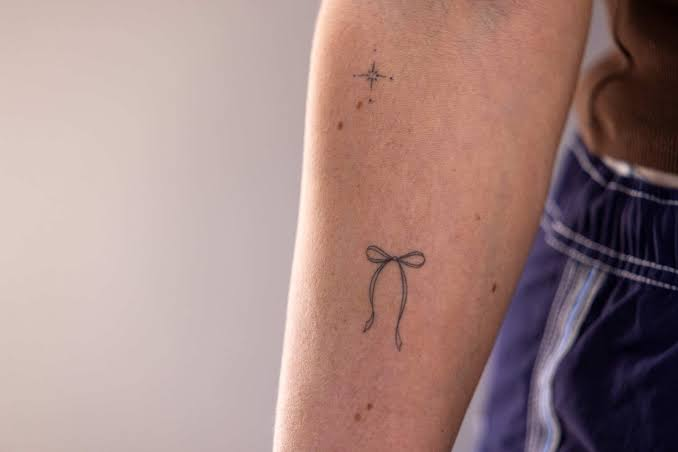
Fine line tattooing has become one of the fastest-growing tattoo styles in Australia, admired for its clean lines, subtle detail, and timeless aesthetic. From minimalist symbols to intricate botanical designs and delicate script, fine line tattoos require patience, precision, and a solid understanding of tattoo fundamentals.
Many people interested in entering the tattoo industry begin by researching a tattoo artist course online to better understand the knowledge and practical skills involved before deciding whether the profession is the right fit. While learning pathways vary, developing technical ability, artistic confidence, and an understanding of health and safety standards are essential for anyone considering tattooing.
What Is Fine Line Tattooing?
Fine line tattooing focuses on creating detailed designs using thin, precise lines rather than heavy outlines or large areas of shading. The style is commonly used for:
- Floral illustrations
- Minimalist artwork
- Single-line designs
- Fine lettering
- Geometric patterns
- Small symbolic tattoos
- Delicate animal illustrations
Because the lines are often extremely fine, accuracy is essential. Small mistakes can be more noticeable than in larger, bolder tattoo styles.
Why Fine Line Tattoos Are Popular
The popularity of fine line tattooing has grown significantly over recent years. Many clients appreciate the understated appearance of these designs, which can suit both first-time tattoo clients and experienced collectors.
Common reasons people choose fine line tattoos include:
- Elegant appearance
- Smaller designs
- Personal symbolism
- Versatility
- Modern aesthetic
- Detailed artwork
Although fine line tattoos often appear simple, they usually require considerable technical skill to execute cleanly.
Developing Artistic Skills
Drawing remains one of the most valuable skills for aspiring tattoo artists.
Before working on skin, artists typically spend significant time developing their understanding of:
Line Control
Consistent line quality forms the foundation of fine line tattooing. Practising smooth, confident strokes helps improve precision and control.
Composition
A successful tattoo balances proportion, spacing and placement while complementing the body’s natural shape.
Perspective
Understanding depth, proportion and symmetry helps create artwork that appears balanced from different viewing angles.
Regular sketching is one of the best ways to improve artistic confidence over time.
Understanding Tattoo Equipment
Tattoo artists work with specialised equipment designed to apply pigment beneath the skin safely and accurately.
Common equipment includes:
- Tattoo machines
- Cartridges or needles
- Power supplies
- Grip covers
- Barrier protection
- Inks
- Disposable supplies
Understanding the purpose of each item contributes to safer and more efficient workflows.
Hygiene and Infection Prevention
Maintaining excellent hygiene standards is one of the most important responsibilities of any tattoo professional.
Areas commonly covered in education include:
- Hand hygiene
- Personal protective equipment
- Surface cleaning
- Equipment handling
- Cross-contamination prevention
- Safe disposal of sharps
- Sterile work practices
These procedures help minimise health risks for both artists and clients.
Information about Australia’s vocational education system is available through the Australian Government:
Information about registered training organisations and vocational education quality is available from the Australian Skills Quality Authority:
Tattoo businesses must also comply with state and territory public health regulations, which vary across Australia.
Learning About Skin
Understanding skin anatomy helps artists appreciate how tattoos heal and why technique influences the final result.
Important concepts include:
Skin Layers
Tattoo pigment is placed within specific layers of the skin. Consistent depth contributes to clearer healed results.
Healing
Every client’s skin heals differently depending on several factors, including aftercare and individual skin characteristics.
Skin Types
Different skin tones and textures may influence design choices and tattoo application techniques.
Consultation Skills
Communication is just as important as artistic ability.
Before any tattoo session, artists usually discuss:
- Design ideas
- Placement
- Size
- Expectations
- Medical considerations
- Aftercare requirements
Effective consultations help ensure both artist and client share the same understanding before work begins.
Practising Fundamental Techniques
Many people researching a tattoo artist course online discover that tattooing involves much more than operating a tattoo machine.
Developing practical ability often includes learning about:
- Needle control
- Machine setup
- Hand positioning
- Stretching the skin
- Line consistency
- Workspace organisation
These skills improve gradually through supervised learning and consistent practice.
Importance of Design Planning
Every tattoo begins with thoughtful preparation.
Artists often consider:
Placement
The body’s natural shape influences how artwork appears from different angles.
Size
Small tattoos require careful planning to ensure fine details remain clear over time.
Longevity
Design choices should consider how tattoos may age as skin naturally changes.
Client Aftercare
Proper aftercare plays an important role in healing.
General aftercare guidance may include:
- Keeping the tattoo clean
- Following the artist’s instructions
- Avoiding unnecessary irritation
- Monitoring healing
- Returning if concerns arise
Clients should always follow the advice provided by their tattoo professional.
Building Professional Skills
Success in tattooing involves more than artistic talent.
Professional skills include:
- Communication
- Time management
- Organisation
- Customer service
- Professional ethics
- Continuing education
These qualities contribute to positive client experiences and long-term career development.
Continuing Education
The tattoo industry continues to evolve as artists explore new equipment, techniques and creative styles.
Many artists continue developing their skills by:
- Attending workshops
- Studying different artistic styles
- Learning from experienced professionals
- Reviewing their own work
- Practising drawing regularly
Continuous learning helps artists refine both technical ability and creativity.
Someone considering a tattoo artist course online may use it as a starting point to understand the theory behind tattooing, but practical experience, mentorship and adherence to health regulations remain essential parts of professional development.
Career Opportunities
Tattoo artists work in a variety of professional settings, including:
- Private studios
- Multi-artist tattoo studios
- Custom design studios
- Guest artist positions
- Independent businesses
Career pathways vary depending on experience, artistic ability, local licensing requirements and ongoing professional development.
Final Thoughts
Fine line tattooing combines artistic creativity with technical precision, requiring patience, practice and a commitment to high professional standards. From understanding skin anatomy and hygiene to refining drawing skills and client communication, every aspect contributes to producing safe, high-quality tattoos.
Whether you’re exploring the profession out of personal interest or researching a tattoo artist course online to better understand the field, developing a strong foundation in tattoo theory, safety, artistic design and responsible practice is an important first step. With ongoing learning, consistent practice and respect for Australia’s health and safety expectations, aspiring tattoo artists can continue building the knowledge and confidence needed to progress in this creative profession.