In the ever-evolving landscape of audio technology, headphones have become an indispensable accessory for millions across the globe. With roots tracing back to the early 20th century, these devices have undergone significant transformations. Today, they not only provide personal entertainment but also feature in professional environments and auditory enhancement applications.
The Historical Trajectory of Headphone Development
Initially developed for telecommunication and military use, headphones have radically transformed since their inception. The very first models were cumbersome and primarily focused on mono sound delivery. It wasn’t until the 1950s that stereophonic sound was integrated, laying the groundwork for modern audio experiences. The evolution of this technology has consistently been propelled by the need for better sound quality, portability, and designs that cater to diverse auditory preferences.
Technological Advancements Fuelling Headphones’ Growth
Over the decades, technological advancements have greatly shaped the functionality and aesthetics of headphones. One prominent development was the transition from wired to wireless formats. The introduction of Bluetooth technology liberated users from tangling cords, making portable audio more convenient. In recent times, developments like active noise cancellation and high-fidelity sound reproduction have elevated the auditory experience to unprecedented levels. Modern headphones now offer features like touch controls, adaptive sound technologies, and even biometric monitoring.
The Diverse Ecosystem of Headphone Types
Headphones come in a variety of designs and sizes, each catering to different listening needs and preferences.
Over-Ear Headphones
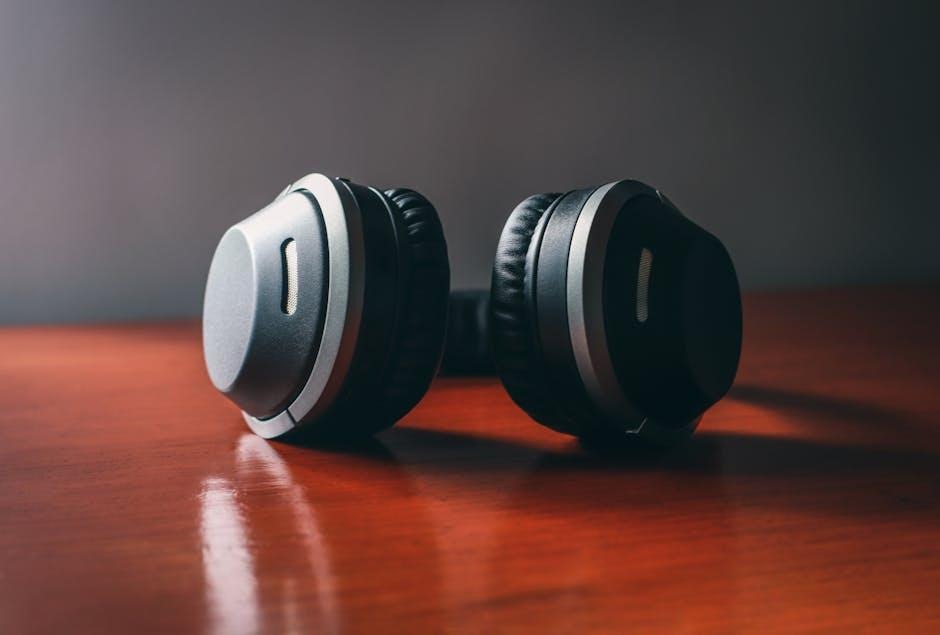
These are known for their large cups that fully enclose the ears, offering excellent sound isolation. Over-ear headphones are popular among audiophiles and professionals due to their superior soundstage and comfort during prolonged use. They are ideal for environments where high sound quality is necessary, such as in studios or for serious music listening sessions.
On-Ear Headphones
Less bulky than their over-ear counterparts, on-ear headphones rest on the ear and offer a balance between sound quality and portability. They are suitable for casual listeners who appreciate good sound without the full isolation effect. On-ear models typically feature well-padded ear cups and adjustable bands for comfort.
In-Ear and Earbuds
These compact headphones fit snugly in the ear canal and are immensely popular due to their lightweight and highly portable nature. They are favoured for everyday usage, commutes, and workouts. Innovations in this category have led to advancements in sound quality, noise isolation, and wireless connectivity.
True Wireless Earbuds
A recent addition to the ecosystem, true wireless earbuds eliminate all wires, including those usually connecting the two earpieces. This segment has gained massive popularity for its sheer convenience and sleek designs, making it ideal for people on the go. True wireless technology continues to evolve with better battery life and sound capabilities.
The Role of Acoustic Engineering in Headphones
The remarkable sound quality associated with premium headphones is a result of advanced acoustic engineering. This field encompasses the study of sound waves and vibration to optimise audio delivery. Engineers work meticulously to design headphones that can capture a wide range of frequencies, delivering a balanced sound signature. Incorporating innovative materials and sophisticated electronic circuitry, modern headphones are engineered to enhance user experience with crisp, clear, and immersive audio.
Headphones in the Digital Age
The digital age has radically transformed how we interact with headphones. Streaming services offering high-resolution audio have pushed manufacturers towards creating devices capable of reproducing studio-quality sound. Additionally, the integration of artificial intelligence (AI) is reshaping how headphones function. Some advanced models can now provide personalised audio experiences by adjusting settings based on the listener’s preferences and the surrounding environment.

The Intersection of Fashion and Headphone Design
Beyond their utilitarian function, headphones have become a fashion statement. Collaborations between audio brands and fashion designers have led to the creation of bespoke models that combine aesthetics with exceptional sound quality. The demand for stylish and unique headphones has led to a market where design variety is as significant as technological innovation.
The Environmental Impact and Headphones
In the quest to cater to consumer demand, the environmental ramifications of headphone production have gained attention. Companies are increasingly focusing on sustainable practices, such as using recyclable materials and reducing their carbon footprint. Understanding and addressing the lifecycle impact of headphones is crucial for a sustainable future.
Conclusion: Heading into the Headphones’ Future
While this article does not provide a conclusion, it is evident that the trajectory of headphone technology is poised for further innovation. The driving forces behind their evolution continue to be the demand for improved sound quality, convenience, and sophisticated designs. As the landscape of personal audio continues to expand and evolve, exploring contemporary and advanced models can provide insightful glimpses into the future of this ever-changing industry.