Most people book a waste collection, watch the team load everything up, and then… wonder. Where does it all go? Is it actually recycled? Does it end up in a landfill? If you’ve ever asked yourself those questions after arranging waste clearance services in London, you’re not alone. The good news is that responsible waste removal involves a well-organised chain and understanding it gives you confidence that your rubbish is being handled the right way.
Why Does It Actually Matter Where Your Waste Ends Up?
It matters for three reasons: the environment, the law, and your own peace of mind.
Under the UK’s Duty of Care regulations, you are legally responsible for your waste until it reaches a licensed facility even after a collection company takes it away. If a rogue operator dumps your waste illegally, you could face a fine of up to £5,000 as a householder, or unlimited fines if you’re a business. Choosing a properly licensed waste carrier isn’t just about convenience, it’s about making sure the chain of custody for your rubbish is clean, documented, and compliant from start to finish.
What Happens the Moment the Collection Team Leaves?
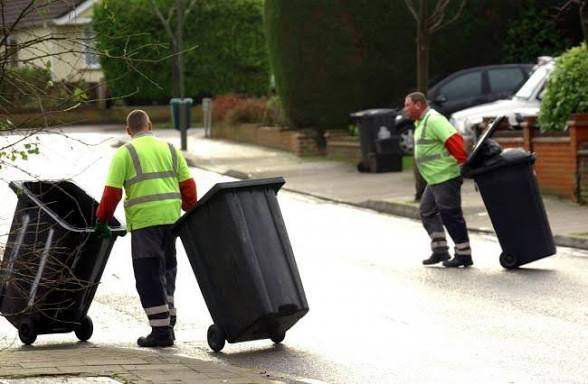
Once the truck pulls away from your property, the process is already underway. Experienced waste removal teams sort as they load, separating materials that can be recycled from general waste, and flagging anything that requires specialist handling (such as WEEE items or hazardous materials).
Vehicles typically head to a licensed Waste Transfer Station (WTS), where loads are weighed, documented, and sorted further. Every licensed operator is required to keep a waste transfer note for each collection, a paper trail that proves where your waste went and how it was handled. This is the moment where professional services genuinely separate themselves from unlicensed ‘man with a van’ operators who may skip this step entirely.
Where Does London Waste Go After the Transfer Station?
From the transfer station, materials are routed to different destinations depending on their type:
Recyclable materials (timber, metals, cardboard, certain plastics) are sent to specialist recycling processors. Timber is often chipped into biomass fuel or processed for wood recycling. Scrap metal is sold to metal recycling facilities. Cardboard and paper go to paper mills.
WEEE waste (fridges, washing machines, TVs, small electricals) is sent to approved WEEE treatment facilities, where hazardous components like refrigerants and batteries are safely extracted before materials are recovered.
Inert waste (rubble, soil, concrete from construction and builders’ jobs) often goes to aggregate recycling plants, where it’s crushed and reused in road building or construction fill.
Residual waste that cannot be recycled goes to an Energy from Waste (EfW) facility or, as a last resort, licensed landfill. London has significantly increased its EfW capacity in recent years, meaning far less waste ends up buried than a decade ago.
For commercial waste clearance clients especially, responsible operators provide waste consignment notes and can detail the recycling rate achieved useful for businesses with sustainability reporting requirements.
What Gets Recycled and What Doesn’t?
A common misconception is that mixed loads mean nothing gets recycled. In reality, a well-run household waste clearance operation will divert a significant proportion of materials away from landfill, even when items arrive mixed.
Items that are almost always recovered and recycled include:
· Metal (ferrous and non-ferrous)
· Clean timber and wood
· Cardboard and paper
· Glass
· Certain hard plastics
· Electrical items and appliances (via WEEE streams)
Items that are harder to recycle and more likely to go to residual waste include heavily contaminated materials, mixed composites (like foam-backed carpet), and soft plastics. A good operator will always aim to maximise recovery but being upfront with your collection team about what you have helps them sort more effectively on the day.
What Does a Licensed Waste Carrier Do That Others Don’t?
In London, anyone transporting waste as part of a business must be registered with the Environment Agency as an Upper Tier Waste Carrier. This registration requires compliance with strict handling and disposal obligations, and it can be checked instantly on the EA’s public register.
A licensed operator will:
· Issue a waste transfer note for every collection (your legal protection under Duty of Care)
· Use licensed transfer stations and recycling facilities only
· Maintain documented recycling rates and disposal routes
· Handle hazardous materials through approved channels
· Carry public liability insurance
When you book with an unlicensed operator often significantly cheaper — none of this is guaranteed. Your waste could be fly-tipped, and you could be held partly liable.
Want to Know Your Waste Is in Good Hands?
Understanding the journey from collection to recycling is the first step — choosing the right partner for that journey is the second. We Clear Junk has been handling waste removal in London since 2006, operating a fully licensed fleet of 15 trucks across the city. Every collection comes with a waste transfer note, responsible disposal through licensed facilities, and a focus on maximising recycling at every stage.
Ready to clear responsibly? Explore our full range of waste clearance services or get in touch with our team for a fast, no-obligation quote.
Frequently Asked Questions About Waste Removal in London
Q: Can I ask a waste removal company for proof of where my waste went?
A: Yes, and a reputable company will provide this without hesitation. Ask for your waste transfer note. You’re legally entitled to it and should keep it for at least two years.
Q: Is all waste removal in London recycled?
A: Not 100%, but a licensed professional service will divert the maximum possible amount from landfill. Recycling rates vary by waste type, but responsible operators consistently outperform general waste disposal averages.
Q: What’s the difference between a licensed waste carrier and a skip hire company?
A: Both should be Environment Agency registered. The key difference is that a waste carrier collects and removes waste from your location directly, whereas skip hire leaves a container for you to fill. For awkward access, tight London streets, or mixed loads, a direct collection service is often more practical.
Q: Does it cost more to use a responsible, licensed waste carrier?
A: Not necessarily. Licensed operators compete on price while maintaining compliance. Be cautious of prices that seem unusually low; they often reflect corners being cut on disposal.
Q: What happens to furniture and usable items that are collected?
A: Good operators will always try to donate or resell items that are still in usable condition before sending them to recycling. If you have items you’d like to be donated rather than disposed of, mention this when you book.