Living with chronic pain changes a lot of things. It affects how you sleep, your mood, work, and relationships. Many people try painkillers first. Medication doesn’t always work. Some people can’t handle the effects. Others worry about getting dependent on them. This is where CBT for chronic pain comes in. It’s a way to deal with pain.
What Is CBT?
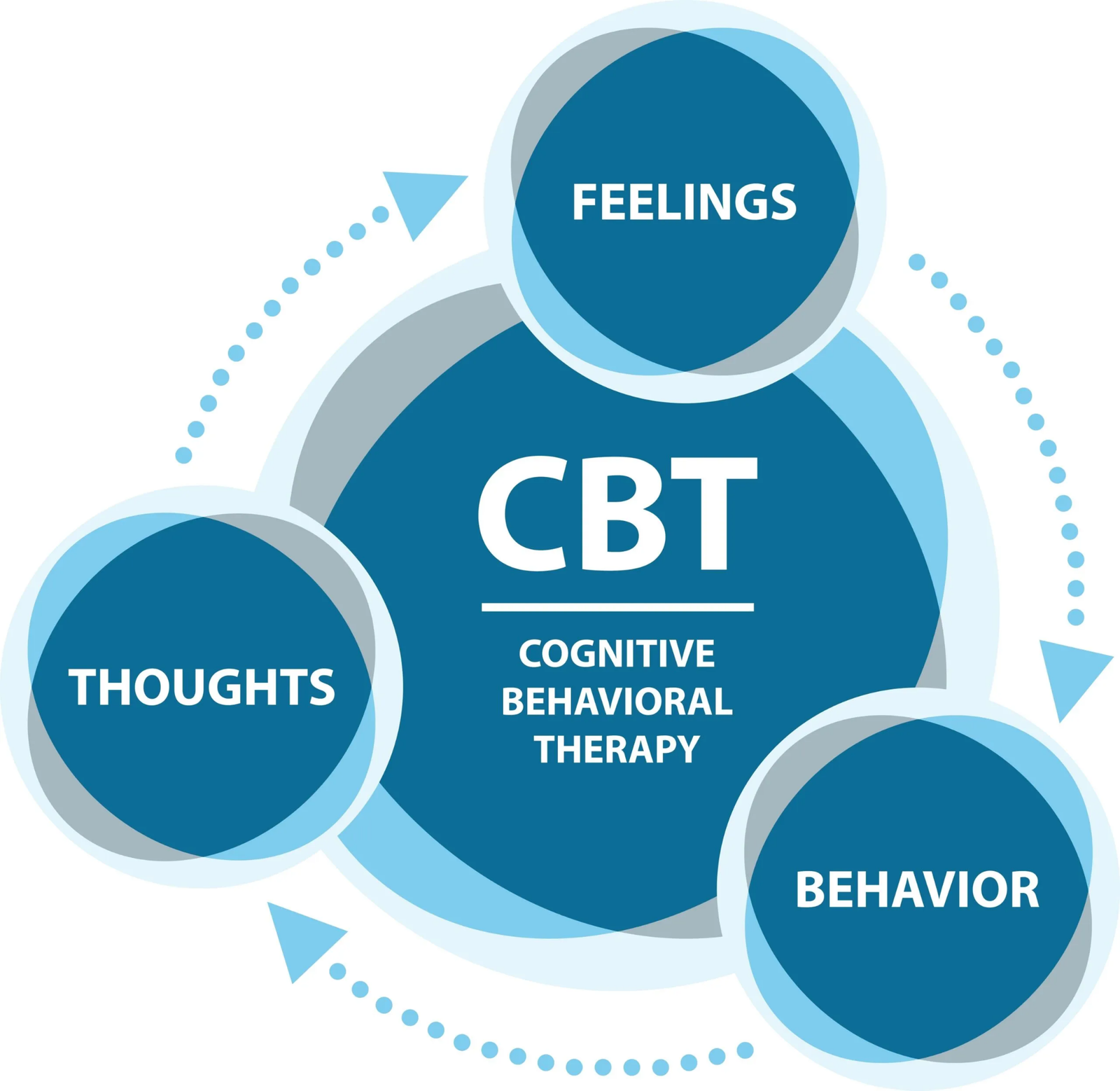
Cognitive Behavioral Therapy is a type of talking therapy. It looks at how thoughts, feelings, and actions are connected. A therapist helps you see thinking patterns. Then you learn to challenge them. The goal isn’t to ignore pain. It’s to change how you respond to pain and chronic pain.
Research shows that this approach works. Studies say that psychological therapies can reduce pain intensity. They also improve functioning. The NHS now recommends CBT for pain in pain clinics. Most credible information is provided by Pinnacle therapy.
Why Pain and Thoughts Are Connected
- Pain isn’t just physical. The brain processes pain signals with emotions and memories. Fear, anxiety and catastrophic thinking can make pain signals stronger. For example, someone might think, “This pain will never end.” That thought causes stress. Stress tightens muscles. Tight muscles increase pain. It becomes a cycle of pain.
- CBT breaks this cycle of pain. You learn to notice thoughts as they happen. Then you practice reframing them. From “I’m in much pain ” you might think, “I’ve managed pain before and I can manage chronic pain.” Small shifts like this reduce the weight of pain.
Core Techniques Used in Pain Management
Several techniques are used in this therapy. Here are the main ones.
- Cognitive restructuring. You identify thought patterns. Then you replace them with ones about chronic pain.
- Behavioral activation. Pain often leads to avoidance. People stop exercising or socializing. This worsens mood and stiffness. Therapy encourages re-engagement with activities and managing chronic pain.
- Relaxation training. Breathing, progressive muscle relaxation and mindfulness lower physical tension. Lower tension often means pain and better management of chronic pain.
- Pacing strategies. Many people with pain overdo it on days. Then they crash for days. Pacing teaches activity levels for chronic pain.
- Goal setting. Small achievable goals rebuild confidence. Confidence matters much as physical capability in managing chronic pain.
Building New Habits Around Pain
- Chronic pain often brings habits. Some people avoid movement entirely fearing it will worsen things. Others push through pain until they collapse. Both patterns cause harm over time. Affect chronic pain.
- A therapist works with you to build a path and manage pain. You learn your limits. You learn when to rest and when to push gently forward. This balanced approach protects both body and mind from pain.
- Journaling is often used alongside sessions. Writing down pain levels triggers and thoughts helps spot patterns of pain. Over weeks this record reveals what makes pain worse and what eases it.
- Poor sleep and chronic pain often go together. Pain disturbs sleep. Poor sleep then heightens pain sensitivity and chronic pain. Therapists address this directly, sometimes drawing on techniques for insomnia alongside pain-focused sessions.
- Mood also plays a role. Depression and anxiety are common among people with long-term pain and chronic pain. Left unaddressed, they can deepen the sense of suffering. This approach tackles these issues together rather than treating pain in isolation and managing chronic pain.
Is It a Replacement for Medication?
Not entirely. Medication still has its place for flare-ups or specific conditions and chronic pain. CBT for pain gives people tools that medication cannot provide. It builds long-term resilience. It reduces reliance on drugs over time. Many patients report needing doses after starting therapy for chronic pain.
Some people combine this therapy with physiotherapy, mild exercise, and occasional medication for pain. This combined approach often produces outcomes more than any single method alone.
What to Expect From Sessions
A typical course runs between six and twenty sessions. Sessions usually last an hour. Early sessions focus on understanding your pain history and current coping style with pain. Later sessions introduce techniques. Homework tasks are common between sessions. These might include thought diaries or graded activity plans for managing pain.
Progress isn’t always linear. Some weeks feel harder than others. A good therapist adjusts the pace to suit your needs and chronic pain.
Finding Support
GPs can refer patients to pain management programs that include this therapy for pain. Some areas offer group sessions. Others provide one-to-one support. Online programs have also grown in popularity, offering flexibility for those with mobility issues and chronic pain.
Charities such as Pain Concern and the British Pain Society provide information on finding therapists. It’s worth checking whether a therapist has experience with pain as this differs from general mental health work.
Final Thoughts
Chronic pain rarely has a fix. Therapy offers an evidence-based option beyond medication for chronic pain. It won’t erase pain completely. It will, however, change your relationship with it. Help manage chronic pain. Many people find this shift makes daily life more manageable, more hopeful and less defined by suffering from pain.
If pain has taken over your life, speak to your GP about options for managing pain. A structured program of CBT for pain could be the turning point you’ve been looking for.