One of my friends runs a medium-sized logistics company. He is a sharp guy, works ridiculous hours, and really cares about his people. Last year, while sitting in a coffee shop, he revealed something to me. In three years, nobody has ever told me that I was wrong. But I know for certain that I have been mistaken, he went on.
It’s the curious nature of being a senior. The greater the distance, the quieter the sincere voices become. Your jokes become funnier, your ideas improve, and your blind spots grow larger. That’s what executive performance coaching is all about, and once you know that, it suddenly makes a lot more sense than corporate jargon.
So What Is It, Really?
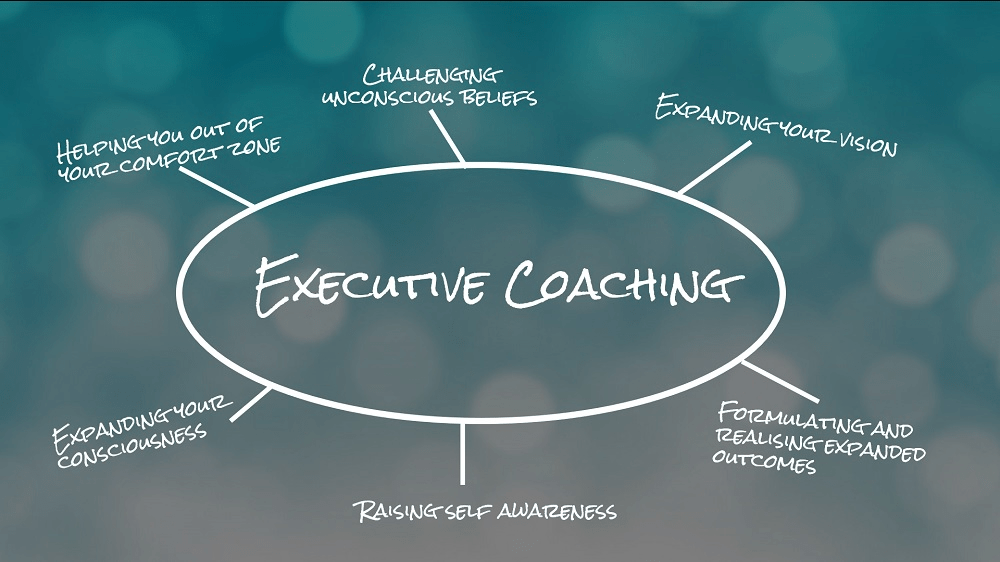
Discard the jargon and it’s easy! It’s an ongoing, confidential discussion with a qualified third party who is there solely to serve YOU, in your attempts to live a better life. Not to flatter you. Not as a therapist would do. To hold you accountable to the change you state that you want to make, just ask uncomfortable questions, and reflect in a mirror.
Actually, it was inspired by sport. No one considers Serena Williams to be weak for needing a coach. But when coaching entered the business world in the eighties, it didn’t have quite the coveted image. It was the most secretive thing that HR had arranged when an executive was on thin ice. It wasn’t brought up at dinner parties.
That’s flipped completely. A board member suggested Eric Schmidt get a coach when he was first starting out running Google. He was initially upset. What’s broken? Nothing, replied the reply. It’s required of all the leaders at the very top. He has, in turn, said it was his best advice ever given, and now business organizations are providing coaching to their better performers, rather than the weaker ones.
Why Now, Though?
Honestly? Because the job has gotten harder. Leaders today are managing hybrid teams they rarely see in person, making calls in genuinely uncertain economic conditions, and being expected to show real empathy while still hitting numbers. That’s a lot to carry, and most people carry it alone.
There’s also been a cultural shift in how we talk about burnout. The invulnerable boss who never sleeps and never struggles used to be admired. Now that act just looks dated, and a bit sad. Firms like Pinnacle Well-being have built their whole approach around this shift, treating a leader’s mental fitness and their performance as one conversation rather than two separate ones. Which, if you’ve ever tried to make good decisions while exhausted, you’ll know is exactly right.
What It Looks Like in Practice
Usually it starts with a goal that turns out not to be the real goal. Someone comes in saying they want to “delegate better,” and three sessions later it emerges that they don’t actually trust anyone, or they’re terrified of becoming irrelevant if the team can cope without them. Getting to the real problem is half the work.
Then there’s usually some form of honest assessment. Many coaches gather feedback from the people around you, and I won’t sugarcoat it, reading that stuff can sting. But it’s often the first true picture a leader has ever had of how they come across.
After that it’s regular sessions, every few weeks, each one ending with something concrete to try. Speak last in meetings instead of first. Stop rescuing that underperformer and actually have the hard conversation. Small experiments, reviewed honestly next time.
I watched this play out with a newly promoted director I knew. Brilliant operator, drowning in the bigger role, seventy-hour weeks, a leadership team that had gone silent around her. Her coach helped her see the obvious thing she couldn’t: the hands-on style that got her promoted was now smothering everyone beneath her. A year on, she asks more than she answers, her diary has actual thinking time in it, and her team has come back to life. No new qualifications required. Just self-awareness she couldn’t have found alone.
If You’re Thinking About It
A few honest tips. Check credentials, sure, accreditation from the ICF or EMCC matters, and established providers like Pinnacle Well-being will be upfront about theirs. But chemistry matters more, so trust your gut in that first conversation. Be clear about what success looks like before you start, otherwise you’ll never know if it’s working. Give it six months minimum, because anyone promising to transform you in three sessions is a salesman, not a coach. And nail down confidentiality upfront. The whole thing only works if you can be genuinely honest in the room.
One more thing: don’t do it because it’s trendy. Executive performance coaching only works if you actually want to grow. If you’re just ticking a development box, spend the money on something else.
The Bottom Line
My logistics friend got a coach, by the way. Six months in, he told me the most valuable part wasn’t any specific advice. It was having one person in his working life with no agenda, who’d tell him the truth.
That’s the whole thing, really. Leadership is lonely, honest feedback dries up at the top, and the leaders who last aren’t the ones who never need help. They’re the ones smart enough to go looking for it.