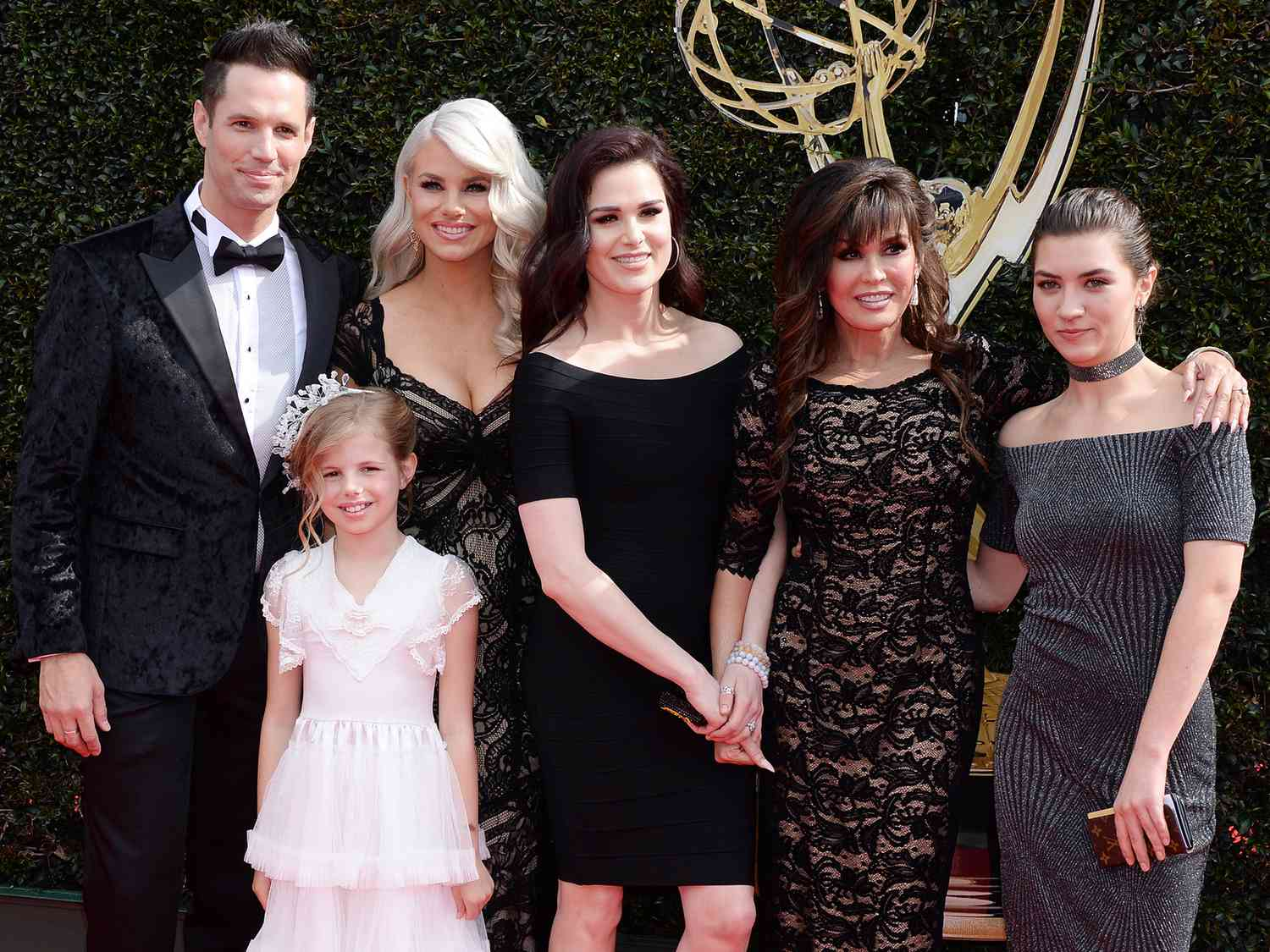
Marie Osmond children have long been at the heart of one of entertainment’s most enduring—and quietly complex—family stories. Behind the glitz of Las Vegas stages and television appearances, Marie Osmond built a life defined not just by fame, but by motherhood, resilience, loss, and reinvention. In this feature story, we explore Marie Osmond children as more than a keyword—they are the center of a narrative shaped by origin, struggle, and transformation.
From raising a large blended family to enduring unimaginable tragedy, Marie’s journey as a mother reflects both the pressures of celebrity life and the deeply human pursuit of healing and purpose. Here’s how her story unfolds.
Marie Osmond Children: The Beginning of a Blended Family Legacy
Marie Osmond’s early life was already shaped by spotlight pressure as part of the legendary Osmond family. But her personal chapter as a mother began with a different kind of spotlight—one that came from balancing career demands with building a home life. Industry veterans often note that child stars who transition into parenthood face a unique emotional recalibration, and Marie’s path reflected exactly that shift.
Her family grew into a blended household over the years. She welcomed her first son, Stephen, from her first marriage, and later expanded her family significantly through her marriage to Brian Blosil. Together, they built a household that ultimately included eight children—some biological, some adopted, all deeply part of her life story.
Here is the kicker: Marie didn’t just raise children in private. She raised them while navigating tours, television sets, and public scrutiny. That dual existence created a family dynamic where normalcy had to be intentionally protected, almost like a carefully guarded sanctuary within fame.
It gets better—because despite the chaos of celebrity schedules, Marie often emphasized structure, faith, and emotional grounding in her parenting style. Those early years were less about perfection and more about building stability in an unstable world.
Marie Osmond Children and the Reality of a Large Blended Household
Raising multiple children in one household is already complex. Add fame, travel, and media attention, and the equation becomes even more layered. Marie’s home was not just large—it was emotionally diverse, with children coming from different backgrounds and life circumstances.
Experts in family psychology often note that blended families require intentional emotional equity, where each child feels individually seen. Marie’s approach reportedly leaned heavily into this idea, making time for one-on-one connection even when schedules were overwhelming.
But here’s where reality set in: large families under public scrutiny rarely operate without friction. Different personalities, evolving identities, and the pressure of external attention created moments that tested structure and patience. Yet those challenges became part of the foundation that would later define her resilience as a mother.
And then came the deeper layer—the emotional weight that no parenting strategy can fully prepare for.
Marie Osmond Children: The Conflict Behind Fame and Personal Struggle
As Marie’s career continued to evolve through television, music, and live performances, the demands of fame often collided with the demands of motherhood. The public saw polished performances, but behind the curtain was a mother constantly negotiating time, presence, and emotional availability.
The data suggests a shift toward understanding celebrity parenting differently today, but during Marie’s peak years, expectations were less forgiving. Mothers in entertainment were often expected to “do it all,” and Marie became a real-world example of that pressure.
But here’s the turning point: personal struggle does not always arrive loudly—it often builds quietly. Marie openly faced emotional health challenges, including depression, which shaped how she viewed parenting and presence. Industry veterans often note that such vulnerability in public figures helps reshape cultural conversations about mental health and motherhood.
It gets deeper when you consider how these internal battles intersected with her role as a mother. She wasn’t just managing a household—she was managing her own emotional survival while still showing up for her children.
Marie Osmond Children and the Weight of Loss
No conversation about Marie Osmond children is complete without acknowledging profound tragedy. In 2010, Marie experienced devastating loss with the deaths of two of her sons, Michael Bryan and Brandon. These events marked a breaking point—not just in her personal life, but in how she publicly processed grief.
Experts in grief psychology often emphasize that compounded loss can permanently reshape identity. For Marie, that transformation was visible in how she later spoke about resilience, faith, and emotional rebuilding.
But here is the kicker: grief in the public eye is not private. Every stage appearance, interview, or performance carried the invisible weight of motherhood under mourning. That dual reality—performing while grieving—became one of the most defining emotional arcs of her life.
And yet, through that darkness, something shifted. Instead of withdrawing permanently, Marie began reframing her identity around healing and advocacy, particularly in mental health awareness and family support.
It gets better—but slowly. Healing was not immediate. It was layered, uneven, and deeply human.
Key Takeaways: Marie Osmond Children and Her Family Journey
- Marie Osmond is the mother of eight children from a blended family structure, including biological and adopted children.
- Her parenting journey unfolded under intense public visibility due to her long-standing entertainment career.
- She faced emotional health challenges while balancing motherhood and fame.
- In 2010, she endured the tragic loss of two sons, a defining moment in her life story.
- Her later years reflect a transformation toward advocacy, healing, and emotional resilience.
Marie Osmond Children: The Transformation From Survival to Purpose
After years marked by career intensity and personal loss, Marie Osmond’s narrative begins to shift from survival to meaning-making. This is where her story stops being only about fame or tragedy and starts becoming about transformation.
Psychologists often describe post-traumatic growth as the ability to rebuild identity after loss—not by returning to who you were, but by becoming someone newly shaped by experience. Marie’s public evolution reflects this concept clearly.
She leaned into work that allowed her to reconnect with joy, creativity, and purpose. Performances became not just professional obligations but emotional expressions. Interviews became platforms for reframing motherhood, loss, and resilience.
Here is the kicker: transformation does not erase pain—it integrates it. Marie’s later life reflects a balance between honoring her children, both present and lost, and continuing to build a meaningful career.
And it gets better in a quiet, steady way. Instead of being defined solely by tragedy or fame, she became defined by endurance, adaptability, and emotional honesty.
Marie Osmond Children and the Legacy of Resilience
The long-term impact of Marie Osmond’s motherhood journey is not measured only in public achievements, but in emotional legacy. Her children represent different chapters of her life—early career motherhood, blended family complexity, and profound loss followed by rebuilding.
Experts in cultural media often note that public figures who openly process grief help normalize emotional complexity in society. Marie’s willingness to speak about her experiences contributed to broader conversations about mental health, especially for parents navigating trauma.
But here’s the deeper insight: resilience is not a single trait—it is a practice. Marie’s story demonstrates how resilience is built through repetition: showing up, breaking down, rebuilding, and continuing forward.
It gets better with time, not because pain disappears, but because meaning expands around it. Her journey reflects that evolution clearly.
Marie Osmond Children and the Ongoing Story of Family
Today, Marie Osmond’s family story continues—not as a finished narrative, but as an ongoing one. Her children, now adults, represent continuity, memory, and personal legacy beyond public attention.
Family systems analysts often point out that large, blended families evolve like ecosystems. They shift, adapt, and re-balance over time. Marie’s family is no exception. Each child’s path contributes to a broader story of identity, resilience, and connection.
And here is the final layer: legacy is not just what is left behind—it is what continues to grow. Marie Osmond’s children are part of that ongoing growth, shaped by both joy and hardship, fame and privacy, presence and loss.
It gets better in reflection. Because when viewed as a whole, her story is not just about motherhood under pressure—it is about motherhood that endured it.
Final Reflection: The Human Story Behind Marie Osmond Children
At its core, the story of Marie Osmond children is not about celebrity biography alone. It is about the universal themes of parenting under pressure, navigating loss, and finding meaning after life-altering change.
Marie Osmond’s journey reminds readers that even in the brightest spotlight, family life remains deeply human—messy, emotional, and transformative. And while fame amplifies every moment, it does not protect anyone from the realities of love, grief, or growth.
In the end, her story stands as a reminder that motherhood is not defined by perfection, but by persistence—and that legacy is built quietly, one moment at a time.
You May Also Read: Indykaila