The Future of Electronic Circuit Design
Electronic products are becoming thinner, lighter, and more powerful than ever before. From medical imaging systems to autonomous vehicles, modern devices require circuit boards that can withstand demanding operating conditions while maintaining exceptional performance. Choosing an experienced rigid flex printed circuit board manufacturer is one of the most important decisions for ensuring product reliability and long-term success.
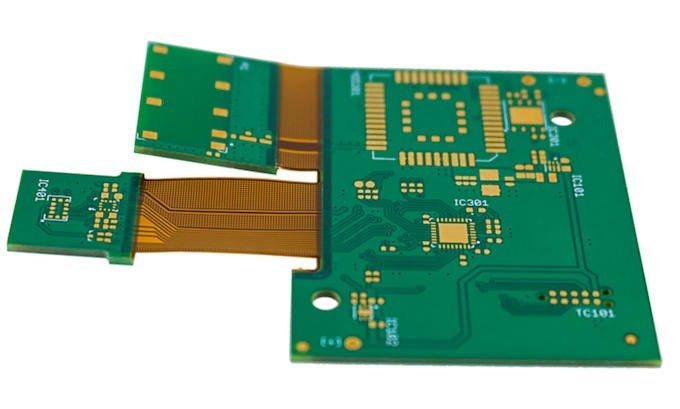
By combining rigid and flexible materials into a single circuit board, manufacturers help engineers create innovative designs that reduce assembly complexity and improve overall product durability.
Why Rigid-Flex Technology Is Gaining Popularity
Unlike traditional PCB assemblies that rely on multiple connectors and cables, rigid-flex boards integrate different sections into one compact structure. This approach minimizes connection failures, improves vibration resistance, and reduces overall product weight.
As industries continue to push for smaller electronic devices with greater functionality, rigid-flex technology provides designers with greater freedom to optimize product layouts without sacrificing performance.
Manufacturing Capabilities That Support Innovation
Advanced PCB production requires more than standard fabrication equipment. Modern facilities support High-Density Interconnect (HDI) technology from 1+N+1 to Any-Layer Interconnect, making it possible to manufacture highly compact circuit boards for sophisticated electronic applications.
Fast production schedules also allow HDI boards to be delivered in as little as 10 days, helping engineering teams keep product development on track.
For projects requiring increased circuit density, manufacturing capabilities extend to 50-layer PCBs, supporting complex communication systems, industrial controllers, and medical electronics.
Precision Engineering for Demanding Applications
High-performance electronics depend on manufacturing accuracy. Advanced production processes provide impedance control with tolerances as tight as ±5%, ensuring reliable signal transmission across high-speed circuits.
Manufacturing precision also includes minimum line width and spacing of 2.5 mil, enabling compact circuit layouts that meet today’s increasingly complex design requirements.
Flexible Solutions for Complex Designs
Modern electronic products often require specialized PCB structures. Manufacturing capabilities include:
- Rigid-flex PCBs with up to 20 layers
- Flexible PCBs with up to 10 layers
- Minimum aspect ratio of 30:1
- Custom multilayer constructions
- High-density interconnect solutions
These capabilities support applications where compact size, lightweight construction, and long-term reliability are essential.
Premium Surface Finishes for Long-Term Performance
Selecting the appropriate surface finish helps maximize product durability and electrical performance. Manufacturers offer several high-quality finishing options, including:
- ENIG
- ENEPIG
- Hard Gold (50 µin)
These finishes provide excellent solderability, corrosion resistance, and wear protection across a variety of industrial applications.
Quality Assurance at Every Production Stage
Consistent manufacturing quality requires rigorous inspection procedures. Advanced facilities perform 100% X-ray inspection for BGA, QFN, and FPGA components to identify hidden solder joint defects before products leave the factory.
Production lines are also equipped to handle 01005-sized components, supporting the latest generation of compact electronic assemblies.
To ensure dependable manufacturing standards, facilities operate under internationally recognized certifications including ISO9001, ISO13485, and IPC Class 3 compliance.
The Value of Advanced PCB Manufacturing Services
Modern electronics demand manufacturing partners that offer more than fabrication alone. Professional advanced PCB manufacturing services include engineering support, material selection, process optimization, strict quality control, and efficient production management.
These services help reduce manufacturing risks, improve production consistency, and ensure every project meets both technical and commercial objectives.
Choosing the Right Manufacturing Partner
Every successful electronic product begins with dependable manufacturing. When evaluating a PCB supplier, businesses should consider technical expertise, production capacity, quality certifications, turnaround time, and the ability to support complex PCB structures.
A manufacturer with advanced production capabilities can simplify challenging projects while maintaining consistent quality from prototype development through full-scale production.
Conclusion
As electronic technology continues to evolve, selecting the right rigid flex printed circuit board manufacturer becomes increasingly important for achieving reliable and innovative product designs. Combined with professional advanced PCB manufacturing services, modern production capabilities help businesses deliver high-performance electronic solutions with confidence, precision, and efficiency.