Anyone who has sat through a forty-minute crawl to cover six miles knows the daily commute has a way of eating into a life. Add rising fuel prices, scarce parking, and the general wear of stop-and-go traffic, and it’s no surprise that a growing number of office workers, freelancers, and shift employees are rethinking how they get from home to work. The shift isn’t dramatic or sudden — it’s showing up quietly, one converted commuter at a time, as people trade four wheels for two.
The Hidden Cost of the Daily Drive
Most people underestimate what a daily car commute actually costs once everything is added up. Fuel is the obvious line item, but insurance, depreciation, routine maintenance, and parking fees often double or triple that number over a year. In dense urban areas, a monthly parking permit alone can rival a car payment. Then there’s the cost nobody puts on a spreadsheet: time. Sitting in traffic isn’t neutral — it’s stress, lost sleep, and fewer hours for anything else.
When commuters start tracking these numbers honestly, the math tends to push them toward alternatives that didn’t seem practical a few years ago.
How E-Bikes Changed the Commuting Equation
Cycling to work has always sounded good in theory and felt brutal in practice — especially across hilly terrain, long distances, or humid summer mornings when nobody wants to arrive at a desk drenched in sweat. Pedal-assist motors removed that barrier almost overnight. A rider still pedals and still gets the cardiovascular benefit, but the motor levels out hills and headwinds so the effort stays manageable regardless of fitness level or weather.
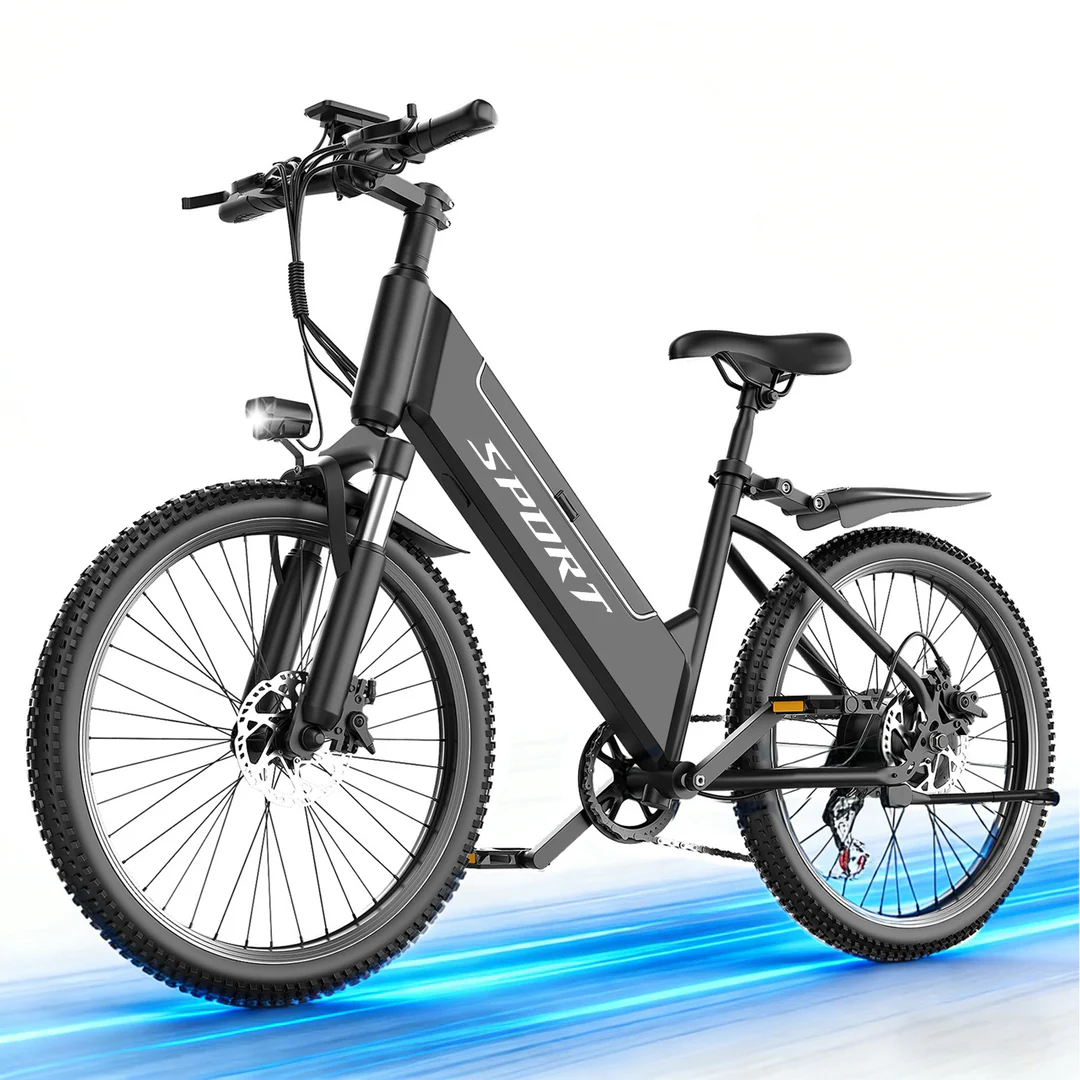
This is exactly why commuters who tried cycling years ago and gave up are now giving it a second look. Riders who want a dependable option built specifically with daily mileage in mind often gravitate toward something like the PostJoy Electric Bike, since reliable range and sturdy components matter more for a five-day-a-week commute than they do for occasional weekend rides.
Battery Range and Realistic Daily Mileage
Range anxiety is usually the first objection, and it’s a fair one. The fix is simple math: take your round-trip commute distance, add a buffer for detours or errands, and compare that against a battery’s realistic range under load — not the optimistic number on the box. Hills, rider weight, and assist level all eat into range faster than flat-ground test conditions suggest. Most commuters find that a battery rated comfortably above their daily mileage, with a charge built into their evening routine, removes the anxiety entirely after the first week or two.
Beyond Two Wheels: The Rise of Compact Micro-Mobility
Not every commute starts and ends at a front door. Plenty of people combine a train or bus ride with a shorter hop at either end — what transportation planners call the “last mile” problem. For that stretch, a bike isn’t always practical to carry onto transit or store at a desk, which is part of why compact electric scooters have found their own lane in commuter routines.
Riders who only need to cover the distance from a train platform to an office building, without the bulk of a full bike, often choose a PostJoy E-Scooter for that exact gap. It folds down small enough to tuck under a desk or carry onto a train car, which matters more than top speed when the goal is simply closing the last half-mile efficiently.
Combining Transit and Micro-Mobility
The commuters getting the most value out of this shift aren’t choosing bike versus scooter versus transit — they’re stacking them. A regional train covers the long haul, a folding scooter handles the final stretch, and the car stays parked except for trips where it’s genuinely the better tool. This kind of layered commute tends to be cheaper and faster than any single mode used on its own, especially in cities where parking near a final destination is limited or expensive.
What the Long-Term Costs Actually Look Like
A fair comparison has to look past the first month. An e-bike’s main maintenance costs come down to tires, brake pads, and an occasional chain or belt replacement — expenses measured in tens of dollars rather than hundreds. Battery packs typically last several years before needing replacement, and even then the cost is a small fraction of a single car repair bill. Compare that to a car’s oil changes, brake jobs, and the inevitable larger repair that shows up every couple of years, and the gap in ownership cost widens the longer someone actually rides.
Weather is the other variable commuters worry about before they’ve tried it. Rain gear, fenders, and a slightly slower pace handle most wet-weather riding without much drama, and many commuters find that a once-a-week car or rideshare backup for genuinely bad days — ice, severe storms — covers the small percentage of mornings where riding isn’t practical. Treating the bike as the default and the car as the occasional exception, rather than the other way around, is usually what makes the switch stick past the first few enthusiastic weeks.
Making the Switch Without the Overwhelm
Anyone considering the move doesn’t need to commit all at once. A short trial period — riding two or three days a week instead of driving — is usually enough to reveal whether the route, the weather tolerance, and the storage situation actually work. It’s worth checking local bike lane coverage, since a commute with dedicated lanes feels completely different from one sharing space with fast traffic. A simple charging routine, whether that’s an outlet near a front door or a desk plug at work, removes the last bit of friction.
None of this requires giving up a car entirely. For most people, the win is smaller and more practical: fewer days stuck in traffic, lower monthly transportation costs, and a commute that doubles as light exercise instead of dead time behind a wheel.