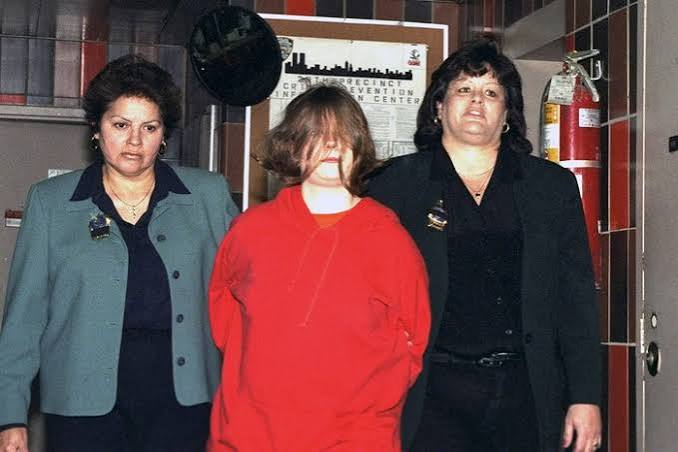
The name Daphne Abdela is closely associated with one of the most disturbing criminal cases to emerge from New York City in the 1990s. The case attracted intense public attention because it involved teenagers, a brutal killing, and questions about privilege, violence, accountability, and the way the media covers young offenders. Decades later, the story continues to generate curiosity among readers who want to understand what happened and what became of the people involved.
Daphne Abdela was a teenager from a wealthy Manhattan family when she became connected to the 1997 murder of Michael McMorrow in Central Park. The case became widely known after Abdela and her friend Christopher Vasquez were accused of killing McMorrow following an encounter in the park. Because the defendants were young and came from very different backgrounds than the victim, the case quickly became a major subject of news coverage.
The story is not simply about a crime that happened years ago. It is also a complicated look at how the justice system deals with teenagers accused of serious offenses. It raises difficult questions about intent, responsibility, rehabilitation, and whether young people should be judged solely by the worst actions of their adolescence. Understanding the Daphne Abdela case requires looking at the events carefully and separating established facts from the sensational details that often surrounded the story.
Who Is Daphne Abdela?
Daphne Abdela was born into a financially comfortable New York family and grew up in Manhattan. Her background became an important part of the public discussion surrounding the case because media reports often contrasted her privileged upbringing with the violent crime with which she was associated. The contrast contributed to the public fascination with the story and helped make the case a prominent topic in newspapers and television coverage.
As a teenager, Abdela was reportedly known for spending time in Manhattan’s nightlife and social scene. She was still very young when the events that changed her life occurred. Her age became especially significant because the criminal justice system treats juvenile defendants differently from adults, particularly when considering sentencing, rehabilitation, and the possibility of eventual reintegration into society.
The case involving Abdela illustrates how quickly a person’s identity can become defined by a single event. Once the story became widely reported, her name was repeatedly connected with the murder investigation and subsequent court proceedings. For many people, the case became their only point of reference when thinking about her, even though a person’s life before and after a criminal conviction can be far more complicated than the headlines suggest.
What Happened to Michael McMorrow?
In 1997, Michael McMorrow was killed in Central Park in New York City. According to accounts of the case, McMorrow encountered Daphne Abdela and Christopher Vasquez while in the park. The events that followed resulted in McMorrow being stabbed and killed, creating a case that quickly attracted significant attention from law enforcement and the public.
The circumstances surrounding the killing were particularly disturbing because of the brutality involved and the ages of those connected to the incident. McMorrow’s death became the central focus of a major investigation, while detectives worked to establish what had happened and who was responsible. The case eventually led investigators to Abdela and Vasquez.
One reason the story remained so prominent was the combination of factors surrounding it. The location, the young age of the accused, the apparent lack of a conventional motive, and the social backgrounds of those involved all contributed to intense media interest. Rather than disappearing from public memory after the legal proceedings, the case became part of the broader history of high-profile New York criminal cases from the 1990s.
The Role of Christopher Vasquez
Christopher Vasquez was another key figure in the case involving Michael McMorrow. He was a teenager at the time and was accused alongside Abdela. The prosecution’s case focused on the actions of both young people and their involvement in the events that led to McMorrow’s death.
The relationship between Abdela and Vasquez became an important part of the legal story. As with many criminal cases involving multiple defendants, determining the precise actions and intentions of each person was central to the proceedings. The court had to consider the evidence and establish individual responsibility rather than simply treating the defendants as a single unit.
The case also demonstrated how different personal backgrounds can become part of public discussions about crime. Media coverage frequently emphasized the contrast between Abdela’s affluent upbringing and Vasquez’s background. While such comparisons can help explain why a case attracts attention, they can also oversimplify complex circumstances and encourage readers to view people through stereotypes rather than evidence.
Why the Daphne Abdela Case Received So Much Attention
The Daphne Abdela case captured public attention for several reasons. First, the crime took place in Central Park, one of the most recognizable public spaces in New York City. A violent killing in such a famous location naturally generated concern and widespread interest, especially in an era when New York’s crime rate and public safety were already major topics of conversation.
The age of the accused was another important factor. Abdela and Vasquez were teenagers, and the idea that young people could become involved in such a serious crime was deeply unsettling to many observers. The case became part of a larger national conversation about juvenile crime and whether teenagers accused of violent offenses should face punishment differently from adults.
There was also significant interest in Abdela’s family background. Her privileged upbringing challenged some of the assumptions people often make about why young people commit serious crimes. The case reminded the public that criminal behavior cannot always be explained by poverty or difficult living conditions alone. At the same time, it showed how easily a person’s social status can become a central part of media storytelling, sometimes overshadowing the facts of the legal case itself.
The Legal Proceedings and Sentencing
The legal proceedings surrounding the case were closely followed by the media. Because the defendants were teenagers, their cases raised questions about juvenile justice and the appropriate consequences for serious violent crimes. The courts had to consider the evidence presented by prosecutors while also dealing with the legal protections and sentencing principles that apply to young offenders.
Daphne Abdela ultimately pleaded guilty to manslaughter in connection with McMorrow’s death. Her plea and subsequent sentencing became major developments in the case. Rather than facing the most severe possible punishment associated with a murder conviction, the manslaughter resolution reflected the legal circumstances of the case and the negotiations involved in the judicial process.
The sentence imposed on Abdela was a period of incarceration followed by the possibility of returning to life outside prison. Her age was an important consideration in the legal process. The case therefore became an example of the difficult balance between holding young offenders accountable and recognizing that adolescents have a greater capacity for change and rehabilitation than many adults.
The Debate Around Juvenile Justice
The case involving Daphne Abdela became part of a much larger debate about juvenile justice. When teenagers commit serious crimes, society faces a difficult question: Should they be punished primarily for what they did, or should the justice system also account for their age and potential for rehabilitation?
Supporters of rehabilitation argue that teenagers are still developing emotionally and psychologically. Their decision-making abilities are not necessarily comparable to those of mature adults, and some young offenders can change significantly as they grow older. From this perspective, the justice system should impose meaningful consequences while also creating opportunities for education, treatment, and rehabilitation.
Others believe that the seriousness of the offense should remain the primary consideration. For victims’ families, the loss of a loved one cannot be undone simply because the person responsible was young. The pain and consequences of violent crime remain real regardless of the offender’s age. The Daphne Abdela case illustrates the tension between these two perspectives and why juvenile sentencing remains such a complex issue.
Media Coverage and Public Perception
The media played a major role in shaping public perceptions of the Daphne Abdela case. Newspapers and television programs frequently focused on details about her appearance, family, lifestyle, and social background. These elements made the story more compelling to audiences, but they also contributed to a highly personal narrative around a criminal case.
High-profile cases can create a situation in which the public believes it knows everything about the people involved. In reality, media coverage often presents only selected details. Headlines emphasize the most dramatic elements, while complicated legal facts may receive less attention. This can lead to a simplified understanding of events that were legally and personally much more complex.
The case also raises an important question about the long-term effects of intense media attention. When someone is involved in a major criminal case as a teenager, their name can remain searchable for decades. The internet has made this even more significant, as old news reports and discussions can continue circulating long after a person has completed their sentence and moved on with life.
Where Is Daphne Abdela Now?
One of the most common questions people ask when searching for Daphne Abdela is what happened to her after the case. Unlike many contemporary public figures, Abdela has largely remained outside the public spotlight in the years since her conviction and incarceration. Reliable, publicly available information about her current personal life is limited.
That lack of recent information is important because it prevents responsible observers from making confident claims about her present circumstances. Various online discussions may speculate about where she lives or what she does today, but speculation should not be presented as established fact. A person’s private life should also be treated with appropriate respect, particularly when there is no clear public interest in sharing unverified personal details.
What can be said with greater confidence is that the case became an important chapter in her life and a notable part of New York’s criminal history. Her story continues to be discussed because of the unusual combination of youth, privilege, violence, and the legal questions surrounding juvenile offenders.
The Lasting Legacy of the Case
The Daphne Abdela case remains memorable partly because it challenged expectations. People often have preconceived ideas about who commits violent crimes and why. The case demonstrated that serious criminal behavior can emerge in circumstances that do not fit a simple narrative.
It also remains relevant because discussions about juvenile crime have not disappeared. Questions about how young offenders should be prosecuted, sentenced, and rehabilitated continue to influence legal policy. Modern research into adolescent development has further strengthened discussions about the differences between teenagers and adults in terms of judgment, impulse control, and long-term decision-making.
At the same time, the case should not be viewed solely through the perspective of the person accused or convicted. Michael McMorrow was the victim of a violent crime, and his death had lasting consequences for his family and those who knew him. Any discussion of the case should keep that human reality at the center rather than treating the story as merely an unusual crime narrative.
What the Daphne Abdela Story Teaches Us
The story of Daphne Abdela is a reminder that criminal cases are rarely as simple as the headlines that first introduce them. Behind every widely reported case are individual lives, legal decisions, families, and consequences that continue long after the news cycle ends. Looking at the case with a balanced perspective means acknowledging the seriousness of McMorrow’s death while also understanding the complexities of juvenile justice.
The case also highlights the power of media narratives. Once a person becomes associated with a notorious crime, that association can follow them for decades. This is particularly significant when the individual was a teenager at the time of the offense. The public may remember a single moment, while the person involved continues living through the consequences of that moment for years afterward.
Ultimately, Daphne Abdela’s story remains a subject of interest because it sits at the intersection of crime, youth, privilege, punishment, and rehabilitation. It is a case that continues to raise difficult questions without offering easy answers. Understanding it requires more than remembering the sensational details that made headlines in the 1990s. It requires looking at the human cost of the crime, the legal system’s response, and the broader questions about how society responds when young people become involved in serious violence.