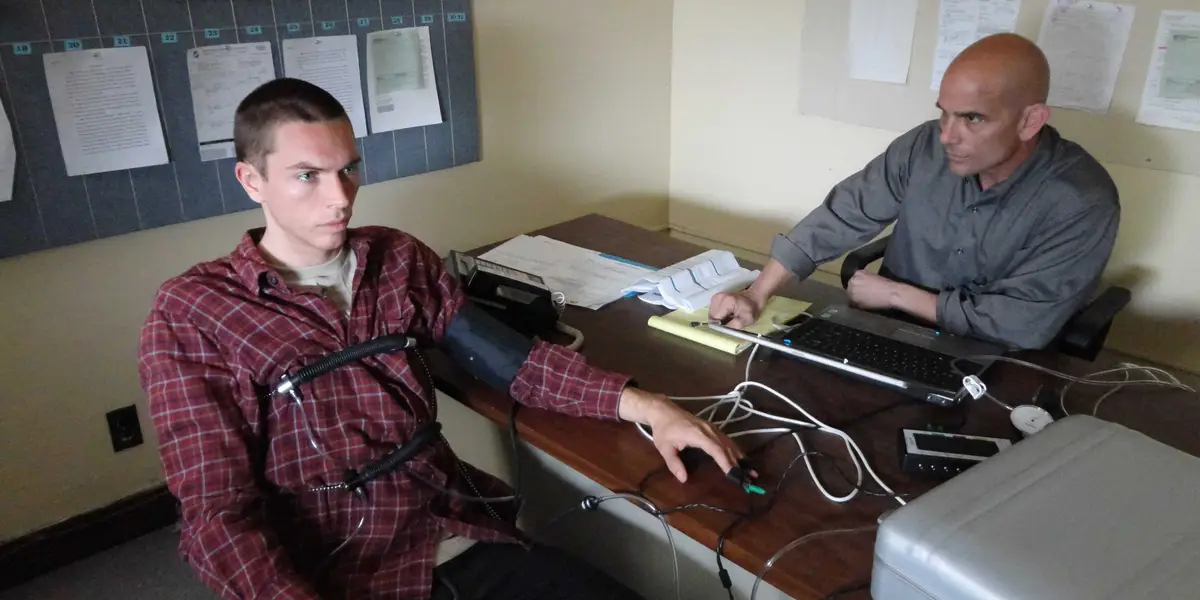
Most people picture a polygraph test as something out of a crime drama. A dim room, wires attached to fingers, a stern examiner asking loaded questions. That image isn’t completely wrong—but when it comes to job-related polygraph tests, the reality is a bit more nuanced, and honestly, a lot more ordinary.
If you’ve been asked to take one for a job, your first reaction is probably a mix of curiosity and unease. Fair enough. It’s not every day someone hooks you up to a machine that’s supposed to read your truthfulness. But employers who use polygraph test aren’t trying to play detective for fun. They’re looking for something specific—and it helps to understand what that actually is.
Let’s break it down in a way that feels real, not scripted.
Why Some Employers Still Use Polygraph Tests
Polygraph testing isn’t common across all industries. You won’t see it in your average office job or retail position. But in certain fields—law enforcement, intelligence agencies, private security, and sometimes high-stakes corporate roles—it still shows up.
Here’s the thing: these employers deal with risk. Not small, everyday risk, but serious consequences—security breaches, theft, insider threats, or compromised information. A bad hire in these environments isn’t just inconvenient; it can be dangerous or very expensive.
So the polygraph becomes one more filter.
Not the only one. Not even the most important one. But part of a bigger screening process that includes background checks, interviews, and reference calls.
Think of it like this: if a company is trusting you with sensitive data or public safety, they want to reduce uncertainty as much as possible. The polygraph, flawed as it is, is one tool they still rely on.
What the Test Actually Measures (And What It Doesn’t)
Let’s clear up a common misunderstanding right away: a polygraph doesn’t detect lies.
It measures physiological responses—things like heart rate, breathing patterns, and skin conductivity. The idea is simple. When people feel stress or anxiety, their bodies react. If those reactions spike during certain questions, it might suggest deception.
But here’s where it gets tricky.
Stress doesn’t always mean lying. You could be nervous because you hate being tested. Or because the question feels invasive. Or because you’re worried about being misunderstood.
Imagine being asked, “Have you ever taken something that didn’t belong to you?” Even if the answer is technically yes—maybe you borrowed a pen years ago and forgot to return it—you might feel a jolt of anxiety trying to decide how to answer. That reaction alone can affect the results.
Good examiners know this. That’s why the test isn’t just about the machine—it’s also about how questions are framed and how your responses compare over time.
The Pre-Test Interview Matters More Than You Think
Before the actual test begins, there’s usually a conversation. It can last anywhere from 30 minutes to a couple of hours.
And honestly, this part is where a lot of the real work happens.
The examiner will go over your background, explain how the test works, and review the questions they plan to ask. Nothing is supposed to come out of nowhere. You’ll know the topics in advance—things like criminal history, drug use, or falsifying information on your application.
This is also your chance to clarify anything that might trip you up.
Let’s say you experimented with marijuana years ago but didn’t include it on your application because it felt irrelevant. That’s the kind of thing that can come up here. Being upfront during the pre-test stage is often better than trying to navigate it mid-exam.
Employers aren’t always expecting perfection. They’re looking for consistency and honesty.
The Questions Employers Care About
The exact questions vary depending on the job, but they usually revolve around a few core areas.
Integrity is a big one. Have you stolen from an employer? Have you been involved in fraud? Are you hiding anything significant about your past?
Then there’s substance use. Not just whether you’ve used drugs, but how recently and how frequently.
For security-sensitive roles, you might get questions about unauthorized disclosure of information or contact with certain individuals or groups.
Here’s where it gets interesting: the questions are often broader than you’d expect.
Instead of asking, “Did you steal money from your last job?” it might be phrased more generally, like “Have you ever taken anything of value from an employer without permission?”
That kind of wording forces you to think more carefully—and sometimes makes people second-guess themselves.
How Employers Interpret the Results
Contrary to popular belief, polygraph results aren’t always black and white.
You won’t necessarily get a simple “pass” or “fail.” Instead, the examiner looks at patterns in your physiological responses and compares them across different types of questions.
There are usually three possible outcomes:
- No significant reaction (generally seen as truthful)
- Significant reaction (possible deception)
- Inconclusive
That last one surprises a lot of people. It basically means the data wasn’t clear enough to make a call. In some cases, you might be asked to retake the test.
Employers don’t rely solely on the polygraph to make decisions. It’s one piece of the puzzle. If something raises a red flag, they’ll often look at it alongside your background check and interview responses before deciding what to do next.
The Human Factor: It’s Not Just About the Machine
Here’s something people don’t always expect: the examiner plays a huge role.
Their tone, the way they ask questions, how they interpret your responses—it all matters. Two different examiners could potentially read the same data slightly differently.
That’s why the process can feel more like a conversation than an interrogation, even if it’s still formal.
If you come in tense, guarded, and overly defensive, that can affect both your physiological responses and how you’re perceived. On the other hand, someone who’s calm and cooperative tends to make the process smoother—not just for the machine, but for the human on the other side of the table.
Common Mistakes People Make
People often walk into a polygraph test with the wrong mindset.
One common mistake is overthinking every question. Trying to analyze what the “right” answer should be instead of just answering honestly. That mental tug-of-war can actually increase stress and make your responses less consistent.
Another issue is withholding small details. It might seem harmless to leave out something minor, but if it comes up during questioning, it can create unnecessary complications.
There’s also the belief that you can “beat” the test by controlling your breathing or using mental tricks. Let’s be honest—that’s not a reliable strategy. Experienced examiners are trained to spot unusual patterns, and trying too hard to game the system can backfire.
What It Feels Like to Take One
If you’ve never done it before, the experience can feel a bit strange.
You’re sitting still, connected to sensors, focusing on each question. There’s a rhythm to it—question, pause, answer, repeat.
Some people describe it as mentally tiring more than anything else. Not because the questions are difficult, but because you’re hyper-aware of every response.
A small example: imagine being asked, “Is your name John?” You know it is, but you still feel a slight shift in your body as you answer. Now multiply that awareness across dozens of questions, some of them more personal.
It’s not painful or dramatic. Just…intense in a quiet way.
Are Polygraph Tests Fair?
This is where opinions start to split.
Supporters argue that polygraphs are useful for screening candidates in high-risk roles. Even if they’re not perfect, they can deter dishonesty and prompt admissions that might not come up otherwise.
Critics point out that physiological responses aren’t a reliable measure of truth. People react differently under stress. Someone who’s naturally anxious could appear deceptive, while a calm liar might not trigger strong reactions.
Both sides have a point.
From an employer’s perspective, it’s about risk management. From a candidate’s perspective, it can feel like an imperfect system judging something very personal.
How to Approach It Without Overthinking
If you’re facing a polygraph test, the most practical approach is also the simplest.
Be honest. Not selectively honest. Just honest.
Listen carefully to each question. If something isn’t clear, ask for clarification during the pre-test phase.
Don’t try to outsmart the process. It’s not a game you win by strategy.
And maybe most importantly, accept that some level of nervousness is normal. The examiner expects it. The test is designed with that in mind.
The Bigger Picture
A polygraph test can feel like a big deal in the moment, but it’s rarely the defining factor on its own.
Employers look at the whole picture—your experience, your background, how you present yourself, and how consistent your story is across different parts of the hiring process.
The polygraph is just one checkpoint.
If you understand what it’s actually measuring—and what employers are really looking for—it becomes less mysterious and a lot more manageable. Not necessarily comfortable, but at least predictable in its own way.
And that’s usually enough to take the edge off.