The popularity of this topic reflects the way modern internet culture blends politics, entertainment, humor, and digital creativity. Images can spread across social media platforms within minutes, often without viewers stopping to verify whether they are authentic. As a result, the phrase “trump shirtless” has evolved into more than just a search term—it represents how visual content influences online conversations.
This article explores why shirtless images of Donald Trump receive so much attention, how they became popular, the role of artificial intelligence and memes, and why digital literacy is more important than ever when evaluating viral content.
Why the Keyword “Trump Shirtless” Is So Popular
One of the biggest reasons this keyword trends is simple curiosity. Donald Trump has remained one of the world’s most recognizable political figures for decades. Anything unusual involving him—whether real or fictional—naturally attracts attention.
The internet rewards surprising visuals. A shirtless image of a former U.S. president immediately stands out in search results, social media feeds, and discussion forums. Even people who have little interest in politics often click simply because the image seems unexpected or humorous.
Search engines also reinforce this popularity. Once enough users search for “trump shirtless,” the phrase begins appearing in autocomplete suggestions, recommended searches, and trending keyword lists. This creates a cycle where increasing curiosity generates even more searches.
Memes Turned the Image Into Internet Culture
Internet memes are designed to be shared quickly while delivering humor in a single image. Donald Trump has been one of the most frequently memed public figures for years, making him an obvious subject for countless edited photographs.
Many shirtless versions show exaggerated muscles, superhero physiques, bodybuilding poses, or humorous beach scenes. These images are typically created as jokes rather than attempts to document reality. Their exaggerated style is often part of what makes them entertaining.
Political supporters and critics alike have contributed to this trend. Some memes portray Trump as larger than life, while others intentionally exaggerate his appearance for comedic effect. Regardless of political opinion, meme culture thrives on recognizable public figures.
Are There Real Shirtless Photos of Donald Trump?
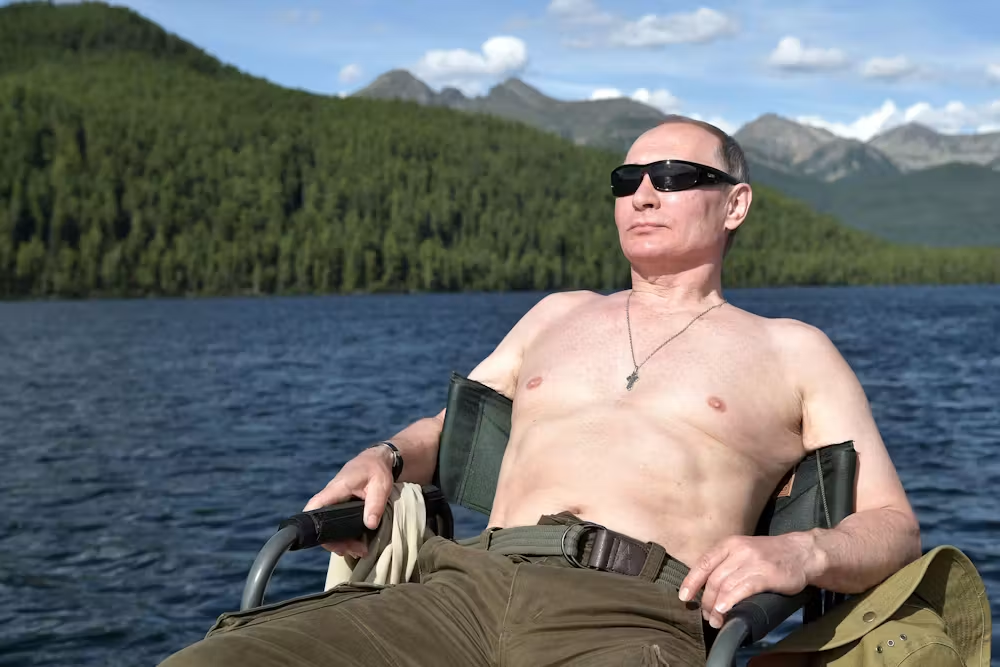
This is one of the most common questions associated with the keyword. While Donald Trump has occasionally appeared in casual settings such as golf courses, resorts, or beaches throughout his public life, many of the most viral shirtless images circulating online are digitally altered rather than authentic.
Modern editing software makes it remarkably easy to replace bodies, alter facial expressions, change backgrounds, or combine multiple photographs into convincing composites. Without careful inspection, many edited images can appear surprisingly realistic.
Artificial intelligence has made this process even faster. AI image generators can create entirely fictional pictures that never existed in real life. These creations often spread rapidly before viewers realize they were computer-generated.
How Artificial Intelligence Changed Viral Images
AI image generation has transformed internet culture. Today, anyone can create realistic-looking images by entering a simple text prompt into an AI tool. This technology has dramatically increased the number of fictional celebrity images appearing online.
The keyword “trump shirtless” frequently leads to AI-generated artwork rather than genuine photography. Some images depict Trump as a muscular athlete, while others place him in fictional movie scenes, historical settings, or fantasy environments.
Although these creations can be entertaining, they also highlight the importance of verifying visual content before accepting it as authentic. AI continues to improve, making it increasingly difficult to distinguish fictional images from real photographs without additional context.
Why Viral Images Spread So Quickly
Social media algorithms reward content that captures attention immediately. Unusual, humorous, or controversial images typically receive more likes, comments, and shares than ordinary photographs.
A shirtless image of a globally recognized political figure naturally attracts curiosity. People share it because they find it funny, surprising, or simply worth discussing with friends. As engagement increases, algorithms show the content to even more users.
The speed of modern sharing also means that edited images often circulate much faster than fact-checks. By the time an image is confirmed as fictional, millions of people may have already seen or reposted it.
The Role of Political Satire
Political satire has existed for centuries through newspapers, cartoons, television shows, and comedy programs. Digital editing simply represents the latest evolution of this tradition.
Many shirtless Trump images are intended as satire rather than deception. Artists intentionally exaggerate physical features, heroic poses, or humorous situations to create visual jokes that audiences instantly recognize.
Supporters sometimes share exaggerated heroic versions, while critics often create humorous parodies. Both approaches rely on the audience understanding that the images are symbolic rather than literal representations.
How to Identify Edited Images
Learning to recognize manipulated photographs has become an essential digital skill. Although AI technology continues improving, several clues can still help viewers evaluate viral content.
First, consider the original source. Images published by reputable news organizations generally undergo verification before publication. Anonymous social media accounts may not follow the same standards.
Next, examine visual details carefully. Strange lighting, distorted backgrounds, unnatural proportions, or inconsistent shadows can indicate digital editing. AI-generated images sometimes contain subtle imperfections that become noticeable upon closer inspection.
Finally, perform a reverse image search when possible. This often reveals where the image first appeared and whether reliable fact-checking organizations have already analyzed it.
Celebrity Culture and Internet Curiosity
Donald Trump occupies a unique position because he combines politics, business, television fame, and celebrity status. This broad public recognition contributes significantly to the popularity of unusual search terms involving him.
Celebrity culture encourages curiosity about both public appearances and private lifestyles. Searches involving clothing, vacations, fitness, and casual moments are common for many famous individuals, not just politicians.
The internet amplifies this curiosity by making almost any image searchable within seconds. Even fictional creations can become widely discussed simply because they involve someone with global name recognition.
The Importance of Media Literacy
As digital editing tools become more sophisticated, media literacy becomes increasingly valuable. Understanding that not every convincing image reflects reality helps users make better decisions about what they believe and share.
Checking multiple reliable sources before accepting sensational content reduces the spread of misinformation. This habit benefits everyone regardless of political affiliation or personal opinions about public figures.
Media literacy also involves recognizing the difference between satire, parody, entertainment, artistic expression, and factual reporting. Appreciating these distinctions helps viewers interpret online content more accurately.
Conclusion
The popularity of the keyword “trump shirtless” reflects the intersection of politics, internet humor, meme culture, and rapidly advancing AI technology. While some people search expecting authentic photographs, many of the most widely shared images are digitally edited or entirely AI-generated creations designed for entertainment or satire.
The viral success of these images demonstrates how quickly unusual visual content captures public attention in today’s digital world. Social media platforms, search engine trends, and meme communities all contribute to keeping such topics visible long after they first appear.
Ultimately, the “trump shirtless” phenomenon serves as a reminder that viral images should always be viewed with a critical eye. Whether created for comedy, artistic expression, or political commentary, digital content spreads faster than ever before. By practicing media literacy and verifying sources, internet users can better understand what is real, what is fictional, and why certain images become lasting parts of online culture.