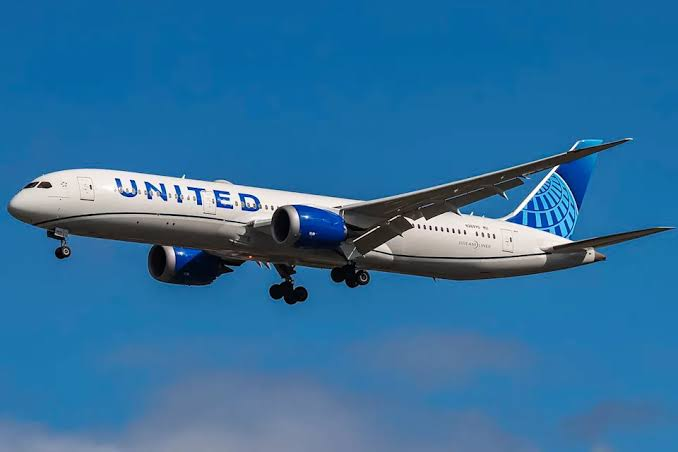
The United Airlines Yihsing Tien lawsuit has become a topic of interest among travelers, legal observers, and people who closely follow aviation-related news. Whenever a lawsuit involves a major airline, it naturally raises questions about passenger rights, airline responsibilities, and how legal disputes are handled in the aviation industry. In this case, many people searching online are trying to understand what happened, who was involved, and whether the lawsuit has broader implications for airline customers.
Public lawsuits involving airlines often receive significant media coverage because they can influence public perception and sometimes lead to policy discussions within the travel industry. However, not every lawsuit results in major legal changes or establishes a new legal precedent. Some cases remain private, while others are resolved through settlements or court proceedings that receive limited public attention.
This article explores the available public information surrounding the United Airlines Yihsing Tien lawsuit, explains the legal context behind disputes involving commercial airlines, and discusses why cases like this attract widespread interest. Rather than relying on speculation, it is important to focus on verified information and understand how civil litigation typically works.
Understanding the Background of the United Airlines Yihsing Tien Lawsuit
The phrase United Airlines Yihsing Tien lawsuit refers to a legal dispute that has generated online searches because it involves one of the world’s largest commercial airlines alongside an individual plaintiff named Yihsing Tien. While many internet users expect dramatic courtroom stories, public information about the case remains relatively limited compared to other highly publicized airline lawsuits.
Like many civil legal disputes, the lawsuit primarily concerns legal claims that were brought before the court for evaluation. Civil lawsuits do not automatically imply wrongdoing by either party. Instead, they provide a formal legal process in which evidence is presented and legal arguments are considered before a judge or jury, or before the matter is otherwise resolved.
Because court proceedings can be lengthy and complex, many cases go through multiple procedural stages before reaching a conclusion. During this time, details may remain incomplete or unavailable to the public, making it important to avoid assumptions based solely on headlines or social media discussions.
Why Lawsuits Against Major Airlines Receive So Much Attention
Large airlines such as United Airlines transport millions of passengers every year. As a result, even a small number of legal disputes can attract considerable media coverage because of the company’s size and public visibility.
Travelers often pay close attention to lawsuits involving airlines because they hope to better understand their own rights when flying. Questions involving customer service, passenger treatment, safety, contractual obligations, delays, baggage handling, or operational decisions frequently become subjects of legal claims across the aviation industry.
Another reason these lawsuits receive attention is that airlines operate within a highly regulated environment. Federal aviation regulations, transportation laws, consumer protection rules, and international agreements all influence how disputes are handled. This legal complexity makes aviation litigation particularly interesting for legal professionals and industry analysts.
What Civil Lawsuits Typically Involve
Understanding the United Airlines Yihsing Tien lawsuit becomes easier when viewed within the broader framework of civil litigation. A civil lawsuit is different from a criminal case because its purpose is generally to resolve disputes between parties rather than determine criminal guilt.
The plaintiff files legal claims alleging that certain actions caused harm or violated legal rights. The defendant—in this case, the airline—has an opportunity to respond to those allegations, challenge the claims, and present evidence supporting its position.
Throughout the legal process, both sides may exchange evidence during discovery, file motions, negotiate possible settlements, or proceed toward trial if no agreement is reached. Many civil lawsuits never actually go before a jury because they are resolved before reaching that stage.
Passenger Rights and Airline Responsibilities
Whenever an airline faces legal action, public interest often centers on passenger rights. Airlines have contractual obligations toward customers through their conditions of carriage, which outline both passenger rights and airline responsibilities.
Passengers also benefit from various consumer protection laws depending on where they travel. Domestic and international flights may be governed by different legal standards, particularly when international treaties apply to baggage claims, delays, or personal injury matters.
At the same time, airlines must balance customer service with operational safety. Flight crews and airline personnel regularly make decisions based on weather conditions, security concerns, maintenance requirements, and federal regulations. Courts evaluating airline disputes often consider these operational realities alongside the specific facts of an individual case.
The Importance of Verified Information
One challenge surrounding the United Airlines Yihsing Tien lawsuit is that online discussions sometimes include incomplete or inaccurate information. Search trends often spread much faster than verified court records, leading readers to encounter conflicting accounts.
Responsible reporting requires distinguishing between publicly documented legal filings and unsupported internet speculation. Court documents, official statements, and reputable news organizations generally provide the most reliable information regarding ongoing legal matters.
It is also worth remembering that allegations contained within a lawsuit represent one party’s legal claims. They are not findings of fact until examined through the legal process. Likewise, defendants have the opportunity to present their own responses and defenses before any conclusions are reached.
How Airline Litigation Can Affect the Industry
Individual lawsuits do not always change airline policies, but some cases can influence broader discussions within the aviation sector. When courts clarify legal standards or when companies voluntarily update procedures after litigation, those changes may improve operational practices across the industry.
Airlines continuously review customer service procedures, employee training, safety protocols, and complaint resolution systems. Legal disputes occasionally highlight areas where improvements may reduce future conflicts or misunderstandings.
The aviation industry also learns from patterns rather than isolated incidents. Regulatory agencies, airlines, and industry organizations often examine recurring issues to determine whether procedural updates or policy revisions are appropriate.
Public Interest Versus Legal Reality
Many online users searching for the United Airlines Yihsing Tien lawsuit expect to find a dramatic legal battle with immediate conclusions. In reality, most civil litigation unfolds gradually and involves detailed legal procedures that receive little public attention.
Court filings, procedural motions, scheduling orders, discovery disputes, and settlement discussions can continue for months or even years before a case reaches a final outcome. This slower legal process contrasts sharply with the rapid pace of internet news cycles.
Additionally, not every lawsuit results in a courtroom verdict. Confidential settlements, voluntary dismissals, or negotiated agreements often conclude civil disputes without a full public trial. Consequently, public information may remain limited even after a case has technically ended.
Lessons Travelers Can Learn from Cases Like This
Although each lawsuit involves unique facts, airline-related disputes remind travelers of the importance of understanding their rights before flying. Reading airline policies, keeping travel documentation, and maintaining records of important communications can prove helpful if unexpected issues arise.
Travel insurance may also provide valuable protection in situations involving delays, cancellations, medical emergencies, or lost baggage. While insurance cannot prevent travel disruptions, it can reduce financial uncertainty during unforeseen circumstances.
Passengers should also communicate concerns directly with airline representatives whenever possible. Many issues can be resolved through customer service channels before escalating into formal legal disputes. Maintaining clear documentation of conversations, receipts, and correspondence can be beneficial if further action becomes necessary.
Conclusion
The United Airlines Yihsing Tien lawsuit has attracted attention because it combines public curiosity about airline litigation with the involvement of a globally recognized airline. While publicly available information about the specific legal dispute remains limited, the case serves as an example of how civil litigation functions within the highly regulated aviation industry.
Rather than drawing conclusions from incomplete online discussions, readers should rely on verified court records and reputable reporting when following ongoing legal matters. Civil lawsuits represent a legal process designed to evaluate claims fairly, allowing both plaintiffs and defendants to present evidence and legal arguments.
Ultimately, cases involving major airlines remind travelers that aviation operates within a detailed legal framework balancing passenger rights, operational responsibilities, safety requirements, and contractual obligations. Whether or not an individual lawsuit leads to significant industry changes, it reinforces the importance of transparency, accountability, and careful legal review in one of the world’s most essential transportation sectors.