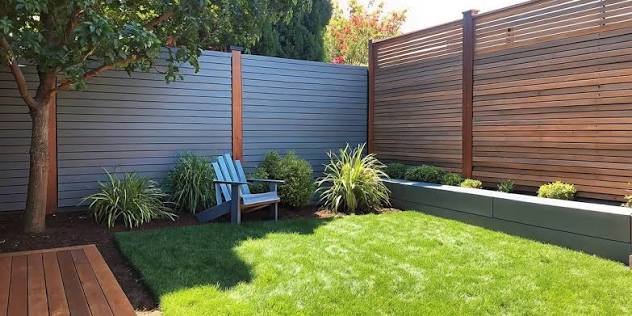
A garden fence has a simple job on paper: define a boundary, provide privacy, and make the outdoor space feel finished. In practice, it also has to withstand rain, wind, frost, sunlight, soil moisture, and the occasional knock from everyday garden life. That is why the phrase weather resistant should be understood as more than a marketing description. It points to how well a fence panel holds its shape, surface finish, fixings, and structural role after years of seasonal change.
For homeowners, landlords, landscape designers, and trade installers, choosing the right panels is usually a balance between durability, appearance, budget, and maintenance. Timber remains familiar and widely available, but it can demand regular staining, painting, and repair. Metal may be strong but can feel too industrial for some gardens. Composite fencing has become a common alternative because it is designed to combine the look of wood with the resilience of plastic-based materials. As one example, eComposite Products offers composite fencing options positioned around weather performance, recycled content, low maintenance, and installation flexibility, which makes its range a relevant reference point when comparing weather resistant fence panels for long-term outdoor use.
What Weather Resistance Really Means
Weather resistance is not a single feature. A panel might resist moisture well but fade quickly in strong sun, or it might look good for several seasons while struggling in exposed wind. A sensible assessment looks at several types of performance together: resistance to water absorption, rot, warping, mould, UV fading, wind pressure, impact, and routine wear.
In the UK, fence panels often face frequent rain, damp winters, variable summer heat, and strong gusts. A panel that performs well in those conditions should not swell dramatically after wet weather, twist as it dries, or need constant surface treatment to remain serviceable. It should also be supported by posts and fixings that suit the site. Even a high-quality panel can underperform if it is installed in weak posts, fitted without allowance for movement, or placed in a highly exposed position without appropriate reinforcement.
The Role of Material Choice
Material is the starting point for weather performance. Traditional timber can be attractive, repairable, and cost-effective, especially when properly treated. However, timber is organic, so it naturally reacts to moisture and temperature. Over time it may split, cup, rot, attract insects, or lose its finish unless it is maintained consistently. Pressure treatment and good installation help, but timber still asks for ongoing care.
Composite fence panels are typically made from a blend of wood fibres and recycled plastic. The wood component helps create a more natural appearance, while the plastic component helps reduce moisture uptake and decay. This composition is one reason composite fencing is often marketed as resistant to rot, splintering, warping, mould, and fading. Buyers should still read product details carefully, because not all composites use the same formulation, board thickness, surface finish, or warranty terms.
Aluminium and steel systems can also offer strong weather resistance, particularly when powder-coated or galvanised. They are often chosen for modern designs, gates, security applications, or exposed sites. The trade-off is usually aesthetic and cost: some homeowners prefer the softer look of woodgrain composite, while others like the sharper profile of metal fencing.
Wind, Moisture, and UV Exposure
The best fence choice depends heavily on the site. A sheltered suburban garden has different needs from a coastal property, a hilltop boundary, or a long run across an open plot. Wind is especially important because panels act like sails. The taller and more solid the panel, the more force it can place on posts, gravel boards, and fixings. When a supplier publishes wind-resistance guidance or test-based ratings, treat that information as useful but still consider local exposure, soil conditions, post spacing, and professional installation advice.
Moisture matters in a different way. Fence panels close to planting beds, lawns, or poorly drained ground may stay damp for long periods. In those settings, rot resistance and low water absorption become more valuable. Composite panels can reduce some common timber problems because they are not wholly organic, but they should still be installed with suitable clearances, drainage, and compatible posts.
Sunlight is another factor. UV exposure can fade or weaken some surfaces over time. A weather-resistant panel should have a finish designed to retain colour reasonably well, though all outdoor materials can change as they age. It is worth comparing samples in natural light before committing, particularly for grey, oak, charcoal, or darker finishes that may look different across seasons.
Maintenance and Whole-Life Value
Initial price is only part of the cost of a fence. A cheaper panel can become expensive if it needs frequent staining, replacement boards, repairs after storms, or labour-intensive upkeep. Weather-resistant materials often justify their cost by reducing maintenance over the life of the installation.
Composite fencing is attractive in this respect because it usually does not need painting or staining. Occasional cleaning may still be needed to remove dirt, algae, or surface marks, but routine upkeep is generally simpler than with timber. For landlords or commercial sites, this can be particularly valuable because maintenance visits carry labour and access costs. For homeowners, the benefit is more personal: less time repainting panels and more confidence that the boundary will keep looking orderly.
Appearance, Compatibility, and Installation
Durability should not be separated from design. Fence panels form a large visual surface in a garden, so colour, texture, height, and board orientation matter. Composite systems commonly offer woodgrain or sanded finishes, several neutral colours, and matching posts, gates, or trellis toppers. This helps the fence feel planned rather than merely functional.
Compatibility is also practical. Some replacement systems are designed to slot into existing concrete posts, which can reduce disruption when upgrading from old timber panels. Others use aluminium or composite posts for a complete new installation. Before buying, measure the existing bays, check post condition, confirm panel height, and understand whether boards can be trimmed on site. Installers should also check manufacturer guidance for expansion gaps, fixing methods, and maximum supported spans.
Questions to Ask Before Buying
Before choosing a fence panel, ask what the product is made from, how it performs in wet and windy conditions, and what maintenance the supplier recommends. Check whether the warranty is clear and whether it covers structural failure, surface finish, or only manufacturing defects. Look for installation instructions that are specific rather than vague, because clear guidance is often a sign that the system has been designed as a complete boundary solution.
It is also sensible to request samples where available. Samples help you judge colour, texture, weight, and finish in the actual garden. For larger projects, compare more than one product range and consider whether a heavier-duty option is justified by the site exposure. A fence on a calm patio boundary may not need the same specification as one facing open countryside.
Conclusion
Weather-resistant fencing is about long-term performance, not just surviving the next storm. The right panels should suit the site, resist common forms of outdoor deterioration, work with reliable posts and fixings, and maintain an appearance that fits the garden. Composite fencing is a strong option for many projects because it reduces several maintenance burdens associated with timber while offering a familiar wood-style finish. The best choice is the one that matches exposure, installation conditions, and whole-life value, with product claims checked against clear specifications and practical site realities.