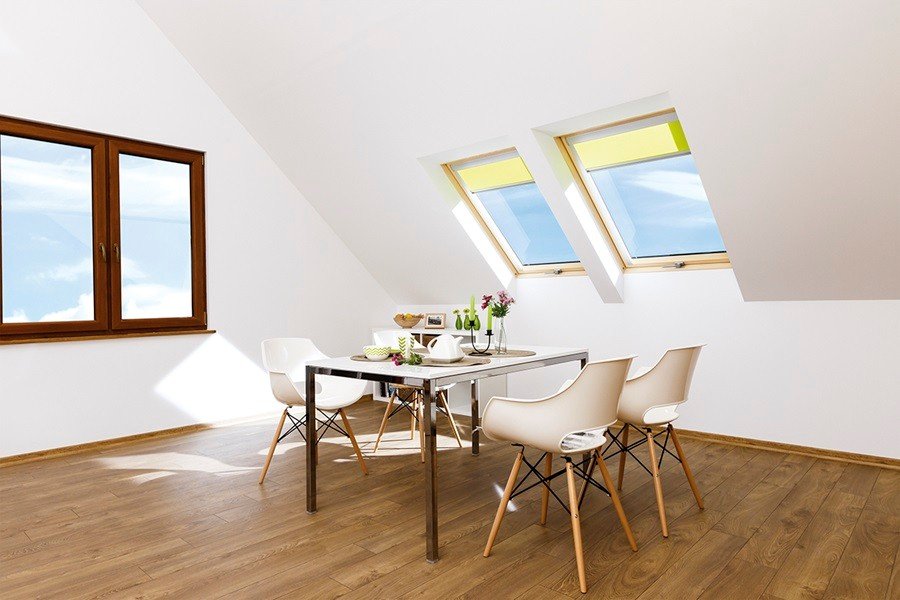
A loft can be one of the most comfortable places in a home. It is bright, private and full of character, but its comfort depends on more than furniture, colours or daylight. Sound matters just as much. Rain on glass, strong wind, traffic or neighbours’ activity can quickly turn a peaceful room into a tiring one. That is why modern roof windows should be treated not only as a source of natural light, but also as part of acoustic comfort.
When choosing windows for a loft bedroom, studio or home office, it is worth looking at design, energy performance and acoustic insulation together. Different roof window solutions can be explored at https://www.fakro.co.uk/roof_windows/, including models designed for various interiors and roof structures.
Why is noise stronger in a loft?
A loft sits directly under the roof, so it is more exposed to external sounds than rooms on lower floors. Roof windows are installed at an angle, which means rain, hail, and wind can be heard more clearly than through a vertical window. If the property is close to a busy road, railway line or lively neighbourhood, the problem becomes even more noticeable.
3 reasons to care about quiet in the loft
- Better sleep hygiene. A bedroom under the roof can feel cosy, but only if it supports real rest. At night, noise reduction is especially important, because even short, repetitive sounds may disturb the sleep cycle.
- More comfortable home office work. Many people use the loft as a workspace because it is separate from the main living area. Better acoustic performance helps during video calls, writing and tasks that require concentration.
- More freedom in room design. A quiet loft can become a child’s room, guest bedroom, creative studio, library or relaxation area. When sound is better controlled, the space becomes easier to adapt.
What supports acoustic comfort?
Acoustic insulation does not depend on a single element. In roof windows, the final effect is usually built by several details working together:
- The type and quality of glazing
- The tightness of seals
- The structure of the frame
- Correct installation on the roof
- Insulation around the window opening
A standard roof window provides daylight, ventilation and weather protection. A window designed with stronger acoustic performance goes further. With weaker sound protection, rainfall may dominate the room, and street noise can feel intrusive. With better acoustic performance, the same sounds become softer and less distracting. The goal is not complete silence, but a clear improvement in comfort.
What to check before choosing roof windows?
Before making a decision, think about how the loft will be used. A guest room may have different needs from a bedroom used every night. A home office used for calls and focused work will usually need more attention to sound control.
It is worth checking:
- How noisy is the area around the house
- Whether the room will be used for sleep, work, or relaxation
- What type of roof construction you have
- How the window will be installed and insulated
A rural home may mainly need protection from weather noise, while a city property may require stronger protection from traffic and people outside. Even a good window will not perform properly if it is poorly fitted.
Quiet as part of modern comfort
For many years, window choice was mostly about light, heat, and appearance. Today, comfort has a wider meaning. A home should help people recover after a long day, work without distraction, take calls with confidence, and sleep peacefully.
Modern roof windows can brighten a room, support ventilation, and create a calmer atmosphere. The same loft may be a home office in the morning, a study area in the afternoon, and a bedroom in the evening.
Quiet is not a luxury reserved for homes far away from the city. It is the result of thoughtful choices. When planning a loft, it is worth thinking not only about the view and daylight, but also about the sounds that enter the room every day.